

Quick Answer
If you employ fewer than 250 people, the government pays 95 percent of apprentice training costs and that climbs to 100 percent for under-25s from August 2026. CITB stacks another £6,000 to £11,000 in attendance and completion grants on top, paid in cash to your bank account. From October 2026, you also get a £2,000 incentive for taking on any new 16-24 year old apprentice. Most trades firms leave this money on the table because the paperwork looks scarier than it actually is.
Table of Contents
- The big picture: what the funding pot actually looks like
- The Growth and Skills Levy explained for SMEs
- CITB apprenticeship grants: the cash-on-top scheme
- Skills Bootcamps: the 16-week shortcut to job-ready hires
- The £1,000 and £2,000 employer incentive payments
- How funding differs in Wales, Scotland and Northern Ireland
- A worked example: the true cost of an apprentice plumber
- Using AI to screen CVs and find the right apprentice faster
- How to actually claim the money: step by step
- What tradespeople are saying
- Recommended videos
- Frequently asked questions
- My take
The big picture: what the funding pot actually looks like
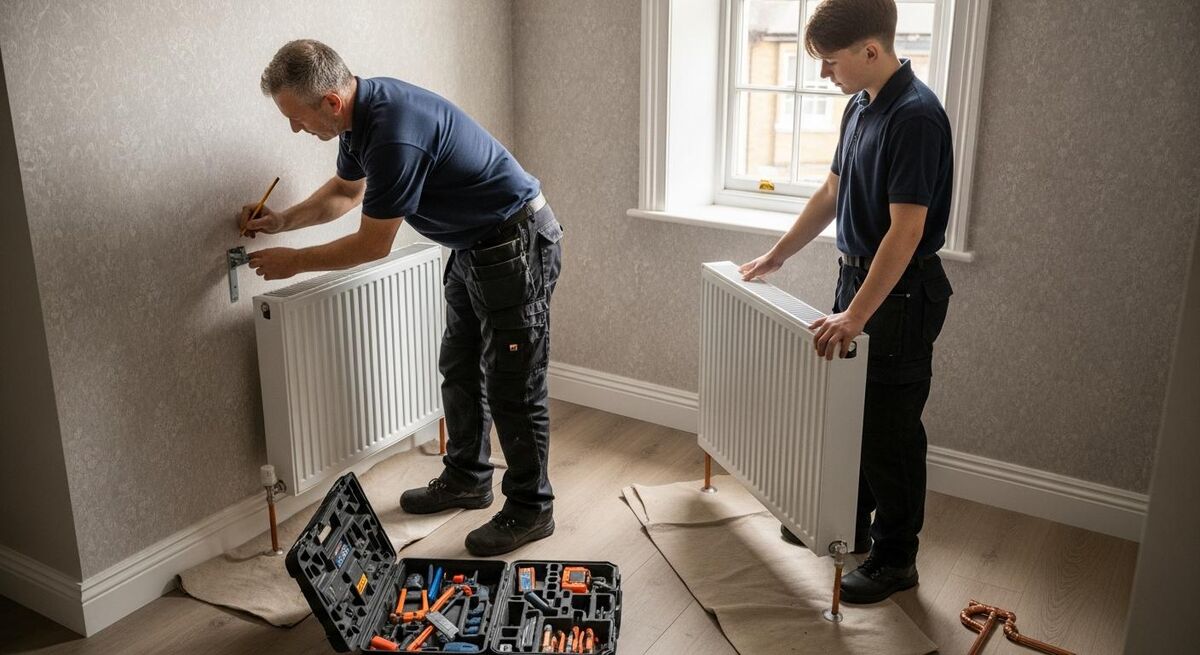
Apprentice funding in the UK is generous, fragmented, and badly explained. I'll cut through it. If you run a small or medium trades business, three pots of public money are open to you: the apprenticeship training subsidy (administered through what is now the Growth and Skills Levy), CITB grants for construction-related trades, and Skills Bootcamps for short, focused training. On top of those, the government pays cash incentives for taking on younger apprentices, and individual nations top up with their own schemes.
The combined value is far higher than most firms realise. A 3-year electrical apprentice on a £19,000 funding band, hired from the 2026/27 academic year, can have 100 percent of the training paid for, plus £11,000 in CITB grants, plus the £2,000 employer incentive, plus zero employer National Insurance. That's over £30,000 of public support against a wage bill the apprentice helps you earn back through chargeable work from month one.
For a non-levy paying employer hiring a young apprentice in 2026/27: 100 percent of training paid (up to the funding band cap, typically £15k-£27k), £2,500 per year CITB attendance grant, £3,500 CITB achievement grant on completion, £2,000 government incentive (new from Oct 2026), £1,000 additional support payment for under-19s, plus zero employer National Insurance on earnings up to £50,270.
Compare that to what you'd pay for a fully qualified trade hire and the maths gets interesting fast. The catch isn't the money. The catch is the paperwork and the time you put in mentoring someone who can't yet do the job. That's a real cost. But the funding is real too, and most firms walk past it. If you want the wider context on why the UK pipeline is so thin, our piece on the apprenticeship crisis in UK trades is the place to start.
The Growth and Skills Levy explained for SMEs
The Apprenticeship Levy is being replaced by the Growth and Skills Levy from April 2026. If you have a pay bill under £3 million, you don't pay the levy and you never have. That hasn't changed. What's changed is what the levy money funds and how it gets to you.
Here's what you actually need to know as a non-levy payer:
- From August 2026: training is 100 percent funded for all apprentices under 25 at non-levy paying businesses. Currently it's 95 percent funded and you pay the remaining 5 percent.
- From October 2026: you can claim a £2,000 cash incentive when you recruit a new 16-24 year old apprentice. Paid after the apprentice completes their first 90 days.
- Funding bands: each apprenticeship standard sits in a band between £1,500 and £27,000 over the full duration. Domestic electrician sits at £19,000. Installation and maintenance electrician sits at £23,000. Plumbing and domestic heating engineer sits at £21,000.
- Levy transfers: large employers can now transfer up to 50 percent of their unspent levy to smaller firms. If you find a pledging employer in your area, your 5 percent contribution can be covered too.
Funding will be withdrawn from 16 apprenticeship standards in September 2026, and Level 7 (masters-equivalent) apprenticeships will no longer be funded through the levy for anyone aged 22 or over. None of the core trades standards (electrical, plumbing, gas, heating, joinery, bricklaying) are affected. The cuts target standards that don't align with the industrial strategy. Check the gov.uk funding rules for 2026/27 before committing to anything niche.
CITB apprenticeship grants: the cash-on-top scheme

If you're a registered CITB employer (and almost every construction-sector firm with a payroll over £135k should be), there's a second pot of money sitting on top of the government training subsidy. CITB grants are paid in cash, directly to your business bank account, and they're unaffected by the wider funding changes happening in 2026.
The current rates for an approved construction apprenticeship:
- £2,500 per year attendance grant for the full duration of the apprenticeship. Paid every 13 weeks once you confirm the apprentice is still in training and employed.
- £3,500 achievement grant on successful completion of any apprenticeship that takes 12 months or more.
- Maximum £11,000 total across a typical 3-year construction apprenticeship in England, paid into your bank.
- Wales: CITB-registered firms (including non-levy payers) can claim the same £11,000 on a 3-year Welsh Government apprenticeship.
- Scotland: equivalent grants apply alongside Skills Development Scotland Modern Apprenticeship contributions, which range from £300 to £10,300 depending on framework.
The grant is conditional on you completing CITB's quarterly attendance confirmation form within three months of it being sent. Miss the deadline and the payment stops. Set a recurring calendar reminder the day you sign your first apprentice and you'll never lose a penny.
CITB rewrote a lot of grants from 8 January 2026, mostly tightening short-course funding and removing attendance grants for longer NVQ qualifications. Apprenticeship grants were specifically protected. The £2,500 attendance and £3,500 achievement amounts are unchanged. If anyone tells you otherwise, they're confusing apprenticeship grants with the NVQ grant cuts.
Skills Bootcamps: the 16-week shortcut to job-ready hires
Skills Bootcamps are the bit of the system most trades firms ignore, and that's a mistake. They're free, government-funded courses of up to 16 weeks aimed at adults looking to retrain. For construction, the typical Bootcamp covers basic multi-trade skills (bricklaying, plastering, carpentry, painting), CSCS card prep, and the CITB Health, Safety and Environment test. For a deeper rundown specifically on Bootcamps and CITB grants in combination, see our complete guide to funded training for UK trades.
Here's why they matter to you as an employer:
- You get free recruitment. Every Bootcamp ends with a guaranteed job interview slot. There's no cost to you to take on someone who's just finished one, and you skip the cost of advertising and screening unproven candidates.
- They count as prior learning. Hiring a Bootcamp graduate as an apprentice can shorten the apprenticeship by months, because they've already covered foundational H&S and trade skills. That cuts both your training time and the wages you'll pay before they're productive.
- You can use them to upskill existing staff. If you put a current employee through a Bootcamp, you contribute 10 percent of the cost (for SMEs with 1-249 employees) and the government covers 90 percent.
- Construction completion rates are strong. 83 percent of construction Skills Bootcamp learners complete the course, against an overall average of 71 percent. The model works for trades because it's hands-on, short, and tied to a real job at the end.
I'll be honest: the quality varies by provider and region. Some Bootcamps churn out people with a CSCS card and not much else, others run intensive trade training with installer partnerships. Before you recruit a Bootcamp graduate, ask which provider they trained with and what the practical assessment looked like. If they can describe specific tools and techniques without prompting, you're probably looking at a serious candidate.
The £1,000 and £2,000 employer incentive payments

On top of training subsidies and CITB grants, there are two cash incentive payments that go straight to your business for taking on certain apprentices.
The £1,000 additional support payment (current)
You get £1,000 paid in two instalments (£500 at 90 days, £500 at 365 days) when you hire an apprentice who is either:
- Aged 16 to 18 at the start of the apprenticeship
- Aged 19 to 24 with an Education, Health and Care (EHC) plan
- Aged 19 to 24 and previously in local authority care
The money is intended to help with the additional cost of supporting younger or vulnerable apprentices, but there's no requirement to spend it on anything specific. Use it for tools, PPE, training time, or just to offset the productivity drag of a first-year hire.
The £2,000 employer incentive (from October 2026)
This is the bigger and newer one. For any apprentice aged 16-24 who starts at a non-levy paying business from 1 October 2026, you'll be able to claim £2,000 once they've completed their first 90 days. There's no requirement for an EHC plan or care background, no age cap below 25, and no requirement for the apprenticeship to be construction-specific.
That's a meaningful number. If you're already planning to take on an apprentice in summer 2026, it's worth asking your training provider whether the start date can be pushed into October to qualify.
How funding differs in Wales, Scotland and Northern Ireland
Apprenticeship funding is devolved, so what you can claim depends on where the apprentice lives and works. The big-picture differences:
- England: Growth and Skills Levy (replacing Apprenticeship Levy from April 2026), 95-100 percent training subsidy via DfE, plus CITB grants for construction trades, plus the £1,000 / £2,000 incentives.
- Wales: apprenticeship training is 100 percent funded by the Welsh Government for all employers (no co-investment, no levy mechanism). You only pay wages. CITB still applies on top, so a 3-year Welsh apprenticeship can deliver up to £11,000 in CITB grants. Apprenticeship places are allocated on a first-come basis though, so it pays to engage your training provider early.
- Scotland: Modern Apprenticeships are funded by Skills Development Scotland. Contributions range from £300 to £10,300 depending on the framework, paid to the training provider. The Scottish Government opened a comprehensive review of contribution rates in 2026, so expect some changes from late this year onwards.
- Northern Ireland: ApprenticeshipsNI funds training in full for under-25s and provides ongoing employer support. There's no separate CITB grant scheme in NI since CITB-NI was wound down.
Funding eligibility follows the apprentice's home address, not your business address. A Welsh apprentice working for an English firm goes through the Welsh system. An English apprentice working at a Cardiff site goes through the English system. If you operate across borders, this matters for how you set up the contract.
A worked example: the true cost of an apprentice plumber
Let's run real numbers on a 3-year plumbing and domestic heating engineer apprentice, starting in August 2026 at age 18, at a CITB-registered SME in England.
Apprentice wages over 3 years:
- Year 1: National Minimum Wage for apprentices, £8/hour from April 2026. At 37.5 hours/week, that's £15,600 gross.
- Year 2: typically rises to the under-21 NMW rate, around £10/hour. £19,500 gross.
- Year 3: under-21 NMW continues, £19,500 gross.
- Total wages over 3 years: ~£54,600
Then add employer pension (3 percent) at around £1,650 over the term. National Insurance is zero because they're under 25 and earning under £50,270.
Training cost to you:
- Training subsidy: 100 percent funded by DfE because the apprentice is under 25 and you're an SME. You pay £0.
Money coming back in:
- £2,000 employer incentive (new from October 2026)
- £1,000 additional support payment for under-19s, paid in two halves
- £2,500 CITB attendance grant per year x 3 = £7,500
- £3,500 CITB achievement grant on completion
- Total grants and incentives: £14,000
The net position: roughly £56,250 in total wages and pension, against £14,000 of grants, gives you an effective labour cost of about £42,250 over 3 years, or £14,083 per year. That's for someone who is chargeable from month 6 onwards and who's typically being paid 70-100 percent of their cost back in productive output by year 2.
Most trades firms I talk to find their apprentices break even somewhere in month 9 to month 14. If you can keep a good first-year apprentice through to completion, the second and third years are close to profitable labour. The whole financial argument hinges on retention, not on whether the funding exists.
Using AI to screen CVs and find the right apprentice faster

Most trades firms still recruit apprentices by stacking the CVs on the desk and working through them at the end of a long day. That's why the wrong people get hired, and it's why so few firms bother to advertise at all. AI changes the maths here.
You don't need anything fancy. A standard ChatGPT, Claude, or Gemini subscription will do most of what you need. The workflow that works well for trades:
- Define what you actually want. Write a one-paragraph description of the ideal candidate. For an apprentice plumber, that might be: "16-22 years old, lives within 30 minutes of LS6, has done some practical work (Saturday job, family trade, school workshop), shows up reliably, can have a sensible conversation with a customer." Stick this in the AI as a prompt.
- Paste the CVs in batches. 5-10 at a time, with the prompt: "Score each of these CVs from 1-10 against this candidate profile. Give me one sentence on each, then rank them. Flag anyone who looks unreliable or who's wildly overqualified."
- Look at the scoring logic, not just the score. The AI will sometimes get it wrong because a CV understates someone (lots of teenagers haven't learned to sell themselves on paper). The reasoning column tells you where to push back.
- Interview the top 5, not the top 1. AI is good at filtering out the obvious nos, less good at picking the standout. Save the human judgement for the shortlist.
For a firm hiring its first apprentice from 30 applications, AI screening saves about half a day. For a firm hiring three apprentices a year, the savings stack up. There are dedicated tools too (Marxel and Pinpoint are UK-based and GDPR-aware) but for most trades firms a chatbot subscription you already pay for will do the job. If you want a deeper walk-through, we've written about using AI to write apprentice job adverts and how to write trade job adverts that actually attract decent candidates.
How to actually claim the money: step by step
The single biggest reason trades firms miss out on apprentice funding is that the application steps look more daunting than they are. They're really not. Here's the order:
Step 1: Pick a training provider
Go to find-apprenticeship-training.apprenticeships.education.gov.uk, search by trade and postcode, and look at the employer ratings. JTL dominates electrical and plumbing apprenticeships in England, the FE colleges run most others. The training provider handles 90 percent of the paperwork. Pick someone you can phone.
Step 2: Register on the apprenticeship service
Go to gov.uk/employing-an-apprentice/get-funding and create an apprenticeship service account. You'll need your Government Gateway login, your PAYE reference, and your Accounts Office reference. This takes about 20 minutes. Your training provider can walk you through it.
Step 3: Register with CITB (if construction)
If your annual wage bill is over £135,000 you're legally required to register with CITB. If you're under that threshold you can still register voluntarily, and you should, because that's how you access the grant scheme. Registration is at citb.co.uk.
Step 4: Find an apprentice
Post the role on the apprenticeship service. Skills Bootcamp providers can match you with people too. Local colleges are surprisingly good at this. If you want to speed it up, do the AI screening workflow above on applications as they come in.
Step 5: Sign the apprenticeship agreement
This is a contract between you, the apprentice, and the training provider. The provider drafts it. Your only real decisions are start date, wage, and working hours. Keep wages above the apprentice minimum unless you've thought hard about why you're paying the floor.
Step 6: Submit grant claims as you go
CITB sends you a quarterly form to confirm attendance. Reply within 3 months. The £1,000 and £2,000 government incentives are paid automatically via your apprenticeship service account once your apprentice hits the milestone dates. The achievement grant is claimed at the end of the apprenticeship. None of this is hard. The hardest part is remembering to do it.
CITB attendance confirmation emails arrive every 13 weeks and you have 3 months to confirm. Miss the window and grant payments stop until you re-engage. The fix is a recurring calendar entry the day the apprentice starts. I've watched firms lose £2,500 to a forgotten email.
What tradespeople are saying
Recommended videos

Employers and training providers: Growth and Skills Levy recap
Department for Education (official)
Apprenticeship unit funding rules 2026 to 2027
Department for Education (official)
Apprenticeship funding rules 2025 to 2026
Department for Education (official)

How apprenticeship funding works in England: levy versus non-levy
Independent training provider

How to employ an apprentice: employer and apprentice view
UK electrical industry podcast
Accessing the Apprenticeship Levy: a step-by-step guide
Independent training provider
Frequently asked questions
Only if your annual pay bill is over £3 million. The vast majority of UK trades firms are under that threshold and pay nothing. From April 2026 the levy becomes the Growth and Skills Levy. The threshold and the 0.5 percent rate are unchanged for employers who do pay.
Yes, but you need to be set up as an employer with HMRC (PAYE registration) and have employers' liability insurance. The flexi-job apprenticeship agencies like TrAC will employ the apprentice on paper and second them to you, which simplifies the legal side for sole traders considerably.
The Apprentice National Minimum Wage is £8 per hour from April 2026 (up from £7.55). That's the floor for under-19s and for any apprentice in their first year. After their first year, an apprentice aged 19+ moves to the standard NMW for their age bracket. Most good employers pay above the minimum because the floor is low.
No, not for apprentices aged under 25 earning less than £50,270 a year. That's a 13.8 percent saving on top of everything else. For most trade apprentices it covers the cost of the 3 percent pension contribution and more.
CITB attendance grants stop. The achievement grant doesn't get paid. The £2,000 employer incentive, if you've claimed it, is yours to keep (it's paid at 90 days). You don't owe any money back for training that's already been delivered. The financial hit is mostly the lost future grant payments and the wages you've already paid against productivity that didn't materialise.
Minimum 12 months by law. Most trade apprenticeships run 3 years for electrical and plumbing (Level 3), 2 years for bricklaying and carpentry (Level 2). Skills Bootcamp prior learning can shorten this by 3-6 months in some cases.
Yes, the apprenticeship system covers existing staff, not just new hires. The £2,000 employer incentive doesn't apply to existing employees, but the training subsidy and CITB grants do. Useful for upgrading a labourer to a qualified bricklayer, or moving a domestic plumber into commercial work.
It's an agency (TrAC is the biggest in trades) that employs the apprentice on your behalf and handles the paperwork, payroll, and pastoral support. You pay a weekly fee per apprentice that wraps in their wages and admin. It's a sensible option if you don't want to be the formal employer, especially for sole traders and very small firms.
My take
I've been around apprenticeships in trades for a long time, and the 2026/27 picture is the most generous I've seen. 100 percent training cover for under-25s, a £2,000 cash incentive on top, the CITB grants unchanged, and zero employer NI. If you've been on the fence, this is the year. The single biggest cost to a small trades firm right now isn't the wage bill. It's the work you can't take on because you don't have the hands. An apprentice is the fix. Pick a reliable training provider, accept that the first nine months will be a drag, and run the numbers. They almost always make sense.
The bit that no funding scheme solves is retention. Construction completion rates dropped to 41 percent last year, and the firms that lose apprentices early are usually the ones that treated them as cheap labour rather than as a long-term hire. Pay above the minimum, give them proper training time, rotate them through different jobs, and most will stay. The funding is generous, but the real return comes from year two and three, when an apprentice you've held onto starts pulling their weight on revenue. That's where the maths lives.