
Quick Answer
The Building Safety Act 2022 is the biggest shake-up in UK building regulation since 1984. If you work on higher-risk buildings (18m+ or 7+ storeys with two or more residential units), you now have specific legal duties as a dutyholder. That means proving competence, maintaining a digital golden thread of information, and passing through three regulatory gateways before a building can be occupied. From October 2026, a new Building Safety Levy adds a per-square-metre charge on most residential developments of 10+ dwellings. Non-compliance can lead to criminal prosecution, unlimited fines, and up to two years in prison. This guide breaks down what you need to know, what it costs, and how to stay on the right side of the regulator.
Table of Contents
- What is the Building Safety Act?
- Who is affected?
- Dutyholder responsibilities for trades
- The three-gateway process
- The golden thread of information
- The Building Safety Regulator in 2026
- Cost implications for trades businesses
- The Building Safety Levy
- AI and technology in building safety
- What the industry is saying
- Recommended videos
- Frequently asked questions
- My verdict
What is the Building Safety Act?
The Building Safety Act 2022 is the UK government's direct response to the Grenfell Tower disaster in 2017 and the subsequent Hackitt Review. It received Royal Assent on 28 April 2022 and most of its provisions came into force by 6 April 2024.
The Act creates a new regulatory framework for how buildings are designed, constructed, and managed in England. It affects everyone in the construction supply chain, from clients and principal designers through to the trades on site. The core principle is straightforward: if you are involved in building work on higher-risk buildings, you now carry specific, personal legal accountability for safety.
This is not a bolt-on to existing building regulations. It is a wholesale restructure. New dutyholder roles, a three-gateway approval process, mandatory digital record-keeping, and an independent regulator with teeth. The days of passing responsibility down the chain and hoping for the best are over.
The Building Safety Act 2022 amends the Building Act 1984, the Architects Act 1997, and the Fire Safety Order 2005. It works alongside the Fire Safety (England) Regulations 2022 and upcoming Future Homes Standard changes expected from 2025 onwards. For trades, its most immediate impact is on the dutyholder regime and competence requirements.
Who is affected?
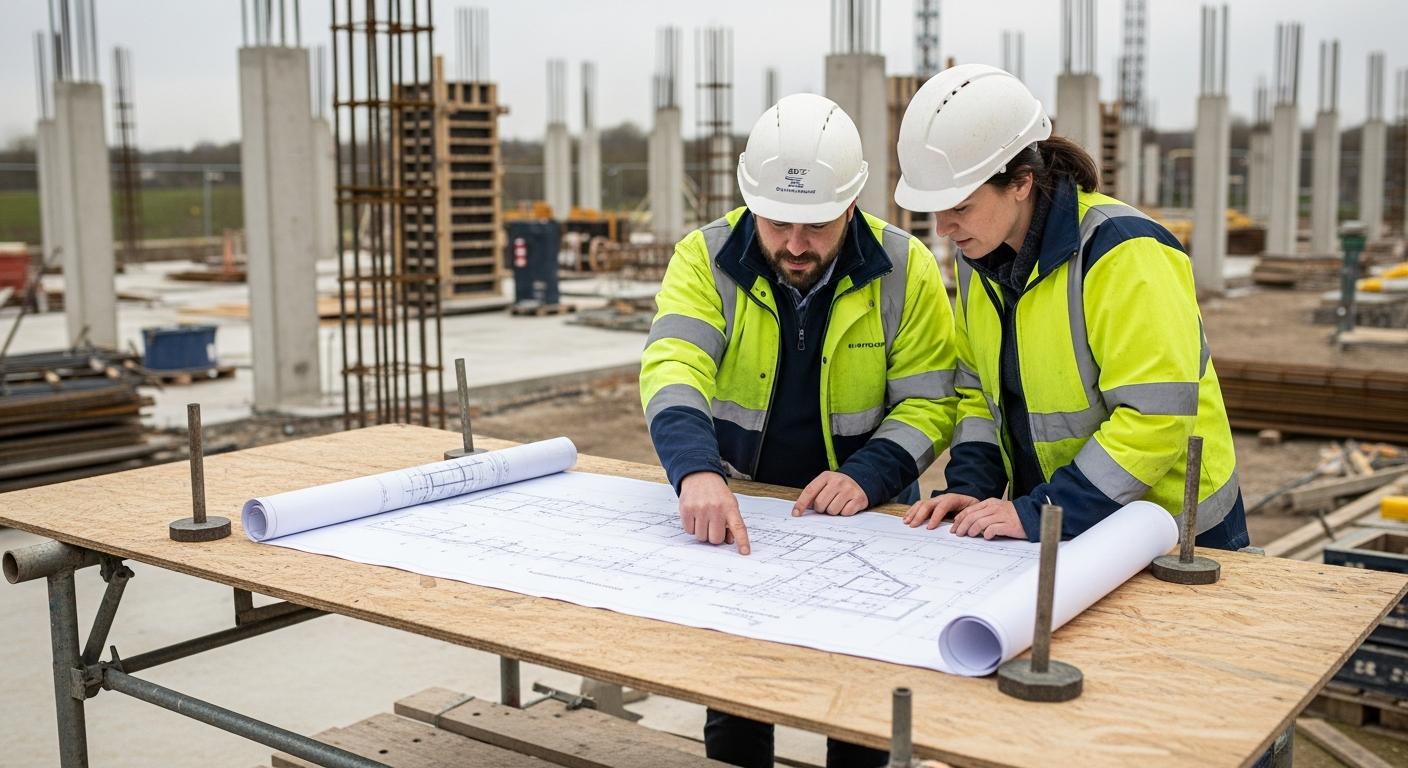
The Building Safety Act has two distinct scopes. The dutyholder regime under Part 3 applies to all building work that falls under the Building Regulations, not only higher-risk buildings. That means every project where you need building control approval. The enhanced requirements under Part 4, including the gateway process and BSR oversight, apply specifically to higher-risk buildings.
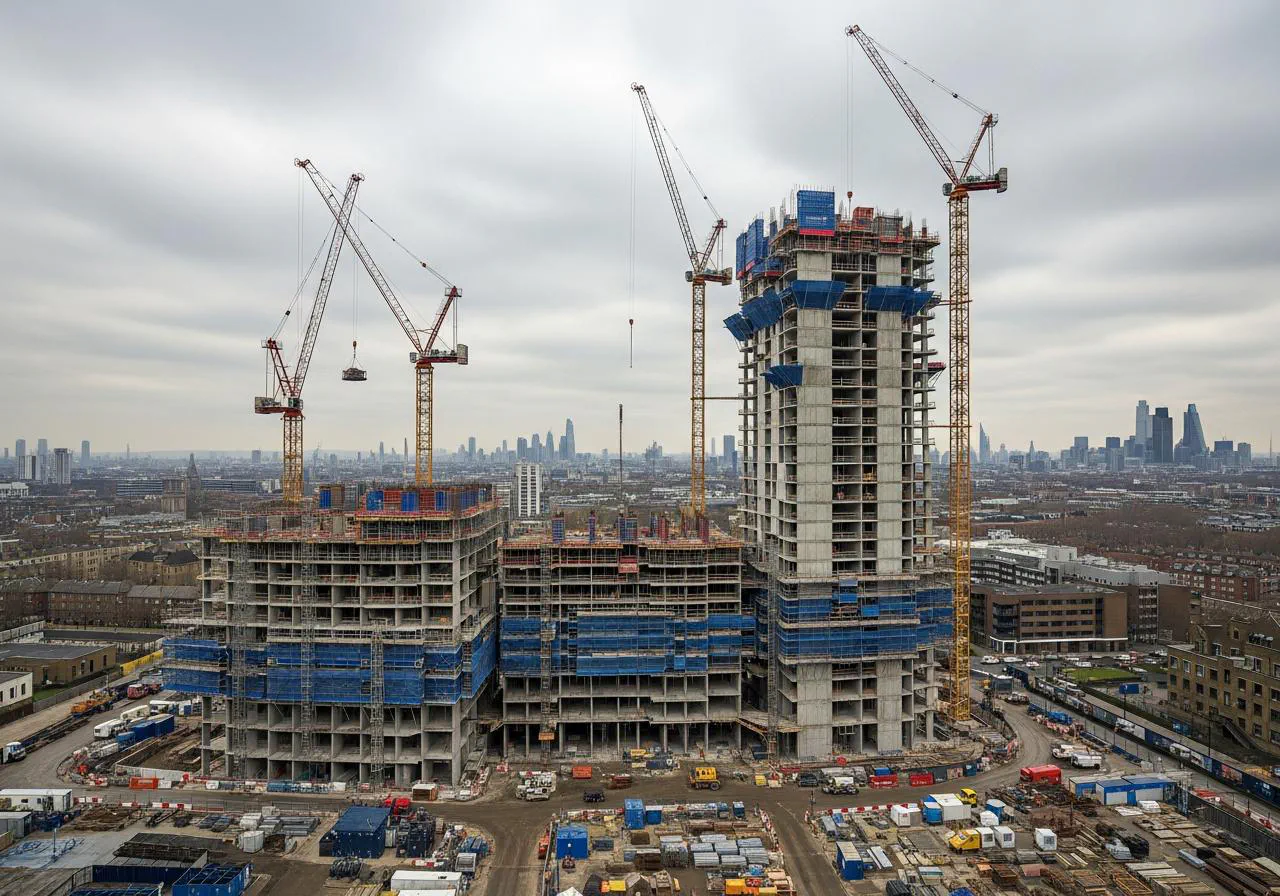
A higher-risk building is defined as a building that is at least 18 metres in height (or has at least 7 storeys) and contains at least 2 residential units. This includes blocks of flats, mixed-use developments with residential floors, student accommodation, and care homes. Hospitals and secure institutions are currently excluded from the occupied-building regime.
If you are a tradesperson working under a principal contractor on one of these buildings, you are a dutyholder. If you are acting as a sole contractor, you carry even more responsibility. If you contribute specialist design input, such as a fire protection subcontractor or a mechanical and electrical designer, the Act gives you specific duties around competence and cooperation.
A common misconception is that the Building Safety Act only matters if you work on tall residential blocks. The Part 3 dutyholder requirements apply to all building work covered by Building Regulations. If you carry out notifiable work on any project, you have duties under this Act. The enhanced BSR-led gateway process is what specifically targets higher-risk buildings.
Dutyholder responsibilities for trades
The Act introduces five named dutyholder roles during the design and construction phase: Client, Principal Designer, Principal Contractor, Designer, and Contractor. If you are a trades business, you will most commonly sit in the Contractor role, but on smaller projects you may also take on Principal Contractor duties.
Your duties as a Contractor
Plan, manage, and monitor your work so it complies with building regulations. Cooperate with the Principal Contractor and other dutyholders. Report anything that could affect compliance. Provide information for the golden thread. Ensure everyone carrying out work under your control is competent.
Competence: the SKEB framework

The Act requires that all dutyholders demonstrate they have the Skills, Knowledge, Experience, and Behaviours (SKEB) necessary for their role. For trades working on higher-risk buildings, principal contractors now routinely request enhanced CVs, evidence of formal training, valid skills cards specific to your trade, and proof of previous project experience on similar buildings.
Major contractors including Balfour Beatty, BAM, Bowmer and Kirkland, Kier, and Wates have jointly written to their supply chains making it clear that BSA compliance is not optional. If you cannot demonstrate competence, you will not get on site. That is the blunt reality.
For most trades, this means keeping your qualifications current, maintaining CPD records, holding a valid CSCS or equivalent skills card, and being able to evidence that you understand the specific safety requirements of higher-risk building work.
Complete the Building Safety section within Version 4.1 of the Common Assessment Standard (CAS). This is what most tier-one contractors now use to assess subcontractor competence. Having this completed before you tender for work on higher-risk buildings puts you ahead of firms that have not yet engaged with the process.
The three-gateway process
For higher-risk buildings, the BSR operates a structured approval process with three checkpoints. Each gateway is a hard stop. No approval, no progress.
Gateway 1: planning
Before planning permission is granted, the developer must submit a fire statement to the local planning authority. This ensures fire safety is considered from the earliest design stage. For trades, Gateway 1 has limited direct impact, but it sets the safety requirements that cascade down to your work later.
Gateway 2: before construction begins
The BSR must approve detailed plans before any building work starts on site. This is a full technical review of the building design, including fire safety and structural integrity. The BSR target is 12 weeks for review, but Lee Powell, Managing Director at Henry Boot Construction, has noted that Gateway 2 reviews now average over 30 weeks. Gateway 3 approvals have stretched from 8 weeks to over 20.
For trades, this means project start dates are less predictable than they used to be. Plan your workload accordingly.
Gateway 3: completion
Before a building can be occupied, the dutyholder must submit a completion certificate application proving the building was constructed in line with the approved design and all building regulations. The BSR checks that the golden thread is complete and accurate. If records are incomplete, certification will be refused.
Gateway 2 and 3 delays have become a significant industry concern. Extended review timescales mean longer project timelines, increased holding costs, and cashflow pressure on trades businesses waiting for approvals before work can begin or be signed off. Budget for longer project durations when pricing higher-risk building work.
The golden thread of information

The golden thread is a digital record of all safety-related information about a higher-risk building, maintained from design through construction and into occupation. It must be kept in an electronic format with version control so that every change can be traced.
For trades, this means your work generates records that feed into the golden thread. Material specifications, installation methods, test results, certificates, commissioning data, as-built drawings. The information you provide must be accurate and complete. If the principal contractor asks you for documentation, it is not optional paperwork. It is a legal requirement.
The golden thread also survives handover. When the building moves into the occupation phase, the Principal Accountable Person takes responsibility for maintaining it. But the records you created during construction remain part of that thread permanently. If something goes wrong in 10 or 20 years, your documentation will be examined.
Many smaller firms have flagged that they lack the systems for real-time digital record management. This is a genuine challenge. The industry is still working out how to manage information flow between dozens of subcontractors on a single project without creating data silos. Building Information Modelling (BIM) platforms are one answer, but adoption among smaller trades firms remains patchy.
The Building Safety Regulator in 2026
The Building Safety Regulator formally became an independent statutory body on 27 January 2026, separating from the Health and Safety Executive. It now sits under the arm's-length control of the Ministry of Housing, Communities and Local Government (MHCLG).
The BSR's role covers three areas. First, it is the building control authority for all higher-risk buildings in England. Second, it oversees the wider building control system, including registration and oversight of building inspectors and approved inspectors. Third, it promotes competence across the construction sector.
BSR charging scheme 2026-2027
The BSR publishes an annual charging scheme. Key fees for 2026-2027 include:
| Application type | Fee with application | Hourly rate (BSR staff) |
|---|---|---|
| Building control approval | £195 | £156/hr |
| Completion certificate | £234 | £156/hr |
| Regularisation certificate | £156 | £156/hr |
| Higher-risk building registration | £251 | N/A |
| Dispensation/relaxation | £116 | £156/hr |
| Decision review | £312 | £156/hr |
| Appeal | £312 | £156/hr |
Building inspector registration costs £336 for a four-year registration, with a £216 annual maintenance charge from year two. Building control approver registration costs £4,494 for five years, plus £134 per hour for assessment work and a £3,439 annual maintenance charge from year two.
The £156 per hour BSR staff rate applies on top of the base application fee. Complex higher-risk building applications that require extended review will accumulate significant charges. Factor these regulatory costs into your project pricing from the outset.
Cost implications for trades businesses

The Building Safety Act creates costs at several levels for trades businesses. Some are direct. Some are indirect but no less real.
Direct compliance costs
Training and upskilling to meet SKEB competence requirements. Expect £200 to £500 per person for formal CPD courses, fire safety training, and BSA-specific awareness programmes. Skills card renewals and assessments add £30 to £60 per person annually.
Digital systems for record-keeping and golden thread contributions. If you are not already using a digital job management platform, you will need one. Basic systems start at £20 to £50 per user per month. More sophisticated BIM-compatible platforms cost £100+ per user per month.
Constructionline or equivalent pre-qualification assessments. The CAS Building Safety assessment is becoming a prerequisite for work on higher-risk buildings. Constructionline membership starts from around £130 per year for small firms.
Indirect costs
Extended project timescales due to gateway delays. If your trades team is scheduled for a project that gets held up at Gateway 2 for 30 weeks instead of the intended 12, your cashflow takes the hit. You either hold capacity in reserve or lose the team to other work and scramble to reassemble them when approval finally comes through.
Increased documentation time. Producing and maintaining the records required for the golden thread takes time that you are not always compensated for in your contract. Industry bodies have flagged that this administrative burden falls disproportionately on smaller firms.
Insurance premiums. Professional indemnity and public liability insurance for work on higher-risk buildings has increased as insurers price in the expanded liability exposure. Expect 10 to 25% higher premiums for higher-risk building work compared to standard construction projects.
Penalties for non-compliance
The Act creates criminal offences for breaching building regulations, failing to comply with enforcement or stop notices, and providing false or misleading information. Penalties include unlimited fines and up to two years' imprisonment for the most serious offences. The BSR can also issue compliance notices and stop notices that halt work on site.
The Construction Products Reform White Paper proposes tougher sanctions for product safety breaches, including director disqualification powers. If you supply or install construction products that do not meet safety standards, the consequences are getting more severe.
The Building Safety Levy
From 1 October 2026, a new Building Safety Levy applies to most residential developments of 10 or more dwellings (or 30+ PBSA bedspaces) in England. The levy is charged per square metre of residential floor space and must be paid before a building can be completed or occupied.
The levy is designed to raise £3.4 billion over 10 years to fund the remediation of unsafe cladding and other fire safety defects on existing buildings. Rates vary by local authority area and are higher for greenfield developments than brownfield sites.
Non-profit registered providers of social housing are exempt. Developments that submitted building control applications before 1 October 2026 are not liable, which has created a rush to submit applications ahead of the deadline.
The levy is charged to the developer, not directly to trades businesses. But the cost will cascade through the supply chain. Developers facing a levy charge on top of existing costs will put downward pressure on subcontractor pricing. Understanding the levy helps you anticipate that pressure when negotiating contracts on projects that fall within its scope.
AI and technology in building safety
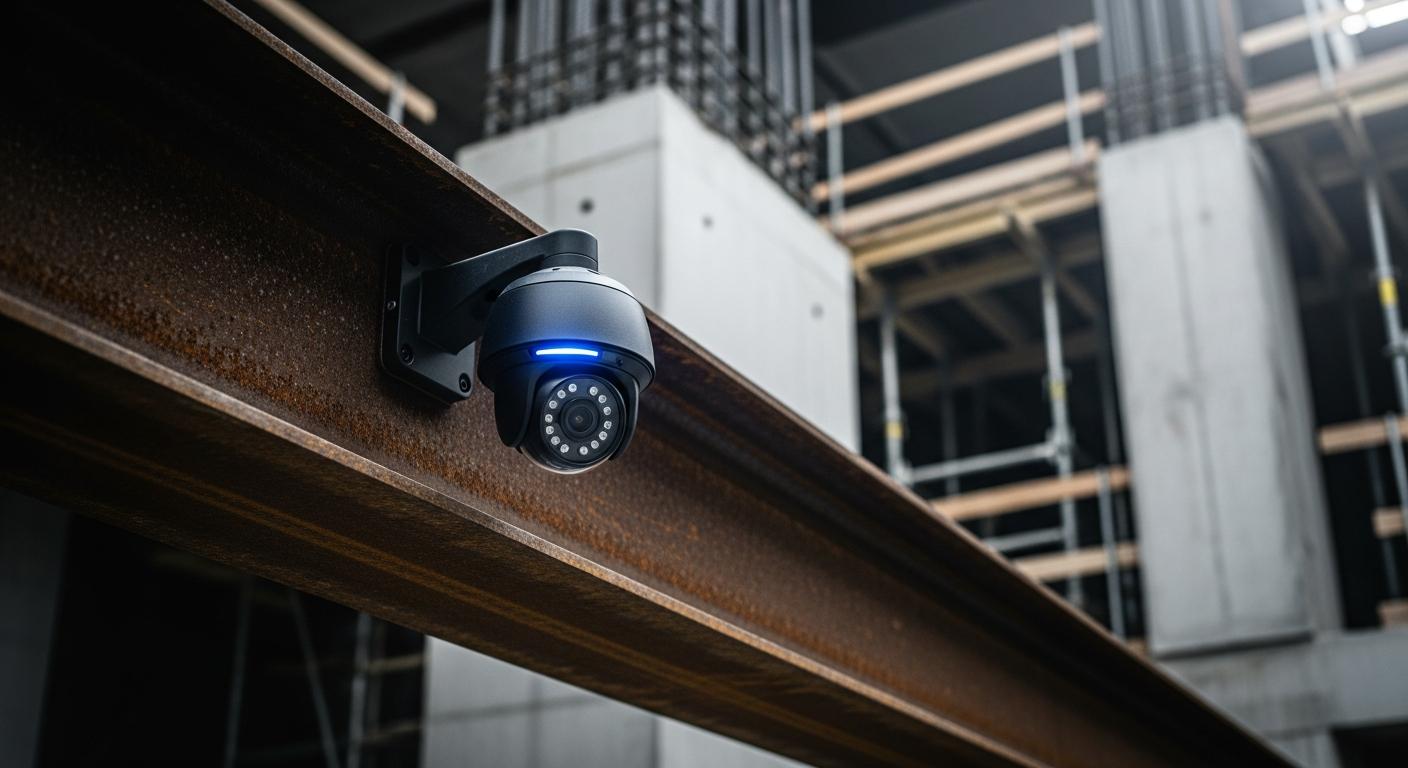
The brief for this article flagged AI hazard detection from site photos as an emerging angle, and it is worth examining. Computer vision systems that analyse site camera footage or drone imagery can now detect PPE violations, unsafe scaffold configurations, unguarded excavations, and housekeeping issues in real time.
Some companies report incident reductions of 40 to 50% after deploying AI safety monitoring. The technology works by training models on thousands of images of safe and unsafe conditions, then flagging anomalies to site managers before they become incidents. Platforms like Smartvid.io, DroneDeploy, and site-specific CCTV providers are offering these capabilities to UK construction firms.
For trades businesses, the practical question is whether your principal contractor uses these systems and what that means for you on site. If AI cameras are flagging PPE non-compliance in real time, your team needs to be consistently compliant. The technology removes the buffer of occasional site visits being the only check.
Separately, BIM and golden thread management tools are becoming more accessible. Cloud-based platforms that allow trades subcontractors to upload documentation, certificates, and as-built records directly into a project's golden thread are reducing the administrative friction. The gap between what large tier-one contractors use and what a three-person trades firm can access is narrowing, but it has not closed yet.
What the industry is saying
Recommended videos
The Building Safety Act: What Do You Need To Know?
Overview of BSA impact on construction procurement and implementation
Higher-Risk Buildings and Gateway 2
Panel discussion on navigating Gateway 2 submissions

The End of Design and Build: Key Points
What buildings are considered HRBs and the BSA implications
New High Rise Buildings Regime Webinar
BSR and Construction Leadership Council explain the regime
Golden Thread Webinar
BSR and CLC discuss golden thread information requirements
Remediation and Refurbishment of Higher-Risk Buildings
BSR guidance on major works to higher-risk buildings
Frequently asked questions
The Part 3 dutyholder duties apply to all building work under Building Regulations, including domestic work. The enhanced gateway process and BSR oversight under Part 4 specifically targets higher-risk buildings (18m+ residential). So yes, parts of the Act affect you regardless of building type.
You will struggle to get work on higher-risk buildings. Tier-one contractors are already requiring evidence of BSA competence before allowing subcontractors on site. Keep your skills cards current, complete the CAS Building Safety assessment, and maintain CPD records.
The Principal Accountable Person (PAP) is responsible for the building during occupation. They must register the building with the BSR, apply for a Building Assessment Certificate, prepare a Safety Case Report, maintain the golden thread, and develop a resident engagement strategy. This is usually the building owner or management company, not the trades who built it.
Yes. The Act creates personal criminal liability for dutyholders who breach building regulations, fail to comply with enforcement notices, or provide false or misleading information. Maximum penalties include unlimited fines and up to two years in prison. Directors can also face disqualification.
The levy launches 1 October 2026, charged per square metre on most residential developments of 10+ dwellings. It is paid by the developer, not subcontractors directly. But the cost filters down through tighter margins and downward pricing pressure on the supply chain.
The golden thread must be maintained throughout the building's lifecycle. There is no expiry. Records you create during construction become permanent. Keep your own copies of all documentation submitted, including material specifications, certificates, and test results.
MHCLG launched a consultation in December 2025 on creating a single construction regulator to reduce fragmentation. The consultation closed in March 2026 with a government response expected in summer 2026. This could include mandatory licensing of at least some builders and contractors, so it is worth watching closely.
My verdict
The Act adds cost, complexity, and documentation requirements to construction work, especially on higher-risk buildings. That is the reality. But trades businesses that engage with it early, who invest in competence, who get their digital record-keeping sorted, who complete the CAS assessment, are the ones winning work on major projects. The firms that ignore it will find themselves locked out of the supply chain on the most significant building projects in the country. The gateway delays are a genuine frustration, and the industry is right to push for reform on timescales. But the underlying principle, that everyone in the supply chain is accountable for building safety, is sound. Treat compliance as a competitive advantage, not just a cost. And if you are working on buildings subject to evolving regulations, keep your knowledge current. The rules are still being written.
Ready to Transform Your Business?
Turn every engineer into your best engineer and solve recruitment bottlenecks
Join the TrainAR Waitlist