
Quick Answer
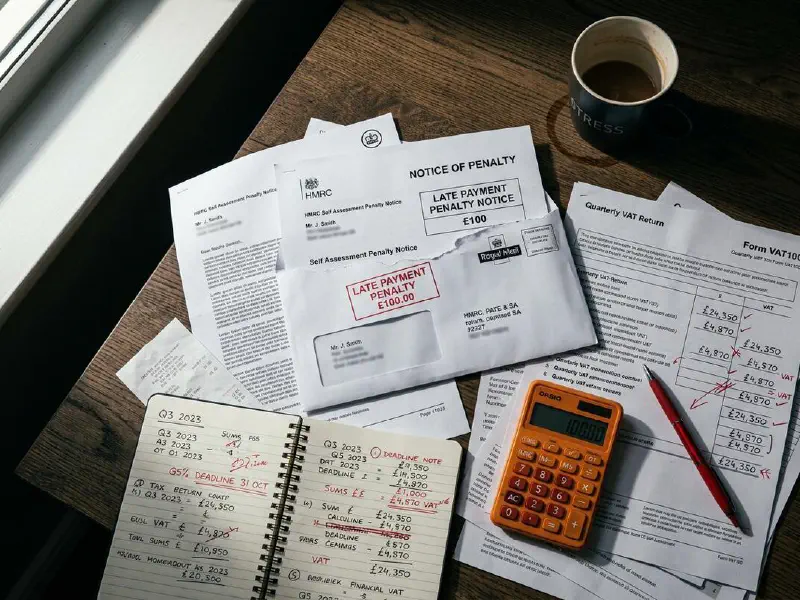
Let me be straight with you: the Building Safety Act 2022 is not just another bit of red tape. It is a fundamental shift in how every trade in England is held accountable. Budget for BSR application fees (from £113 per application), competency training (£25 to £3,000+ depending on trade), golden thread software (£40 to £200/month), and increased building control charges (up 4.8% in 2026). The Building Safety Levy launches 1 October 2026, adding £12.70 to £100.35 per square metre on residential developments of 10+ homes. Non-compliance penalties are now unlimited fines and up to two years in prison, with no time limit on prosecution. If you think this does not apply to you, read on.
Table of Contents
- What the Building Safety Act actually changes for tradespeople
- Building Safety Regulator fees and charges
- Gateway system costs at each stage
- Training and competency requirements
- Golden thread: digital record-keeping costs
- The Building Safety Levy from October 2026
- Penalties for non-compliance
- Insurance implications and cost changes
- BSA compliance cost calculator
- BSA key dates and compliance timeline
- My Verdict
- What the UK construction industry is saying
- Expert videos on the Building Safety Act
- Building Safety Act FAQ for UK tradespeople
What the Building Safety Act actually changes for tradespeople
When I was managing electrical services for a local authority, I saw first-hand how compliance was treated as a tick-box exercise. Certificates went in a drawer, nobody checked the data, and we all moved on to the next job. The Building Safety Act 2022 is the biggest change to construction regulation since the Building Act 1984. It was born from the Grenfell Tower fire and the Hackitt Review, and its reach goes far beyond cladding on tower blocks.
If you work on any building subject to Building Regulations in England, this Act affects you. That includes domestic extensions, loft conversions, and refurbishments. The days of treating Building Regs as a formality are over.
Three new duty holder roles now apply to all building work under Building Regulations. The Client must appoint competent people. The Principal Designer oversees design compliance. The Principal Contractor plans, manages, and monitors the construction phase. These mirror CDM roles but are broader in scope, and ignorance is no defence.
This applies to domestic work too
Duty holder responsibilities extend to ALL building work subject to Building Regulations, including domestic extensions, loft conversions, and garage conversions. For domestic projects where the client lacks competence, their duties transfer to the design and building professionals they appoint. If you are the only professional on a domestic job, the duty holder responsibilities likely fall on you.
Higher-risk buildings (HRBs) get the most scrutiny. Currently, an HRB is any residential building at least 18 metres tall or with 7+ storeys containing two or more residential units. The government is expanding this to include buildings between 11 and 18 metres, which brings a much larger number of mid-rise projects into scope.
For tradespeople working on these buildings, every piece of work must be documented, every change logged, and every product traceable. It costs time and money. This guide breaks down exactly where those costs land. If you are navigating building control notifications for your projects, the BSA adds new layers on top of the existing process.
Building Safety Regulator fees and charges
The Building Safety Regulator (BSR) transitioned to an independent body under MHCLG on 27 January 2026. It now charges fees for every interaction, and those fees are not cheap.
BSR application charges (2025-2026 scheme)
| Application type | Fixed fee | Hourly rate |
|---|---|---|
| Building control approval (HRB) | £189 | £151/hr |
| Change control application | £189 | £151/hr |
| Completion certificate | £227 | £151/hr |
| Regularisation certificate | £151 | £151/hr |
| HRB registration | £251 | £151/hr |
| Building assessment certificate | £302 | £151/hr |
| Notifiable change application | £113 | £151/hr |
Professional registration charges
Building Inspectors pay £336 for initial four-year registration, then £216 per year for maintenance. Building Control Approvers face much steeper fees: £4,494 for initial five-year registration and £3,439 per year for maintenance in years two to five. Assessment work is charged at £130 per hour.
These costs flow down to project budgets. When your building control provider pays more to operate, those charges land on the project, and eventually on your quotes.
Gateway system costs at each stage
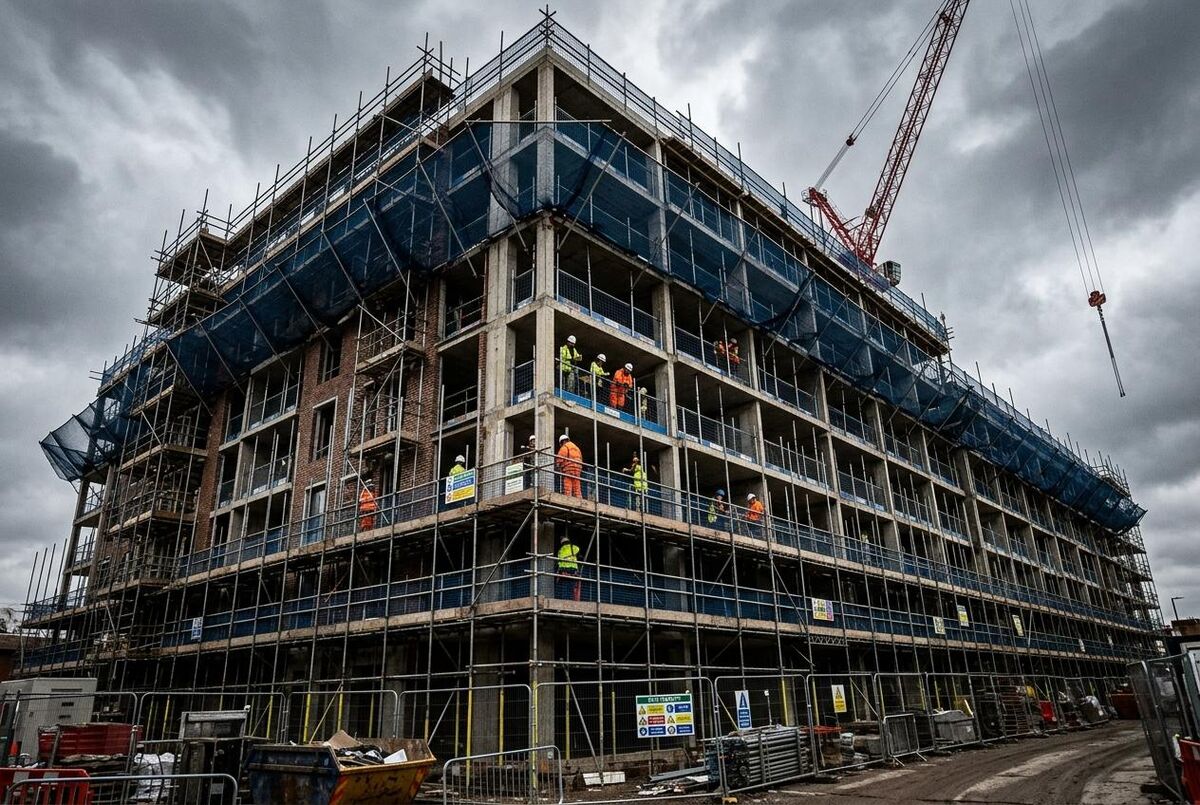
The gateway system creates three hard stops in the construction process for higher-risk buildings. You cannot proceed past each gate without BSR approval, and each gate costs money and time.
Gateway 1: planning permission
A fire statement from the client is required, and HSE acts as a statutory consultee. No additional BSR fee beyond normal planning costs, but the fire statement preparation adds consultant fees. Budget £500 to £2,000 for specialist fire safety input at planning stage.
Gateway 2: before building work begins
This is the big one. The BSR application costs £189 plus £151 per hour for review time. Full plans and Building Regulations compliance evidence must be submitted. Construction cannot start until approval is granted. This is not a rubber stamp; the BSR has rejected applications and sent them back for rework.
Every design change during construction must be categorised as "major" or "notifiable". A notifiable change costs £113 plus hourly review. A major change costs £189 plus hourly review. On a typical HRB project, expect three to five change applications during construction.
Realistic Gateway 2 budget for an HRB project
Application fee: £189. Review time (estimated 10-20 hours): £1,510 to £3,020. Three change applications: £339 to £567. Total Gateway 2 cost: £2,038 to £3,776 per project, before you factor in your own time preparing documentation.
Gateway 3: before occupation
The completion certificate application costs £227 plus £151 per hour for review. Golden thread documentation must be handed over. The building cannot be legally occupied until the certificate is issued. HRB registration adds another £251.
The government's own economic impact assessment estimated the construction industry faces a rise in costs of £385.5 million over 15 years from changes to the building control regime for HRBs alone. That figure does not include the knock-on costs for smaller projects.
Training and competency requirements
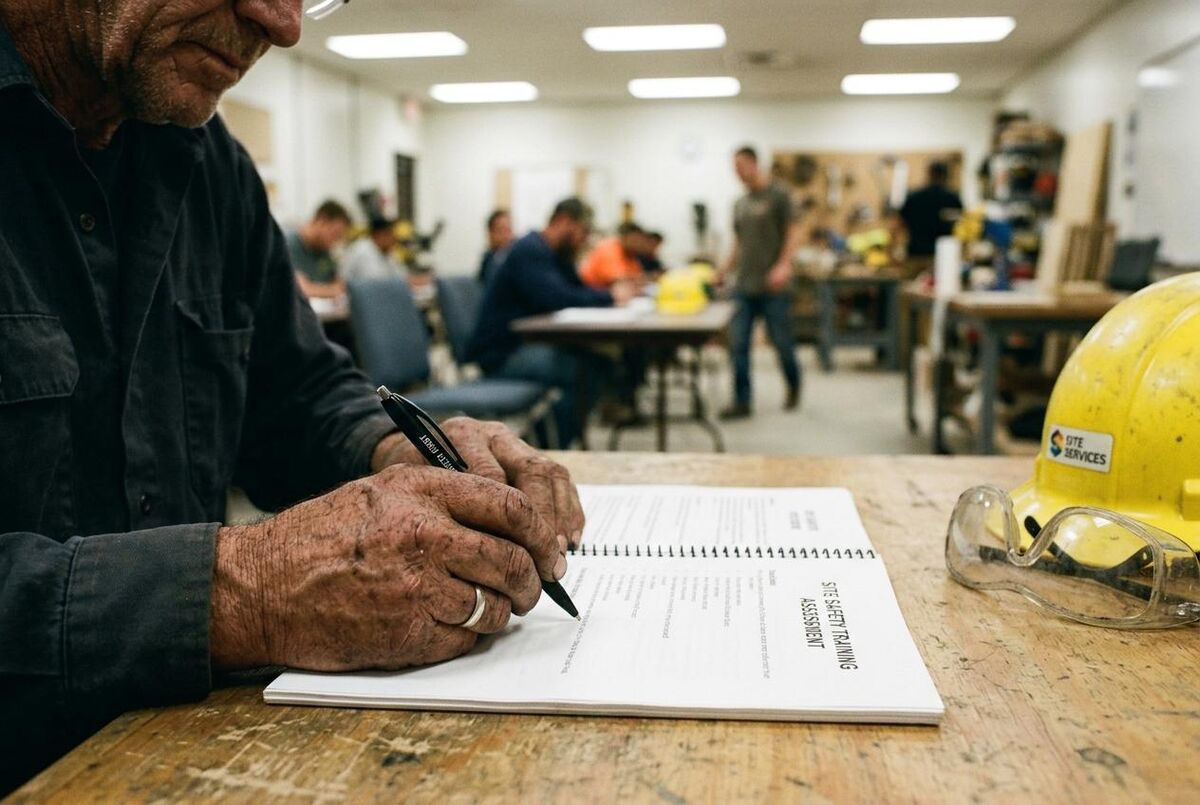
Under the BSA, everyone carrying out design or building work must demonstrate competence through four pillars: Skills, Knowledge, Experience, and Behaviours (SKEB). Being good at your trade is no longer enough on its own. You must also understand the safety implications of your work and demonstrate that understanding.
What training costs look like
| Training type | Typical cost | Duration |
|---|---|---|
| CIOB BSA Awareness eLearning | £25 | 90 minutes |
| CSCS card renewal | £58.50 | Card + HS&E test |
| NVQ Level 2 Passive Fire Protection | £950 | Varies |
| NVQ Level 3 Electrical Installation | £1,500 to £3,000+ | Varies by provider |
| BIM/golden thread software training | £200 to £1,000+ | 1 to 5 days |
The CITB Skills & Training Fund closed on 30 September 2025. From October 2025, training funding is only available through Employer Networks, which typically cover up to 70% of costs, down from 100%. That means small firms now shoulder 30% or more of every training bill directly.
Electrical contractors face a specific deadline. New Electrotechnical Assessment Specification (EAS) qualification requirements come into force in October 2026. Firms must find both time and money to upskill their workforce before then. If you are dealing with other compliance costs at the same time, such as the MTD Phase 2 penalties starting April 2026, the financial pressure stacks up quickly.
Only 39% of small firms are aware of their BSA obligations
A BESA survey found that just 39% of micro and small construction firms are aware of the Building Safety Act and its consequences. The majority described the legislation as "overwhelming and daunting". If you are reading this article, you are already ahead of most of your competitors.
People can doubt what you say. They cannot doubt what you do. If you are skilled and committed to safety, the BSA training requirements should validate that, not threaten it. The tradespeople who will struggle are the ones who have been coasting on reputation without substance. Individual accountability is the core of this Act, and frankly it is long overdue.
Golden thread: digital record-keeping costs
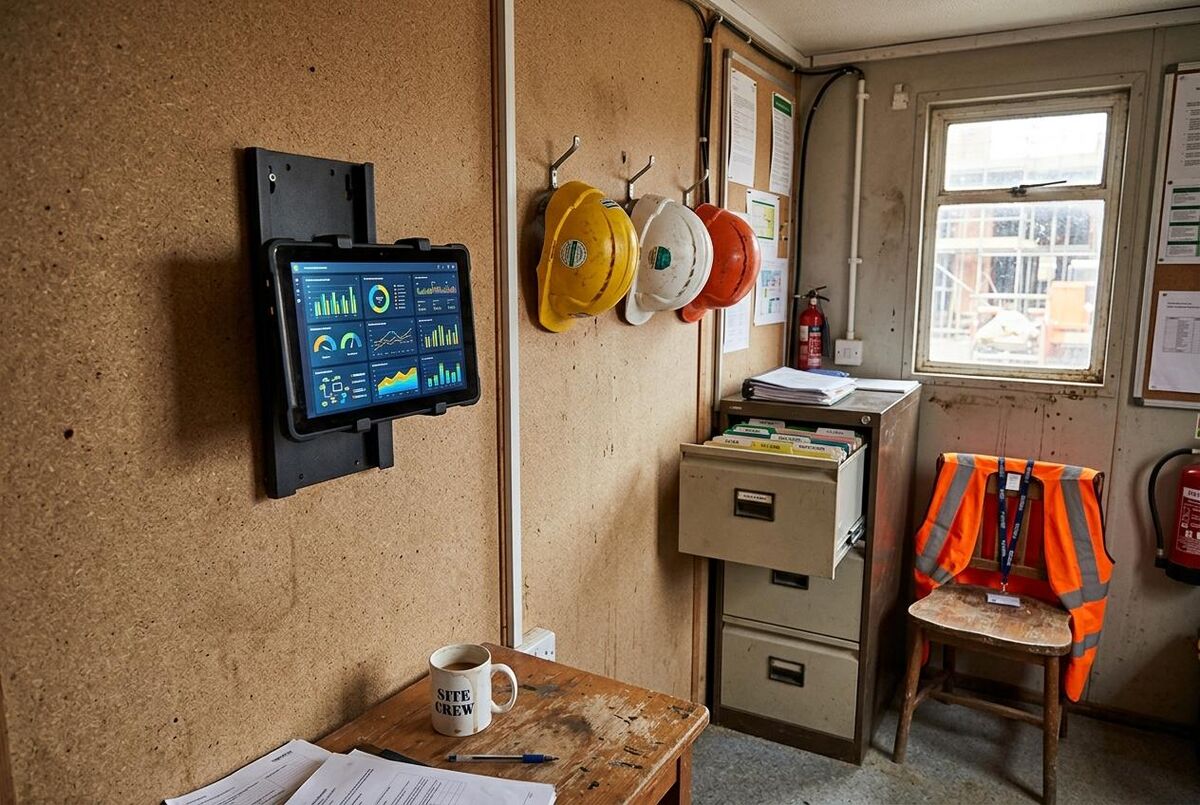
The golden thread is the requirement to maintain complete, accurate, and accessible building safety information throughout a building's lifecycle. For HRBs, this is mandatory from design through construction to occupation and beyond.
In practice, this means every product installed, every inspection completed, and every change made must be digitally recorded and traceable. The days of scribbling notes on a clipboard and filing them in a drawer are ending. I built The Compliance Workbook precisely because I saw how broken this process was: hundreds of compliance documents sitting in filing cabinets, nobody questioning the data inside them. The golden thread forces the industry to treat building information as a living dataset, not a tick-box archive.
Software costs for small firms
Purpose-built golden thread platforms like Operance, MosaicGT, and BlockPro typically charge subscription fees. Construction management software ranges from £44 to £2,850 per month depending on features and user count. BIM software (Autodesk Revit, ArchiCAD) costs £120 to £1,000+ per month per user.
For a sole trader or small firm, a realistic budget is £40 to £200 per month for a platform that handles digital records, photo documentation, and compliance certificates. That is £480 to £2,400 per year before you factor in the time spent learning and using it.
Start simple
You do not need enterprise BIM software for most domestic and small commercial work. A combination of structured photo documentation, digital certificates, and a basic project management tool can meet golden thread requirements. The strongest approaches combine digital records with physical proof: photographs, test certificates, and inspection logs.
The Building Safety Levy from October 2026
The Building Safety Levy launches on 1 October 2026. It aims to raise approximately £3.5 billion over 10 years to fund remediation of unsafe cladding and building defects across England.
Who pays
Developers of new residential schemes of 10 or more dwellings in England. Social housing, supported housing, and agricultural buildings are exempt. While developers pay the levy directly, the costs filter down through the supply chain to subcontractors and tradespeople through tighter project budgets and pricing pressure.
How much it costs
Rates vary by local authority, with a 50% discount for brownfield (previously developed) land where 75%+ of the site qualifies.
| Local authority | Standard rate/sqm | Brownfield rate/sqm |
|---|---|---|
| Kensington & Chelsea | £100.35 | £50.17 |
| Westminster | £98.01 | £49.01 |
| Camden | £87.12 | £43.56 |
| Cambridge | £50.87 | £25.44 |
| Birmingham | £29.23 | £14.62 |
| Manchester | £28.44 | £14.22 |
| County Durham (lowest) | £12.70 | £6.35 |
The Home Builders Federation has called it "a nakedly anti-development new tax on new homes" and warned it adds approximately £3,000 per plot on average. HBF CEO Neil Jefferson said the levy will "add thousands of pounds to the cost of new homes, threatening the viability of sites across swathes of the country."
For tradespeople, this means tighter project budgets on new-build residential work. Developers will look to cut costs elsewhere, and subcontractor rates will come under pressure. If you are already reviewing your pricing model, factor the levy's knock-on effect into your rate calculations.
Penalties for non-compliance

The penalty regime under the BSA is dramatically harsher than the old system. Previously, breaching Building Regulations was a summary-only offence with a maximum £5,000 fine plus £50 per day. Those days are gone.
What you face for getting it wrong
- Breach of Building Regulations: unlimited fine and/or up to 2 years imprisonment
- Failure to comply with compliance notices: unlimited fine and/or up to 2 years imprisonment
- Failure to comply with stop notices: unlimited fine and/or up to 2 years imprisonment
- New Homes Warranty non-compliance: up to £10,000 or 10% of the building's value
- Daily fines for continuing non-compliance after conviction
Personal liability for directors and managers
Directors, managers, and company secretaries can be personally liable if a breach is committed with their "consent or connivance" or is "attributable to any neglect" on their part. This is not just a company risk. It is a personal one.
The enforcement timeline has also changed. The time limit for enforcement action increased to 10 years from completion of works. For Building Regulations contraventions, there is now no time limit on prosecution. Work you did five years ago could come back to bite you if it does not meet the standards.
This is a similar pattern to the CIS penalties regime, where small mistakes can snowball into serious financial consequences. The lesson is the same: get the paperwork right the first time.
I have said it before and I will keep saying it: the management of risk is not the management of compliance. Ticking boxes on a form does not make a building safe. What makes a building safe is tradespeople who understand the implications of their work and take individual accountability for every installation, every connection, every material choice. The BSA finally puts legal weight behind that principle, and if that scares you, it should probably make you look in the mirror.
Insurance implications and cost changes
The BSA has shifted the insurance landscape for construction professionals. The Professional Indemnity Insurance (PII) market is broadly improving for SMEs with clean claims records, with double-digit rate reductions available.
But the Act has widened liability exposure in several ways, and that is where the costs stack up.
Key insurance impacts
- Extended limitation periods: the Defective Premises Act now allows claims for 30 years retrospectively and 15 years prospectively. Historical projects that were previously statute-barred now create new liability exposure.
- Wider duty holder liability: Principal Designers and Principal Contractors must check the work of all project members, increasing "duty to warn" liability.
- Higher deductibles: increases of 6-9% on large projects in 2025.
- New Homes Warranty: now mandatory for new homes and conversions, with penalties for non-compliance.
Budget for a 5-15% increase in PII premiums if you are taking on Principal Designer or Principal Contractor roles. Shop around; the market is competitive for firms with clean records, but you need to disclose the BSA roles you are taking on. For more on how compliance obligations stack up financially, our accounting software comparison covers the tools that help you track these costs properly.
BSA compliance cost calculator
Use this calculator to estimate your annual BSA compliance costs based on your business size and the type of work you do. If you are also budgeting for MTD Phase 2 setup, factor both together.
BSA Annual Compliance Cost Estimator
BSA key dates and compliance timeline
| Date | Event | Financial impact |
|---|---|---|
| 27 Jan 2026 | BSR transitions to independent body | New fee structure applies |
| Apr 2026 | Building control fee increases take effect | 4.8% average increase |
| 30 Sep 2026 | Second staircase requirement deadline (18m+) | £22,500 extra per flat |
| 1 Oct 2026 | Building Safety Levy comes into force | £12.70 to £100.35/sqm |
| Oct 2026 | EAS qualification deadline for electricians | £1,500 to £3,000+ per operative |
| End 2029 | Remediation enforcement deadline for landlords | Unlimited fines |
| Ongoing | 10-year extended enforcement; no prosecution time limit | Historic work liability |
The second staircase requirement for new residential buildings of 18m+ has a deadline of 30 September 2026. Adding a second staircase increases cost per flat by approximately £22,500 and reduces saleable floor area by about 7%. Total build cost increases range from 6-13% due to new pressurised core requirements. For context on how fire safety requirements interact with the BSA, see our fire safety regulations guide. If you work in the electrical trade, the Part L building regulations changes add another layer of compliance cost to factor in.
My Verdict
The Building Safety Act is not going away, and the costs are not optional. For sole traders and small firms doing domestic work, budget £1,500 to £3,500 per year for training, software, and additional admin time. For firms taking on Principal Contractor or Principal Designer roles on HRB projects, the figure climbs quickly into five figures when you add BSR fees, change applications, and extended PII cover.
I have spent my career arguing that compliance is not assurance. Ticking a box on a form has never made a building safe. What the BSA does, for the first time, is put legal weight behind individual accountability. That is the right direction. The tradespeople who treat this as an opportunity to demonstrate real competence, not just paperwork competence, will win work from the firms that cannot keep up.
Start with the basics: get your CDM duties in order, invest in a decent digital record-keeping system, and build the cost of compliance into every quote from today. The firms that absorb these costs without adjusting their pricing will be the ones that go under.
Biggest hidden cost: Admin time for golden thread documentation, easily 5-10 hours per project
Biggest risk: No prosecution time limit means historic work is permanently exposed
Quick win: CIOB BSA Awareness eLearning for £25 gets you ahead of 61% of small firms
Bottom line: Price the compliance into your quotes or absorb it from your margin. One of those is a business strategy; the other is a countdown
What the UK construction industry is saying
Expert videos on the Building Safety Act
The Building Safety Act - Introduction to BSA & BSR
SOCOTEC Building Control
9,802 views

Building Safety Act 2022: What UK Professionals Need to Know
fischer fixings uk
1,533 views · 32:55
Introduction of Dutyholders and Their Responsibilities
SOCOTEC Building Control
9,025 views · 13:10
The Building Safety Levy 2026
SOCOTEC Building Control
1,922 views · 6:40
The Building Safety Act - Non Higher-Risk Buildings
SOCOTEC Building Control
6,952 views · 17:17

Building Safety Act 2022: The End of Design and Build
Facade Intelligence by IAST
9,255 views · 11:10

5 Steps to Achieving Compliance with the BSA
SFG20
321 views · 6:44

What is The Building Safety Act?
Hydrock
7,616 views · 2:02
Stay ahead of BSA compliance
TrainAR Academy covers every compliance deadline, cost change, and regulation update that affects UK trades. From Gas Safe registration to apprenticeship funding changes, we break down the numbers so you can plan properly.
Explore TrainAR AcademyBuilding Safety Act FAQ for UK tradespeople
Yes. Duty holder requirements cover ALL building work subject to Building Regulations in England. If you are the sole contractor on a domestic extension, you are the Principal Contractor by default. See the building control notifications guide for how the process works in practice.
England only. Scotland has the Building (Scotland) Act 2003. Wales and Northern Ireland have separate frameworks. Check jurisdiction-specific requirements if you work across borders.
Any residential building in England at least 18 metres tall or with 7+ storeys, containing 2 or more residential units. The government plans to expand this to include buildings between 11 and 18 metres, which will bring a much larger number of mid-rise projects into scope.
Yes, and this is the bit that should keep directors awake. If a breach is committed with your "consent or connivance" or is "attributable to any neglect" on your part, you face unlimited fines and up to 2 years imprisonment personally. Limited company status does not protect you.
Roughly £1,500 to £3,500 per year. That covers BSA awareness training (£25 to £200), CSCS card renewal (£58.50), golden thread software (£480 to £1,200/year), additional PII premium (£200 to £500), and the admin hours you will lose to documentation. Use the calculator above for a tailored estimate.
Mandatory for HRBs. Not strictly required to the same standard for domestic work, but keeping proper digital records of products, inspections, and certificates protects you against claims under the extended 15-year limitation period. I would not do a job without it.