
Quick Answer
Silicone is the right pick for wet rooms, glazing, and anywhere you need pure waterproofing with no painting. Polyurethane is what you reach for when something needs structural strength on porous materials like concrete, timber, or render. Hybrid polymer (MS polymer) sealants sit in the middle and have become the default for most general construction work because they paint, bond to almost anything, and tolerate damp substrates. Expect to pay £4 to £12 a tube for silicone, £6 to £15 for polyurethane, and £8 to £18 for hybrids. Pick by joint type, not by brand loyalty.
Table of Contents
- The three chemistries, plainly explained
- Pricing, formats, and what you actually pay
- Silicone: the wet-room workhorse
- Polyurethane: structural strength, paintable
- Hybrid polymer and MS polymer: the modern default
- Head-to-head comparison table
- Curing time, temperature, and site conditions
- Using AI to predict your workability window
- What tradespeople are saying
- Recommended videos
- Frequently asked questions
- My verdict
 CT1
CT1 Sikaflex
 Soudal
 Dowsil
The three chemistries, plainly explained
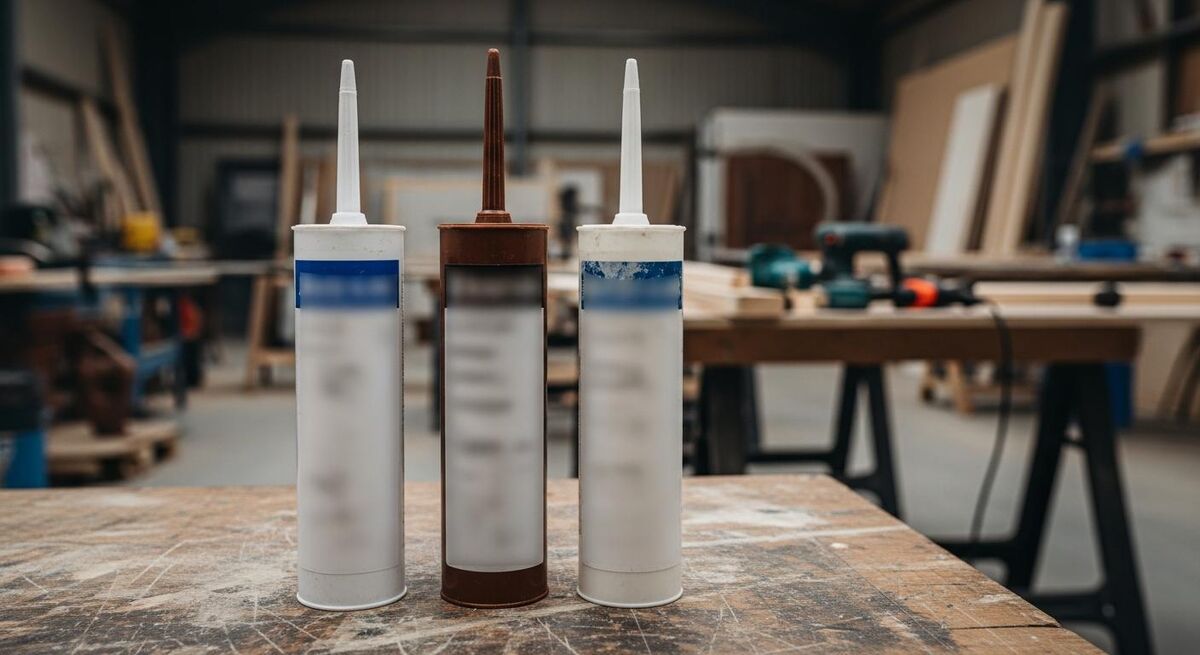
There are three families of sealant you will meet on UK sites, and they are not interchangeable. Silicone is the oldest and the simplest. It cures by absorbing moisture from the air, ends up as a flexible rubber, and has been the bathroom and glazing standard for forty years. Polyurethane is harder and tougher. It bonds porous materials together with real structural strength but does not love sunlight on its own. Hybrid polymers, sometimes called MS polymer or modified silane, blend the best of both. They have been the fastest-growing category in UK trade counters for about a decade.
The chemistry matters because it dictates what the sealant will and will not do on your job. Silicone will not take paint. Polyurethane chalks in direct UV. Hybrids cost more per tube but cover more ground. Once you understand that hierarchy you stop buying the wrong product, and you stop having to come back to a job because the wrong product failed.
A quick note on terminology. Sealant fills a joint and stays flexible. Adhesive bonds two materials together. Most of the products in this guide are adhesive sealants, meaning they do both. The line between the two has blurred over the years. CT1, Soudal Fix All, and Sikaflex 252 are all sold as hybrid adhesive sealants, and the marketing rarely distinguishes the function clearly.
Pricing, formats, and what you actually pay
Trade prices in the UK as of early 2026 are reasonably consistent across the major sealant suppliers. The numbers below come from current pricing pages at Toolstation, Screwfix, Sealant Wholesale, and Eurocell.
Standard silicone in a 310ml cartridge sits at £4 to £8 trade price, with premium sanitary or fire-rated grades pushing up to £12. Polyurethane runs £6 to £15 in the same format. Hybrid polymer products span the widest range. CT1 at Toolstation is £11.50 including VAT for a 290ml tube as of February 2026. Soudal Fix All Crystal Clear is £7.35. Sikaflex 252 in 300ml is typically £9 to £12 from trade-only suppliers.
Format matters more than people realise. The 290ml cartridge is the standard cartridge-gun size and what most vans carry. The 600ml foil sausage costs less per millilitre and reduces packaging waste, but you need a sausage gun to use it. For high-volume work like commercial glazing or kitchen fit-outs, the sausage format pays for the gun within a couple of jobs. For one-off domestic work, stick to cartridges.
Silicone: the wet-room workhorse
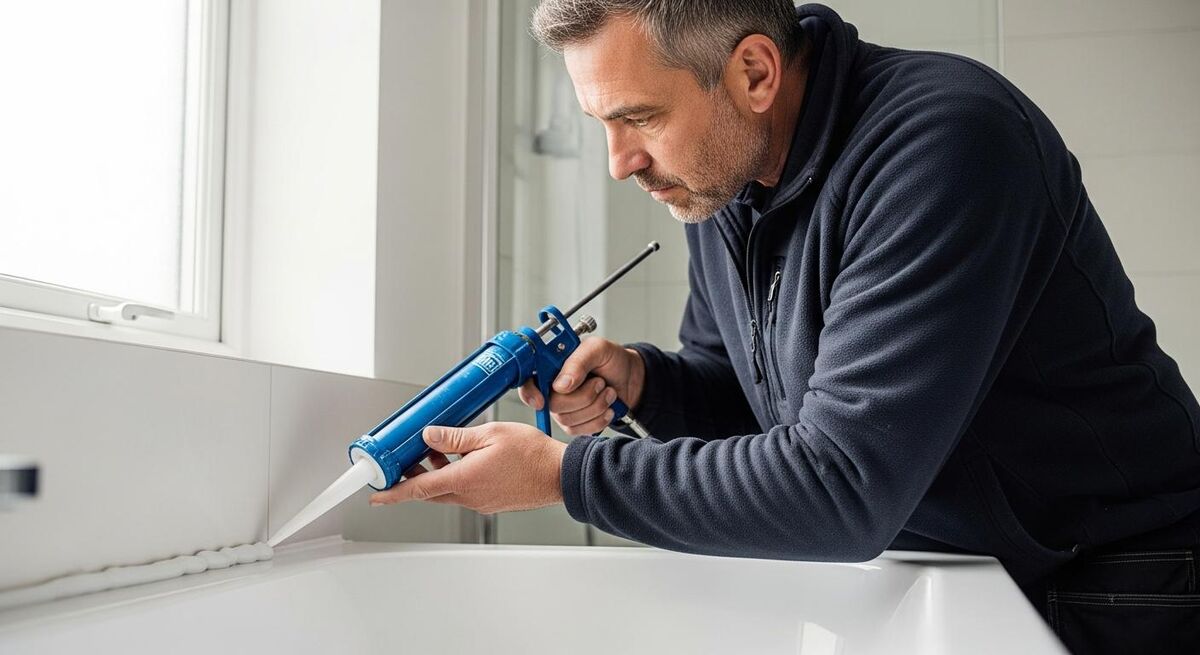
Silicone has been around since the 1960s and it still has the longest service life of any sealant when the substrate suits it. A good neutral-cure silicone applied to glass or glazed ceramic can last twenty years before it needs replacing. That is the upside.
The downside is well documented. Silicone bonds well to non-porous surfaces like glass, glazed tile, anodised aluminium, and stainless steel, but it struggles on concrete, render, timber, and plasterboard. It cannot be painted. Once a joint has silicone on it, nothing else will stick to that joint until you scrape every trace off and prime back to substrate. That is hours of labour on a refit.
There are two cure systems within silicone, and they matter on site. Acetoxy-cure silicones release acetic acid as they cure, which is why a fresh tube of cheap white silicone smells like vinegar. They cure faster and bond well to glass and glazed surfaces, but the acid attacks copper, brass, mirrors, marble, and most metals. Neutral-cure silicones release alcohol instead of acid, take longer to skin, and cost more, but they are safe on every substrate including stone and metals.
For a plumber doing bath edges, neutral-cure sanitary silicone with a fungicide is the answer. For a glazier sealing a window unit, neutral-cure structural silicone. For a roofer sealing a flashing, you probably want something else entirely, which is why we have the next two categories.
Pros and cons at a glance
| Pros | Cons |
|---|---|
| Best long-term UV and weathering resistance | Cannot be painted over |
| Excellent on glass, glazed tile, metals | Poor adhesion on porous substrates |
| Available with fungicide for wet rooms | Acetoxy variants corrode metals and stone |
| Cheapest per tube | Removal requires mechanical scraping |
| 20+ year service life on glazing | Strong vinegar smell during cure (acetoxy) |
Polyurethane: structural strength, paintable
Polyurethane sealants are the structural workhorses of the family. Sikaflex 252, Soudal Soudaflex 40FC, and Bostik PU Seal all sit in this category. They cure into a tough, slightly flexible rubber that bonds porous materials together with real strength. A polyurethane joint between two concrete elements can carry meaningful load.
This is what makes them the right answer for joints in concrete pavers, expansion joints in render, bedding kitchen worktops, and any situation where you need adhesion plus a bit of structural rigidity. They take paint, which silicone does not. They tolerate movement, though slightly less than silicone or hybrid.
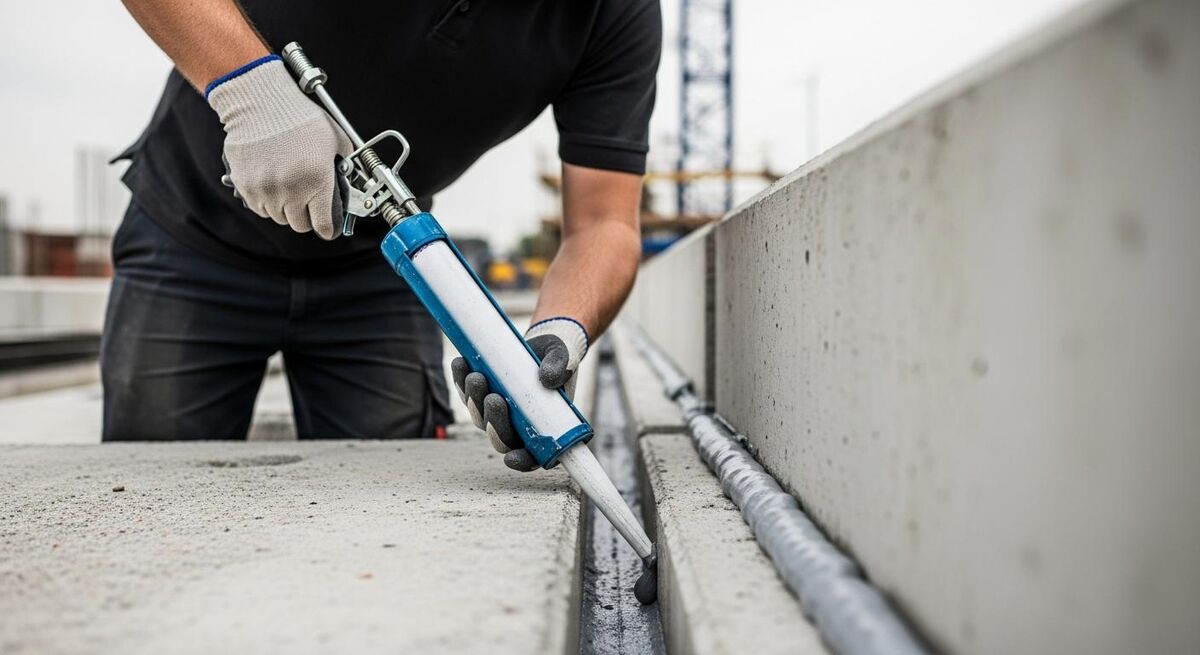
The weakness is UV. Standard polyurethane sealants chalk and yellow under direct sunlight within a year or two. Manufacturers have been working on this for two decades but the basic chemistry is what it is. If a polyurethane joint will see the sun, you either paint over it within the manufacturer recommended window, usually 7 to 14 days, or you choose a different product.
The other consideration is isocyanates. Polyurethanes contain them, and they are a respiratory sensitiser. The risk on a typical site applying a tube or two is low, but for high-volume application or anyone with respiratory conditions, hybrid polymers are the safer choice. UK COSHH rules do not ban polyurethane for general use, but they do mean you should be reading the safety data sheet for any product you are using indoors regularly.
Pros and cons at a glance
| Pros | Cons |
|---|---|
| Strong structural bond on porous materials | Poor UV stability, chalks and yellows |
| Excellent on concrete, timber, render | Contains isocyanates (respiratory irritant) |
| Paintable | Limited shelf life once opened |
| Holds load in dynamic joints | Skins slower than silicone |
| Cheaper than hybrid polymer per ml | Difficult to remove and rework |
Hybrid polymer and MS polymer: the modern default
Hybrid polymer sealants are a polyurethane-silicone marriage. The chemistry was developed in Japan in the late 1970s and went mainstream in European construction around 2010. They are now the most popular category in UK trade counters by volume, and for good reason. They do most things, they do most things well, and they tolerate the conditions you actually meet on site rather than the conditions a lab tester wishes you would meet.
The standout properties are bond strength on damp substrates, paintability, low odour, and an absence of isocyanates. CT1 is the dominant brand in this category in the UK, with their TRIBRID formulation marketed as a hybrid of hybrids. CT1 own claims place the product at 360% stronger than a standard hybrid polymer, with 385% elongation on coloured variants and 500% on clear. Independent tests do not always reproduce those specific numbers but the product consistently outperforms most generic silicones in bond strength.
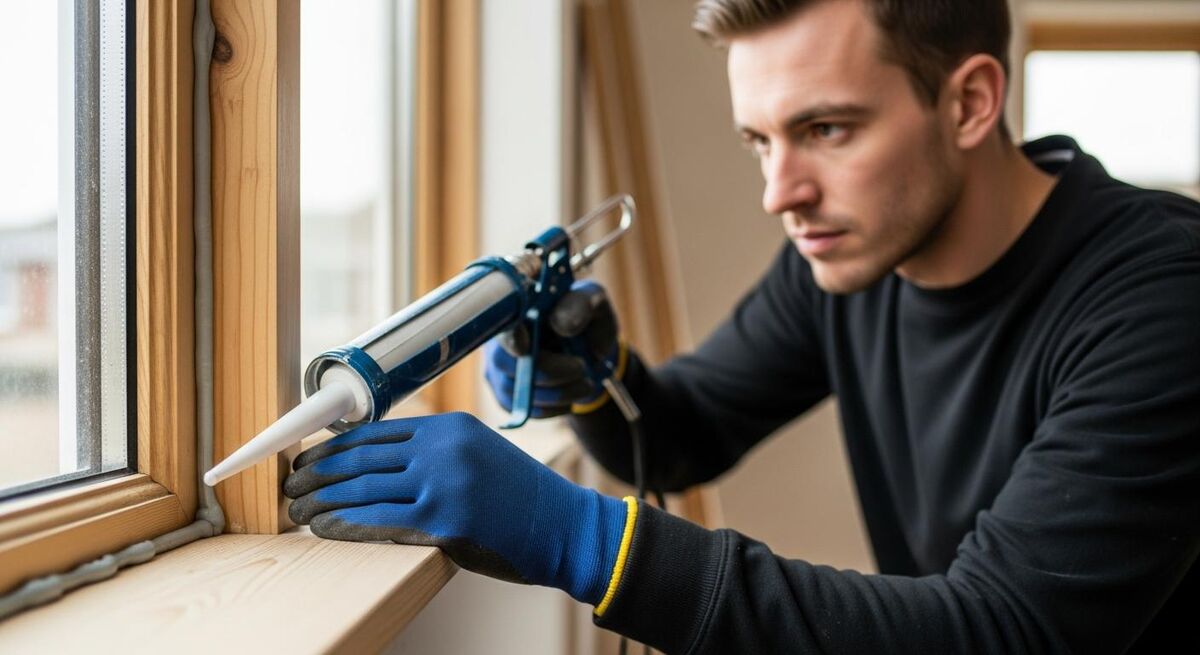
The trade-offs are real but small. Hybrids cost more per tube. They cure slightly slower than acetoxy silicone but faster than polyurethane. The colour range is narrower than silicone, although the major brands now stock anthracite, brown, oak, and signal white alongside the standard clear, white, and black. For mastic-style colour matching on conservation work, silicone still has more options.
One real-world note. Hybrid polymer products vary significantly in quality between brands. The branded products from CT1, Soudal, Bostik, and Sika perform consistently. The very cheap supermarket hybrids, often unbranded and priced under £4, often do not meet the published performance claims. This is one of those categories where you genuinely get what you pay for, and a £6 saving on a tube is rarely worth the callback risk.
Pros and cons at a glance
| Pros | Cons |
|---|---|
| Bonds to nearly every substrate including damp ones | More expensive per tube than silicone or polyurethane |
| Paintable within 1-24 hours | Narrower colour palette than silicone |
| No isocyanates, very low VOC | Cheap unbranded products underperform badly |
| Good UV resistance | Less load-bearing than polyurethane |
| Available in colours that match common substrates | Cure time can stretch in cold conditions |
Head-to-head comparison table
The table below is what I would hand to a new apprentice on day one. It is the working summary of what each chemistry does well and where it lets you down.
| Criterion | Silicone | Polyurethane | Hybrid polymer |
|---|---|---|---|
| UK price per 310ml tube (trade) | £4-12 | £6-15 | £8-18 |
| Adhesion on glass, ceramic, metal | Excellent | Moderate | Excellent |
| Adhesion on concrete, render, timber | Poor | Excellent | Excellent |
| Bonds to damp substrates | No | No | Yes |
| Paintable | No | Yes | Yes |
| UV resistance | Excellent | Poor (unpainted) | Good |
| Movement capacity | 25-50% | 10-25% | 20-30% |
| Skin time at 20°C / 50% RH | 5-15 min | 30-90 min | 10-30 min |
| Full cure at 20°C / 50% RH | 24 hrs | 24-48 hrs | 24 hrs |
| Service life | 15-25 yrs | 10-20 yrs | 20-50 yrs |
| Contains isocyanates | No | Yes | No |
| Best for | Wet rooms, glazing | Concrete, structural | General construction |
Curing time, temperature, and site conditions
Cure times in datasheets are quoted at 20°C ambient and 50% relative humidity. UK sites rarely meet those conditions. The actual working window on a job depends on three variables: temperature, humidity, and joint depth.
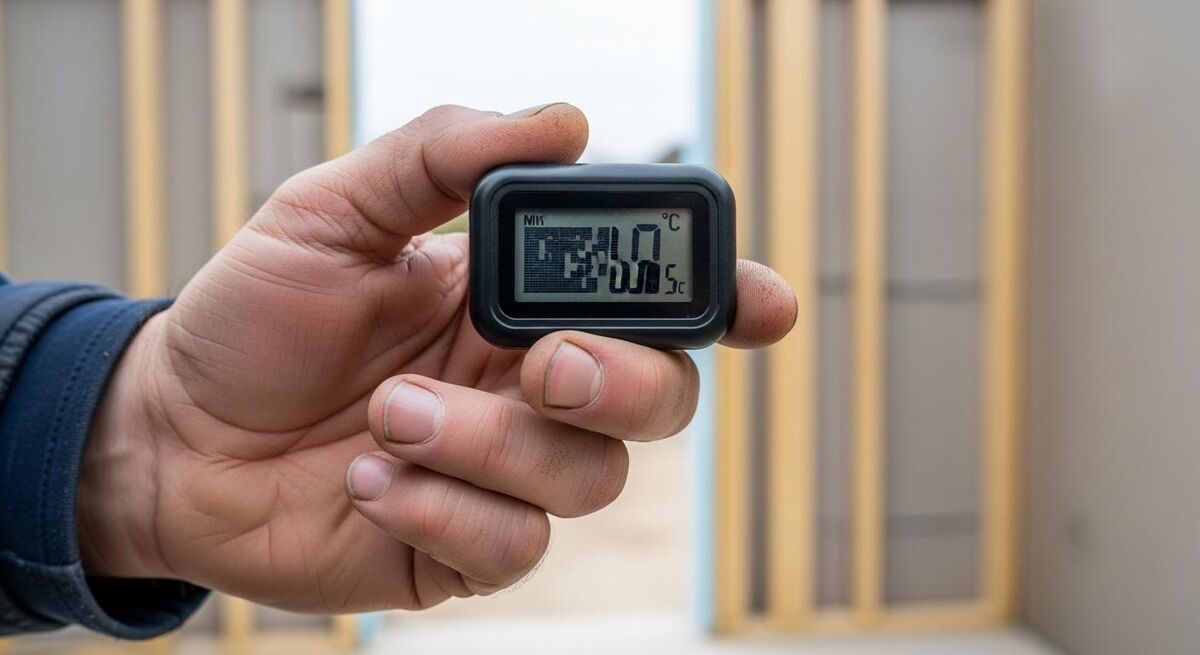
Temperature matters most. Below 5°C most sealants stop curing properly. Above 35°C they skin before they can be tooled. The sweet spot is 15 to 25°C, which is where the datasheets pretend everyone lives. In a UK winter on an unheated extension, expect cure times to double or triple. In summer, expect skin times to halve.
Humidity matters next, especially for moisture-cure products, which is all silicones and hybrids. High humidity speeds the cure of these products. Below 30% relative humidity, expect cures to slow. The damp UK climate is actually quite friendly to sealants, which is one reason hybrid polymers have done so well here.
Joint depth is the variable people miss. A 3mm bead cures fully within the published time. A 15mm structural fillet of polyurethane can take a week to cure right through. For deep joints, use backing rod to control depth, or apply in passes with 24 hours between coats. This applies to all three chemistries.
The practical lesson is simple. Buy a basic temperature and humidity meter for the van. They cost £10 to £20. Check the conditions before you apply, and either schedule your bead for a better window or adjust your expected cure time. A failed bead on a Friday afternoon is a Monday morning you do not want.
Using AI to predict your workability window
Here is where the practical kit meets the new tools. The annoyance with sealant cure data is that the datasheet quotes one temperature and humidity, and the conditions on your job are always different. For years tradespeople have either guessed or just over-engineered the cure time and lost a day.
You can now build a simple AI cure-time calculator using Claude or ChatGPT, an environmental monitor in your van, and a CSV of the major sealant product datasheets. The prompt is basic. You feed it the product name, the current temperature and humidity from the monitor, the joint depth, and the substrate. It returns an estimated skin time, an estimated tool time, and an estimated full cure time, with the assumptions it has made.
I am not going to pretend this is a polished tool yet. It is a workflow that takes about an hour to set up if you have a basic comfort with AI prompts, and it cuts the guesswork out of cure time calculations. For commercial mastic work where movement and paintover scheduling matters, it pays back quickly. For domestic jobs it is overkill. Useful to know it exists.
For more on building these kinds of practical AI tools without writing code, see our guide to AI tools for tradespeople. And for the related conversation about choosing the right fixings for each material, we have a companion piece worth bookmarking.
What tradespeople are saying
Recommended videos

MS or Polyurethane Sealants?
Side-by-side test of the two chemistries on common substrates.
What is MS Polymer Sealant?
Clear explainer on hybrid polymer chemistry and where it sits between silicone and polyurethane.
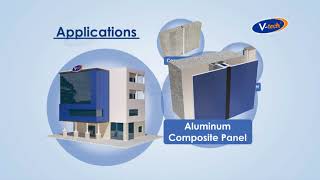
Chemistry and benefits of MS Polymer Sealant
Useful breakdown of why hybrid polymer adhesion outperforms silicone and polyurethane on damp substrates.
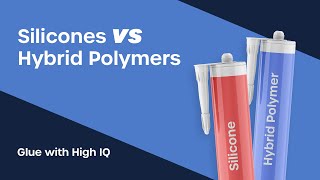
Silicones vs Hybrid Polymers
Direct comparison of the two most-used sealant families for general construction.

CT1 sealant tested against running water
Practical demonstration of CT1 sealing performance under live water flow.
Sikaflex 252 structural adhesive
Sika own demo of their flagship polyurethane structural adhesive in action.
Frequently asked questions
You can apply silicone to a painted surface but the bond will be only as strong as the paint underneath. If the paint peels, the sealant goes with it. For anything that needs to last, use a hybrid polymer and prime the surface if the substrate is suspect.
No. Paint will not adhere to standard silicone, full stop. If you need a paintable bead, choose a hybrid polymer or polyurethane from the start. The few "paintable silicones" on the market are usually hybrid polymers wearing a misleading label.
Some hybrid polymer formulations including older CT1 white have a tendency to yellow slightly in warm interior environments. The colour shift is most visible in well-lit kitchens and bathrooms. For pure white aesthetic finishes in visible areas, neutral-cure white silicone is more colour-stable. Some experienced fitters prefer to colour-match using a tinted hybrid rather than rely on stock white.
An opened cartridge of moisture-cure sealant has a working life that depends mostly on how well you seal the nozzle. Hybrid polymer products tend to last longest in the van, often six months or more with a screwed-on cap. Silicone is usually good for two to three months. Polyurethane is the shortest, often a few weeks once opened. Replace the nozzle with a screw cap or wrap with tape.
Effectively yes. MS polymer, short for modified silane, is one of the two main hybrid chemistries on the market. SPUR (silane-modified polyurethane) is the other. For practical job purposes both behave similarly and most product marketing uses "hybrid polymer" as the umbrella term. The chemistry matters more to the manufacturer than to you.
Some hybrid polymers including CT1 are formulated to cure on damp substrates and under water. The bond is genuinely useful for emergency repairs but the long-term durability of an underwater bond is lower than the same product applied dry. For permanent underwater work, butyl tape or specific marine polysulphide sealants are still the right answer.
For most common substrates with a standard hybrid or silicone, no. For polyurethane on smooth metals or PVC, often yes. The manufacturer datasheet for each product lists which substrates need primer. The Sikaflex range in particular has detailed primer charts. If a joint is critical, read the chart.
Mechanical removal first with a Stanley knife and a sharp scraper. For silicone residue, a proprietary silicone remover left to soften the residue for thirty minutes makes the final scrape easier. For polyurethane and hybrid, scraping is the only reliable option as solvent removers struggle. Always remove every trace before applying new sealant.
My verdict
The honest answer to "which sealant is best" is that there is not one. For UK trades doing varied work, a van that carries a neutral-cure sanitary silicone, a polyurethane like Sikaflex 252, and a hybrid like CT1 or Soudal Fix All will handle 95% of jobs without compromise. The £30 of stock pays for itself the first time you do not have to drive back to a job because the cheap silicone failed on a porous substrate. Pick by the joint, not by the brand on the side of the tube.