
Quick Answer
UK emergency callouts can be priced 50 to 200 percent above your standard rate, but the premium only works if your systems actually deliver. Real-time dispatch, AI-assisted triage, and a clean three-tier price card are the difference between profitable 24/7 cover and a string of angry one-star reviews. Tools like Commusoft, ServiceM8, and n8n agents handle the unglamorous bits, the routing, the customer updates, the payment terms, so your engineers focus on the job.
Table of Contents
- Why emergency callout pricing is broken
- The economics of a 24/7 callout
- The three-tier emergency pricing structure
- Triage first, dispatch second
- AI-powered callout routing and priority assessment
- The software stack: Commusoft, ServiceM8, n8n
- Customer communication that earns the premium
- Measuring profit per callout, not revenue
- What tradespeople are saying
- Recommended videos
- Frequently asked questions
- My verdict
 Commusoft
 ServiceM8
 n8n
n8nWhy emergency callout pricing is broken
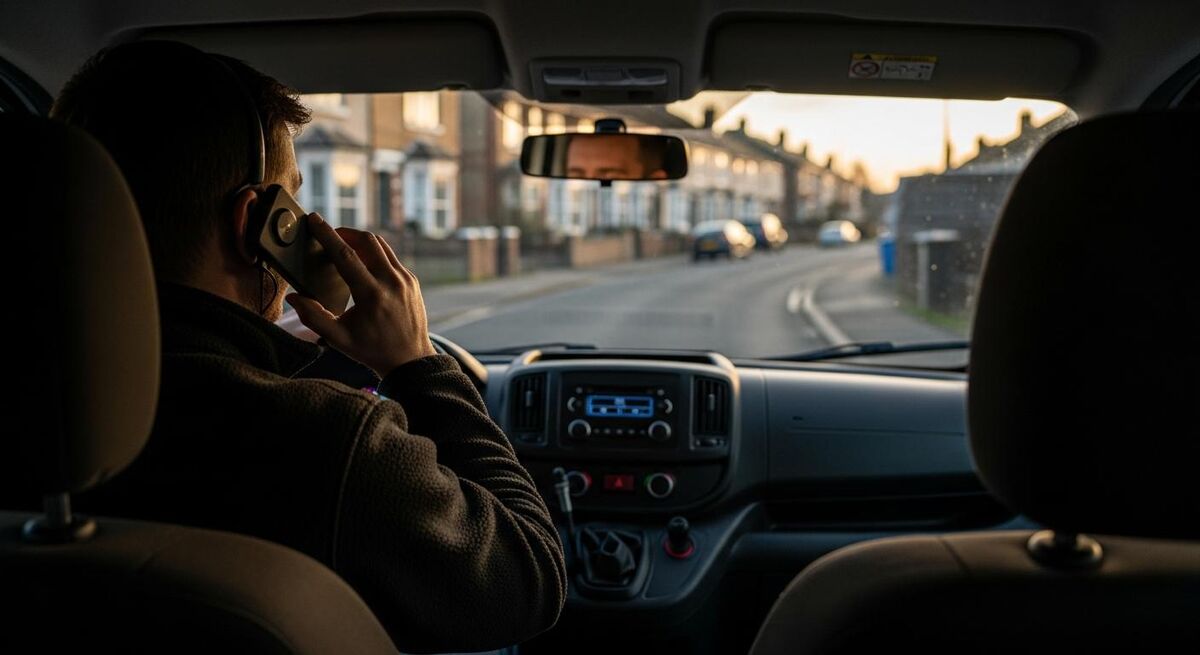
Most trades businesses pick their emergency callout price the same way they pick their van: by copying what a mate did. That is how you end up either undercharging by half and resenting the customer, or overcharging and watching the Trustpilot score collapse. Neither protects the business.
The data backs this up. Checkatrade puts the average UK emergency plumber callout fee at around £110, with hourly rates climbing to £200-350 overnight. UK emergency electricians sit at £100-200 for the callout and £80-110 per hour during the day. Locksmiths typically charge £40-100 for the callout plus £50-150 extra for out-of-hours. Spread across a whole trade, that is real money.
But the price card is only half the story. The other half is whether the customer feels the premium was earned. That is the bit nobody writes down, and the bit the software now solves for you.
I came into this from the gas and heating side, then built Help Me Fix to take pre-engineer triage seriously across more than 250,000 homes. Most of what I learned about emergency callouts came from the calls we managed to avoid. The job that never needed a van is the most profitable job you will ever quote.
When you charge 1.5x or 2x on a Sunday, you are not just billing for the hours. You are billing for the second-engineer cover, the on-call rota, the parts van you keep stocked, and the office phone that someone has to answer at 11pm. Price the system, not the shift.
The economics of a 24/7 callout
Let us cut through the noise. An emergency callout has three real costs that a standard daytime job does not.
First, standby cost. Someone has to be available. Even if no calls come in on a quiet Tuesday night, you are paying that engineer to keep their phone on. Electricians Forums contributors typically quote a £30-50 standby allowance per night before any work happens.
Second, opportunity cost. A 90-minute callout at 9pm means a tired engineer the next morning. You either lose a productive job the following day, or you pay overtime to maintain the schedule. Neither is free.
Third, system cost. The phone system, the dispatch software, the on-call payment processor, the SMS notifications. None of it is glamorous but all of it costs.
If your callout premium does not cover all three, you are subsidising the emergency from your daytime margin. That is the most common mistake I see, and it is why so many small trades businesses quietly stop offering 24/7 cover after a year. The rate looked good in isolation but did not pay for the system around it.
The three-tier emergency pricing structure

The cleanest pricing structure for UK trades is three bands. Customers understand it on the phone, dispatchers can quote it without checking, and your accountant can reconcile it.
Tier 1, weekday extended hours (6pm-10pm, Monday to Friday). Standard hourly rate plus 50 percent. Most jobs in this band are not actually emergencies, they are convenience callouts. Customers expect a small premium and accept it without complaint. Plumber rates here typically land at £120-200 per hour.
Tier 2, weekend daytime and night-evening (Saturday/Sunday daytime, plus weeknight 10pm-8am). Standard rate plus 100 percent. This is the band most weekend boiler leaks and weekend lockouts fall into. Customer is inconvenienced, you are inconvenienced, premium reflects that. Expect £150-250 per hour for plumbing.
Tier 3, overnight, bank holiday, and Sunday night. Standard rate plus 150-200 percent. This is the genuine 3am scenario. Engineers expect this premium because of the personal cost. Customers accept it because the alternative is a flooded kitchen. UK plumber overnight rates routinely hit £200-350 per hour, and electricians push toward £200 callout plus £100-150 per hour.
Say "this falls into our weekend emergency band, that is £X minimum callout plus £Y per hour after the first hour." Customers process the structure better than a single big number, and you are not negotiating against yourself.
One thing I will not do is recommend dynamic surge pricing. It works in transport because nobody remembers the price tomorrow. In trades, the customer tells everyone at the school gate. Save the dynamic stuff for back-end routing, not front-end quoting.
Triage first, dispatch second
The single most profitable change you can make to your emergency operation is not in pricing. It is in the 90 seconds before you commit a van. Every callout you save with a phone fix is pure margin.
A proper triage call covers three things. Is this actually an emergency, or can it wait until 8am Monday? If it is real, what is the engineer walking into, gas, water, electrical, security? And third, what parts will they need on the van so they do not turn the job into a two-visit job?
At Help Me Fix we found that around 30 percent of emergency plumbing calls could be resolved without a van, just with a video call and someone walking the customer through an isolation valve. That is the upper end. For a typical trades business, even 10-15 percent of "emergency" calls that turn out to be a tripped RCD or a closed stopcock is worth a fortune over a year.
If you spend 20 minutes on the phone diagnosing a problem and the customer fixes it themselves, you have just delivered value. Some firms now charge a small "remote diagnosis" fee, £25-40, refundable if a callout follows. It removes the time-waster calls and pays for the system.
AI-powered callout routing and priority assessment
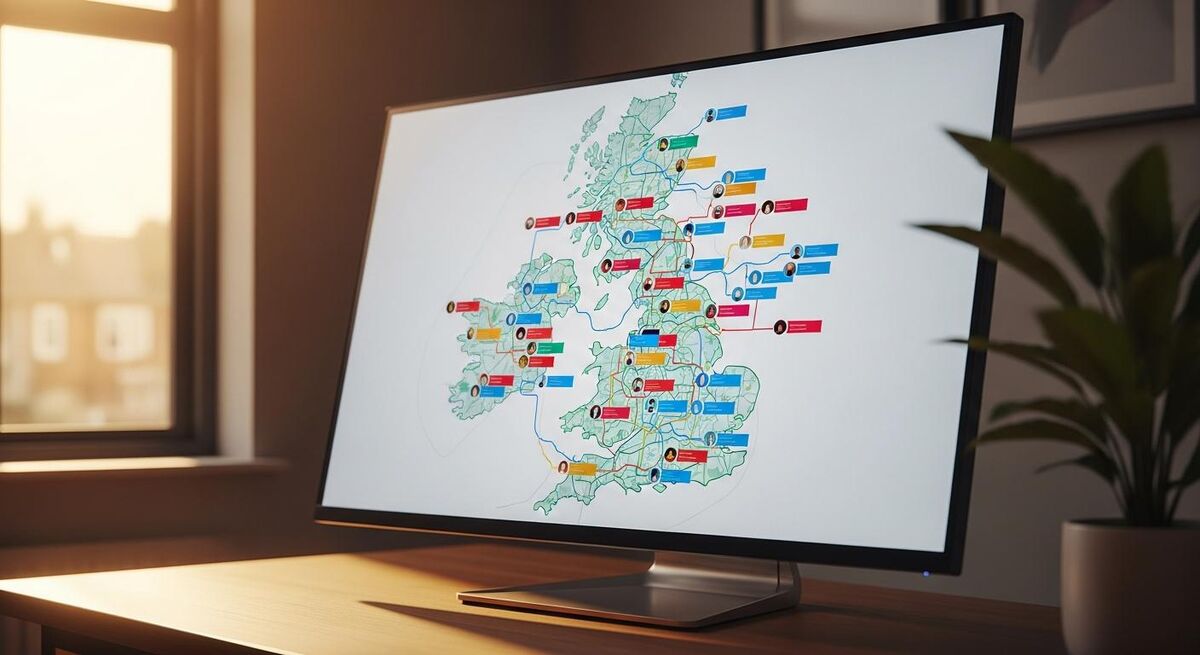
This is where the playbook changes in 2026. The old way to route an emergency was: phone rings, dispatcher checks the board, calls the nearest engineer, hopes they answer. The new way is automated.
Modern dispatch tools tag incoming jobs with a priority level at the moment of intake, EMERGENCY, URGENT, STANDARD, ROUTINE, and weigh that against engineer location, certification, current job load, and any SLA-bound contract customers. BuildOps reports that AI-assisted dispatch can reshuffle a day's board and reassign low-priority calls in under 10 seconds when an emergency lands.
The numbers attached to this are interesting. Predictive maintenance and AI dispatch tools have shown roughly a 40 percent reduction in emergency service calls in the first year of use, mainly because pattern-recognition flags failures before they happen. That is not the same as zero emergencies, it is fewer of them, which means your premium rate goes further on each one that does land.
I am not going to pretend AI dispatch is plug-and-play. It needs clean job history data, which most small trades businesses do not have. Start by getting six months of clean dispatch records into one system. Then layer the AI on top. Doing it in reverse just produces confident-sounding rubbish.
For the AI side specifically, you can build the entire intake-to-dispatch flow in n8n with AI Agent nodes for the cost of a £5 VPS. The setup is not complicated, but it requires the data discipline mentioned above.
The software stack: Commusoft, ServiceM8, n8n
Three tools cover the emergency callout problem for most UK trades businesses. None is perfect, all three are worth understanding.
Commusoft is the heavyweight option. UK-built, plumbing-and-heating focused, strong on planned maintenance contracts that fund the on-call rota. The mobile app handles emergency job updates well, and the integrated invoicing speeds cash flow on the after-hours invoice. Pricing is on quotation, you have to book a demo. For a firm with five-plus engineers running 24/7 cover, that is the right fit.
Read the full Commusoft PPM analysis for the maintenance-contract angle, which directly subsidises emergency cover.
ServiceM8 sits in the sweet spot for sole traders up to about 20 staff. Capped plans, no per-user fee, billing in GBP for UK customers, and a Starter plan with 50 jobs per month plus unlimited AI Assists. ServiceM8 UK pricing is transparent on the site. The dispatch board is fast for reshuffling an emergency, and the mobile app does not collapse under poor van-signal conditions.
n8n is the connector. Self-hosted Community Edition is free at the licence level, you just pay for the VPS, typically £5 a month. It does not replace your FSM software, it talks to it. Build an AI agent that takes the inbound call transcript, flags genuine emergencies, looks up the customer in your CRM, and pushes a priority-tagged job into ServiceM8 or Commusoft. That is a 2026-vintage trades automation stack.
Jobber is North American by origin. The UK pricing is published in USD, which adds 2-3 percent on currency conversion plus bank fees. It works, but for a UK business juggling VAT, CIS, and the domestic reverse charge, a UK-built option is usually less friction. Read our FSM switching cost analysis before committing.
Customer communication that earns the premium

The premium rate is half the customer experience. The other half is whether they know what is happening. Anyone who has waited at home for a service window between 9am and 6pm knows the silence is worse than the wait. For an emergency at 1am, it is exponentially worse.
The basic template is simple. Confirm the booking with a price band on the call. Send an SMS the moment dispatch goes out, with the engineer's name and ETA. Update the customer if anything slips. Send a "we have arrived" SMS at the door. After the job, send the invoice the same night, not three days later.
ServiceM8 and Commusoft both do this out of the box now. The bit that needs n8n is the AI layer that drafts personalised messages instead of generic templates. Customers respond better to "Hi Sarah, James is heading to you now, ETA 11:50pm" than to "Engineer en route". That is a 30-line workflow in n8n with an LLM call in the middle.
Do not charge a premium rate and then leave the customer in the dark. A £350 callout fee with no updates produces a one-star review before the engineer has even left the driveway. The communication is the premium. Cut anything else first.
Measuring profit per callout, not revenue
Most trades businesses I look at measure emergency callouts on revenue. Wrong metric. Revenue tells you what came in. Profit per callout tells you whether the system actually works.
The simple formula: take the invoice value, subtract direct labour at the loaded rate (including on-call premium), subtract van running cost for the trip, subtract parts at cost, and divide by the hours from phone-call to invoice-sent. That is your true gross margin per hour on emergency work.
If that number is below your standard daytime margin per hour, you are running emergency cover at a loss to win goodwill. Sometimes that is a deliberate strategic call. Usually it is an accident.
Commusoft and ServiceM8 both report on job profitability if you bother to enter the loaded labour rates. Most operators do not, which is why the dashboard always looks rosy. Spend an hour with your accountant getting the loaded rate right. The number that comes out the other end is usually a shock, and it pays for itself by the third reset emergency price.
Boiler no-heat, simple leak, lockout. Those three account for the majority of profitable emergency callouts. Everything else, the late-night drain unblock, the smell of gas that turns out to be a candle, is variable. Track which types pay and quote your team into those types first.
What tradespeople are saying
Recommended videos
How to dispatch urgent jobs in the field
ServiceM8

Overview & Demo | ServiceM8 UK
ServiceM8

Commusoft Tutorial for Beginners (2026)
Master Field Service Management FAQs

Jobber Mobile App: Scheduling & Dispatch in the Field
The Handy Manual
How Much Does an Emergency Plumber Cost?
MyJobQuote

n8n Course for Beginners: AI Integration
freeCodeCamp.org
Frequently asked questions
About £110 for an emergency plumber, £100-200 for an electrician callout, and £40-100 for a locksmith during the day. Out-of-hours rates push plumbers to £200-350 per hour overnight and electricians to £150-200 per hour. London adds 30-50 percent on most figures.
50 percent extra on weekday evenings, 100 percent on weekends, 150-200 percent for overnight and bank holiday. Quote the band, not the number, on the call. The customers who push back at 200 percent on a Sunday are not customers you want anyway.
Yes. Most UK trades charge a minimum callout that covers the first hour or 30 minutes, fixable or not. The fee pays for the diagnostic, the travel, and the engineer's time. Be explicit on the call, not in the small print on the invoice.
For pattern-matching common symptoms to job types, yes. For genuine clinical judgement, no. Treat AI as a first filter, not a replacement for an experienced dispatcher. A workflow that auto-categorises and flags but routes the actual decision to a human is the right shape for 2026.
For under 20 staff, ServiceM8. For 20-plus engineers with planned maintenance contracts subsidising on-call cover, Commusoft. Both handle real-time dispatch and customer SMS updates out of the box. Avoid building emergency cover on a US-priced platform unless your numbers justify the FX overhead.
Three things. First, sell planned maintenance contracts that include priority response, so customers do not become emergencies. Second, triage hard at the phone, video diagnose where you can, charge a remote fix fee. Third, log every emergency type and pattern-match the recurring ones into preventive visits the following quarter.
My verdict
Charge 200 percent overnight, by all means, but only if the phone is answered in three rings, the engineer arrives in 45 minutes, the customer gets four SMS updates, the invoice lands the same night, and the follow-up call happens the next day. If any of those break, the premium turns into a complaint. The pricing structure is the easy bit. The system that earns it is the hard bit, and it is the only bit worth investing in.
The trades businesses I see making 24/7 cover work in 2026 are not the ones with the highest rates. They are the ones with the cleanest dispatch flow, the best triage, and a customer communication discipline that does not break at 2am. The price card just follows from there.