Quick Answer
The right fixing depends entirely on what you are fixing into. Red wall plugs and No.8 screws handle most jobs in solid brick. For plasterboard, skip standard plugs entirely and use spring toggles (up to 20kg) or GripIt fixings (up to 113kg). In aerated blocks like Thermalite, the same plug that holds 400kg in concrete holds just 5kg, so you need specialist aircrete anchors. Chemical resin anchors handle heavy loads in any masonry but need proper hole cleaning. This guide covers every material you will encounter on a UK job site, with real load ratings and prices from Screwfix and Toolstation.

Table of Contents
- Understanding fixings: the basics every tradesperson needs
- Fixings for solid masonry: brick, block, and concrete
- Fixings for plasterboard and stud walls
- Fixings for aerated blocks and Thermalite
- Fixings for timber and engineered board
- Fixings for steel and metal
- Chemical anchors vs mechanical fixings
- Choosing the right material: corrosion and outdoor use
- The wall plug and drill bit size chart
- What fixings actually cost in 2026
- The 10 most common fixing mistakes
- Digital tools and apps for fixing selection
- Fixings in action
- What tradespeople are saying
- Frequently asked questions
- Our verdict
Understanding fixings: the basics every tradesperson needs
Every fixing does one job: transfer load from whatever you are mounting into whatever material sits behind it. Get the match right and a single fixing holds a 50-inch TV on plasterboard. Get it wrong and a shelf rips out of an aerated block wall at 3am, taking a chunk of render with it.
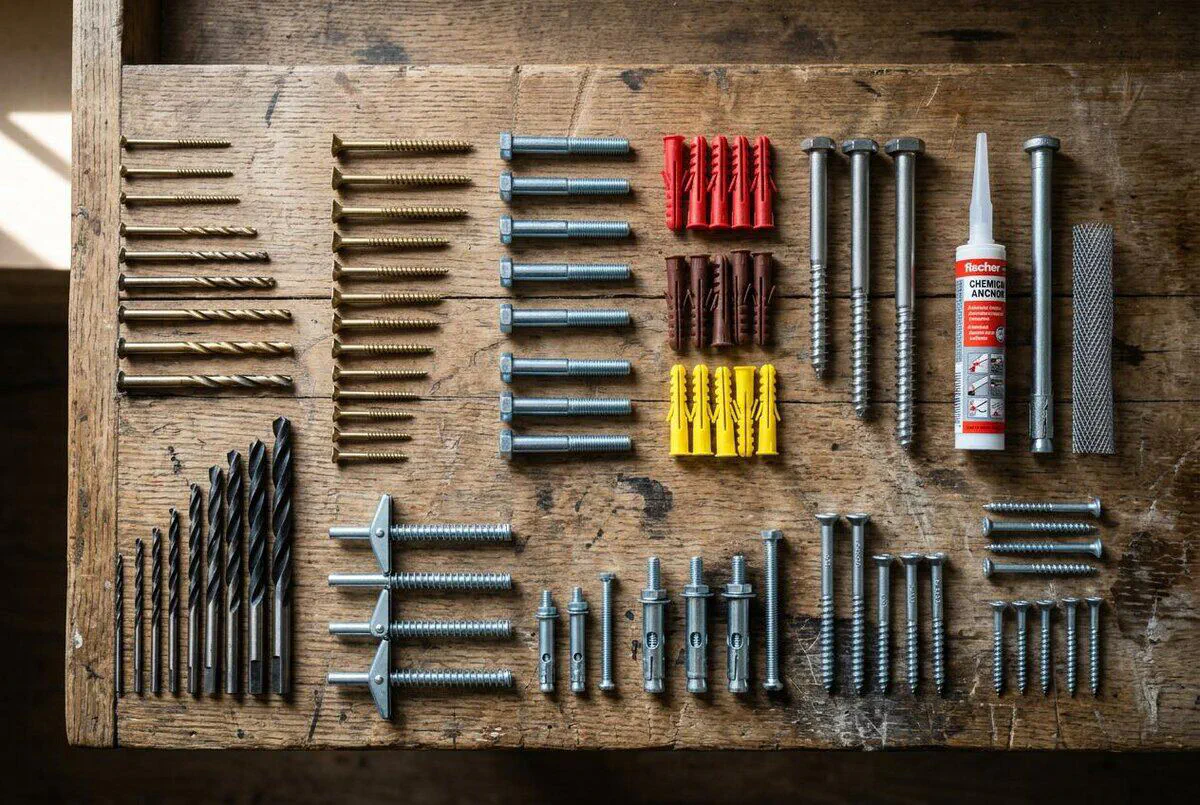
The UK construction industry uses hundreds of different fixing types, but they all fall into a handful of categories. Screws (wood, self-tapping, machine, drywall, and coach), nails (round wire, oval, ring shank, and masonry), bolts (hex, carriage, and anchor), wall plugs (the colour-coded plastic expanding type), specialist plasterboard fixings (spring toggles, hollow wall anchors, and grip-style fixings), and chemical anchors (resin injected into drilled holes with threaded rods).
The single most important thing to get right is identifying what you are fixing into. A red wall plug that holds 5kN in concrete holds barely 0.08kN in aircrete. That is not a small difference. That is a 98% reduction in holding power from the exact same fixing. The material dictates everything.
Before you drill anything
Always use a cable and pipe detector before drilling into any wall. Hitting a mains cable or water pipe is not just expensive to fix, it can be lethal. A basic detector costs under £30 from Screwfix. There is no excuse for not having one in your kit.
Fixings for solid masonry: brick, block, and concrete
Solid masonry is the most forgiving substrate to fix into. Standard wall plugs work reliably, and you have plenty of options for heavy loads. The key is matching the plug size to the screw gauge and drilling the right diameter hole.
Standard wall plugs and screws
The bread and butter of UK construction. Drill a hole to match the plug diameter, tap the plug in flush, and drive the screw. For most jobs in solid brick and concrete block, a red wall plug (5.5mm drill, No.8 screw) handles anything up to about 20-30kg per fixing. Brown plugs (7mm drill, No.10-12 screw) handle heavier loads up to 50kg+.
Fischer DuoPower plugs deserve a special mention. They are more expensive than basic plugs (£4.99 vs £0.99 per 100 at Screwfix) but they genuinely work in multiple materials. In concrete they expand like a standard plug. In plasterboard they fold and knot. In aerated concrete they spread wide for better grip. For a mixed van stock, they save time on material identification.

Concrete screws (Thunderbolts)
Self-tapping concrete screws have become increasingly popular with UK trades because they skip the wall plug entirely. Drill a pilot hole with an SDS hammer drill, then drive the screw straight in. Faster than plug-and-screw for conduit clips, cable trays, battening, and light-to-medium fixings. Typical pull-out strength in C20 concrete is 2-4kN depending on size.
Shield anchors and through-bolts
For heavy-duty work in concrete and solid masonry, shield anchors (sometimes called Rawlbolts) provide pull-out strengths from 5kN to over 20kN. They expand behind the material as you tighten the nut, creating a mechanical lock. Use them for steel beams, heavy brackets, safety-critical applications, and anything where chemical anchors are not practical.
Pro tip: hammer fixings for speed
For battening, conduit clips, and cable trays where you are driving dozens of fixings per day, hammer fixings (nylon plug with a nail that you hit with a hammer) are the fastest option. They are not as strong as screw-in plugs, but for light-duty repetitive work they cut installation time in half.
Fixings for plasterboard and stud walls
This is where most callbacks happen. Standard wall plugs designed for masonry do not work in plasterboard. They have nothing solid to expand against, so they spin freely and pull straight out under any real load. Yet tradespeople still use them because "it felt tight going in." It was not tight. It was plasterboard crumbling around a fixing that has zero grip.

Fixing types ranked by load capacity
| Fixing Type | Safe Working Load | Best For | Cost (approx.) |
|---|---|---|---|
| Plastic self-drilling plugs | 5-10kg | Light shelves, picture frames | £3-5 per 25 |
| Metal self-drive fixings | 10-15kg | Curtain poles, towel rails | £5-8 per 25 |
| Spring toggles | 15-25kg | Shelving, light cabinets | £7-12 per 20 |
| Hollow wall anchors (Molly) | 20-50kg | Heavier shelves, brackets | £5-10 per 10 |
| GripIt Red | 74kg | TVs, radiators, cabinets | £10-15 per 4 |
| GripIt Blue | 113kg | Heavy TVs, boilers, bike racks | £12-18 per 4 |
| SnapToggle | ~100kg (pair) | Very heavy items, commercial | £15-20 per 4 |
In independent testing by the Gosforth Handyman, spring toggles held 176kg before the plasterboard itself failed. GripIt Blue held 101kg at failure point. In every case, it was the board that gave out, not the fixing. The lesson: above about 50kg per fixing point, the plasterboard itself is the weak link, not the anchor.
Board thickness matters
Most domestic plasterboard is 12.5mm thick, but older properties and some partitions use 9.5mm board. Every load rating drops significantly on thinner board. Fischer recommends a maximum of 15.3kg per anchor on 9.5mm board vs 20.4kg on 12.5mm board. Always check thickness before specifying fixings for a job.
Fixing heavy items to stud walls
For anything genuinely heavy (kitchen cabinets, wall-hung basins, large TVs on full-motion mounts), the best approach is to fix through the plasterboard into the timber studs behind. Use a stud finder to locate them, then drive coach screws or heavy-duty wood screws directly into the stud. Each screw into a stud holds dramatically more than any plasterboard fixing. If the studs do not align with your mounting points, fix a horizontal timber batten across two or more studs, then mount your item to the batten.
Fixings for aerated blocks and Thermalite
Aerated concrete blocks (Thermalite, Celcon, Toplite) are used extensively in UK construction for inner leaves of cavity walls and internal partitions. They are lightweight, thermally efficient, and easy to cut. They are also terrible at holding fixings.
Standard expansion plugs are essentially useless in aircrete. The material is too soft and crumbly for mechanical expansion to work. A Fischer DuoPower 6x30 plug holds 0.50kN in concrete but just 0.08kN in aerated concrete (AAC 2 grade). That is an 84% drop from the same plug.
What actually works in aircrete
Fischer Aircrete Anchor GB: Specifically designed for aerated concrete. ETA-approved for safety-relevant fixings. Screws into the block using a battery driver with no separate plug required.
Twist-in fixings (Airtwist type): Screw-tooth design that cuts into aircrete without crumbling it. No pilot hole needed in the block itself.
Nylon square anchors: Hammer into the block, then screw into them. The square cross-section prevents spinning.
Chemical resin anchors: For heavy loads, inject resin into a cleaned hole with a threaded rod. The resin bonds to the porous material and spreads load across a wide area. This is the only reliable method for loads above 30kg per fixing in aircrete.
How to identify aerated concrete
Drill a small test hole. Aerated concrete produces a fine grey-white powder and drills easily with very little resistance. Dense concrete produces coarse grey grit and requires SDS hammer drill effort. If your masonry drill goes through like butter, you are in aircrete and need to change your fixing strategy immediately.
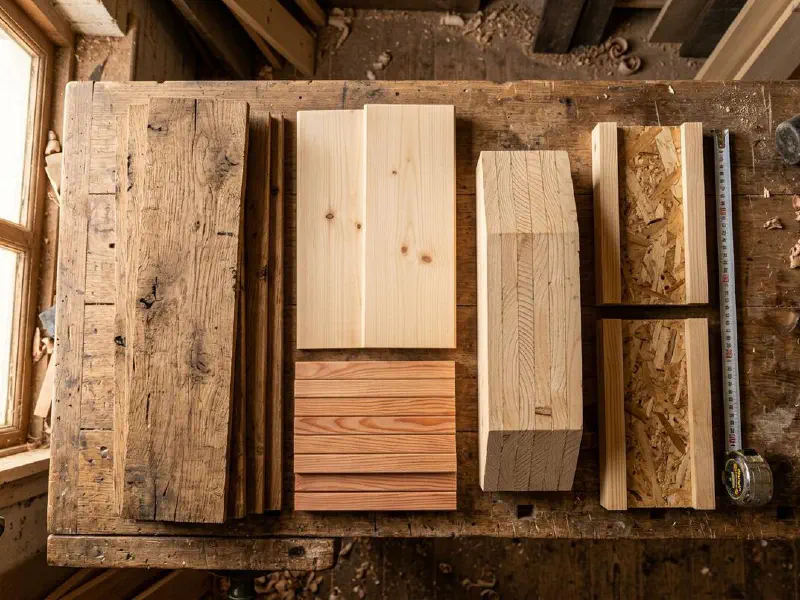
Fixings for timber and engineered board
Timber is straightforward compared to masonry, but pilot holes are the difference between a clean job and split wood, snapped screws, and callbacks.

Pilot hole rules
Softwood: Pilot hole = half the thread diameter. For screws under gauge 6 in softwood, a bradawl mark is usually sufficient. For larger screws, always drill.
Hardwood: Pilot hole = three-quarters of the thread diameter. Always drill. Always. Hardwood will snap screws and split if you try to force them in without a pilot.
Coach screws: M6 needs a 3mm pilot in softwood, 4.5-5mm in hardwood. M8 needs a 4mm pilot in softwood, 6mm in hardwood. M10 needs a 5mm pilot in softwood, 7mm in hardwood.
Screw types for timber
General-purpose wood screws (Goldscrew, Spax, Reisser): Coarse thread for softwood, fine thread for hardwood and sheet materials. Torx (star) drive heads are increasingly preferred over Pozi because they cam out less.
Coach screws: Hex-head heavy-duty screws for structural timber connections. Available from M6 to M16. Driven with a socket or impact driver.
Ring-shank nails: For decking and flooring where withdrawal resistance matters. The rings grip the timber fibres and prevent the nail working loose over time.
Chipboard screws: Twin-thread design for MDF, chipboard, and plywood. The twin thread reduces splitting in manufactured boards.
Wax your screws in hardwood
Rub screws across a block of beeswax before driving them into hardwood. The lubrication dramatically reduces torque and prevents snapping. This is especially important for brass screws in oak, where the combination of hard wood and soft metal is a recipe for sheared heads.
Fixings for steel and metal
Steel connections divide into two categories: light-gauge sheet metal (roofing, cladding, ductwork) and structural steel (beams, columns, frames).
Self-drilling Tek screws
The workhorse of metal-to-metal and metal-to-timber fixing. Tek screws have a drill-tip that bores through the steel and a thread that cuts its own thread as it goes. No pilot hole needed. Light-duty Tek screws handle sheet up to 2mm; heavy-duty hex-head Tek screws handle up to 18mm steel.
Wing-tip Tek screws
For timber-to-steel connections (fixing timber battens to steel purlins, for example). The wing strips away as it hits the metal, preventing the timber thread from engaging until the screw is fully through the steel. This pulls the timber tight to the steel without jacking.
Structural bolts
For steel-to-steel structural connections, use Grade 8.8 or 10.9 high-tensile bolts with matching nuts and washers. These are specified by the structural engineer and torqued to precise values. Do not substitute lower-grade bolts.
Chemical anchors vs mechanical fixings
This is one of the most common questions on UK trade forums. Both systems have their place, and choosing the wrong one costs time and money.

| Factor | Chemical Anchors | Mechanical Fixings |
|---|---|---|
| Load capacity | Very high (up to 80kN+) | Moderate to high (up to 20kN) |
| Installation speed | Slow (drill, clean, inject, wait) | Fast (drill, insert, tighten) |
| Immediate loading | No (cure time 20 min to 24 hrs) | Yes (immediate) |
| Cost per fixing | £3-8 per anchor point | £0.50-3 per anchor |
| Edge distance | Low (no expansion stress) | High (expansion can crack edge) |
| Cracked concrete | Works well | Some types fail |
| Vibration resistance | Excellent | Can loosen over time |
| Removability | Permanent | Most are removable |
Use chemical anchors when: you need maximum load capacity, the substrate is cracked or low-strength, fixings are close to an edge, the application involves vibration, or you are fixing into aerated concrete under heavy load.
Use mechanical fixings when: you need speed, immediate loading is required (cannot wait for cure), the fixing may need to be removed later, budget is tight, or conditions are too cold for resin to cure (below 5°C for most products).
Chemical anchor pitfall: dirty holes
The number one cause of chemical anchor failure is inadequate hole cleaning. Resin does not bond to dust. Every hole must be brushed with a wire brush (minimum 4 passes) and blown out with a hand pump (minimum 4 pumps). The manufacturers are not joking about this. A dirty hole can reduce bond strength by 50% or more. Budget the time for proper preparation or do not use chemical anchors at all.
Choosing the right material: corrosion and outdoor use
Using the wrong screw material outdoors is a slow-motion callback. Zinc-plated screws start rusting within months of exterior exposure. The brown streaks down white render are impossible to miss and impossible to fix without replacing every screw.
Corrosion protection levels
Zinc plated / BZP (bright zinc plated): Interior use only. The zinc layer is extremely thin (5-8 microns). Outdoor life: months, not years.
Yellow passivated: Slightly better than plain zinc (thicker chromate layer) but still interior-only for any serious application.
Hot-dip galvanised: Five times the zinc thickness of electroplated (typically 40-85 microns). Suitable for most outdoor structural applications away from the coast. Good for 15-25 years in normal UK conditions.
A2 stainless steel (304 grade): The standard for exterior fixings in the UK. Excellent resistance to rain, moisture, and general weathering. Will not rust in normal British conditions. 25+ year life expectancy.
A4 stainless steel (316 grade): Marine grade. Essential within 5km of the coast, in swimming pool environments, or where salt spray or chemical exposure is present. Significantly more expensive than A2 but irreplaceable in harsh environments.
Galvanic corrosion: the hidden trap
When two different metals are in contact with moisture, the less noble metal corrodes faster. This catches out tradespeople who use steel screws with aluminium or copper. The classic example: steel screws in a copper pipe clip. Within a year, the screws are corroded beyond use. Always use stainless steel fixings when fixing to or near copper, aluminium, or zinc-coated steel.
Treated timber is another source of galvanic corrosion. Modern preservative treatments (particularly copper-based UC4 treatment) attack ordinary zinc-plated and even hot-dip galvanised screws. Use stainless steel or specifically rated "treated timber compatible" screws for any decking, fencing, or external timber work.
The wall plug and drill bit size chart
This is the reference table every tradesperson needs on their phone. Wall plug colours are broadly standardised across UK manufacturers, though there can be slight variations between brands.

| Plug Colour | Drill Bit | Screw Gauge | Plug Length | Typical Use |
|---|---|---|---|---|
| Yellow | 5mm | No.4-8 (3-4mm) | 20-25mm | Light pictures, small hooks |
| Red | 5.5-6mm | No.6-10 (3.5-5mm) | 25-30mm | Shelves, brackets, most jobs |
| Brown | 7mm | No.10-14 (5-6mm) | 30-35mm | Heavy shelves, rails, cabinets |
| Blue | 10mm | No.14-18 (6-8mm) | 40-50mm | Very heavy items, structural |
| Grey | 12mm | No.18+ (8-10mm) | 50-60mm | Heavy structural, outdoor |
Quick rule of thumb
The drill bit should match the plug diameter exactly. The screw should be fat enough to expand the plug but not so fat it splits it. If in doubt, go one screw gauge smaller rather than one larger. A slightly loose screw in a well-seated plug holds better than an oversized screw in a cracked plug.
What fixings actually cost in 2026
Prices from Screwfix and Toolstation, March 2026. All prices include VAT unless noted.
The biggest cost is not the fixings themselves, it is the callbacks from using the wrong ones. A box of GripIt fixings for a TV mount costs £15. A callback to re-mount a TV that fell off a plasterboard wall costs half a day plus materials plus reputation damage. Spend the extra pound on the right fixing first time.
The 10 most common fixing mistakes
These come up on every trade forum, every Screwfix Community thread, and every apprentice's first week on site. Avoid all ten and you will never have a fixing-related callback.
1. Using masonry plugs in plasterboard. They feel tight going in. They are not. They will fail under any real load. Use proper plasterboard fixings.
2. Overloading a single fixing point. Spread heavy loads across multiple fixings. A single fixing in plasterboard tops out at about 20kg safely, regardless of what the packaging claims.
3. Wrong drill bit size. Oversized holes mean loose plugs with zero grip. The drill bit should match the plug diameter exactly. Check by holding the plug against the drill bit; they should be the same thickness.
4. Skipping pilot holes in hardwood. You will snap screws, split timber, and damage the workpiece. Three-quarters of the thread diameter, every time.
5. Not cleaning chemical anchor holes. Dust kills resin bond strength by up to 50%. Four passes with a wire brush, four pumps with a blow-out pump. No shortcuts.
6. Treating all blockwork the same. Aerated concrete looks similar to dense block but holds fixings 98% worse. Always drill a test hole to identify the material.
7. Using zinc-plated screws outdoors. They will rust within months. Use hot-dip galvanised minimum, stainless A2 for any serious exterior work.
8. Steel fixings in contact with copper. Galvanic corrosion will destroy the fixing within a year. Use stainless steel near copper pipes, flashing, or any dissimilar metal.
9. Anchor bolts too close to edges. Expansion anchors placed less than 5 anchor diameters from an unsupported edge can crack the concrete or masonry. Always check edge distance.
10. Not checking plasterboard thickness. Load ratings assume 12.5mm board. On 9.5mm board, every fixing holds significantly less. Older properties especially may have thinner board.
Digital tools and apps for fixing selection
The brief for this article mentioned "MaterialAnalyzer" and "LoadCalc" as AI tools for fastener selection. Neither exists as a real product. But several genuinely useful digital tools do exist, and some use AI.
Fischer PRO App (iOS and Android, free): The most practical tool for tradespeople. Enter your substrate type, what you are mounting, component dimensions, and required load. It tells you exactly which Fischer fixing to use, calculates quantities, and links to your nearest stockist. Also includes a barcode scanner for identifying products in-hand and a mortar quantity calculator for chemical anchors.
Hilti PROFIS Engineering (web-based, free standard version): Professional anchor design software for engineers and specifiers. Designs post-installed and cast-in-place anchors with full stress and strain checks including seismic and fire loading. Overkill for most trade work but invaluable if you work on commercial or structural projects.
Rawlplug EasyFix (web-based): Professional calculation program for designing fixing systems. Adapted to current UK design standards. Includes a fixing selector with filtering by substrate, application, and environmental conditions.
Screw Identifier App (iOS and Android): Uses AI image recognition. Point your phone camera at any screw, bolt, or nut and it identifies the type, size, thread pitch, head type, material, and finish. Handy when you find mystery fixings on site and need to match them.
Fixings in action
How to Fix into Plasterboard: Complete Guide
Charlie DIYte
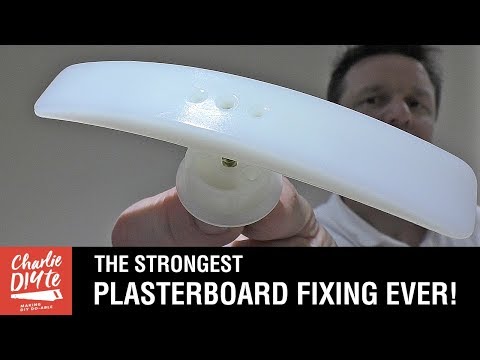
The Strongest Plasterboard Fixing Ever!
Charlie DIYte
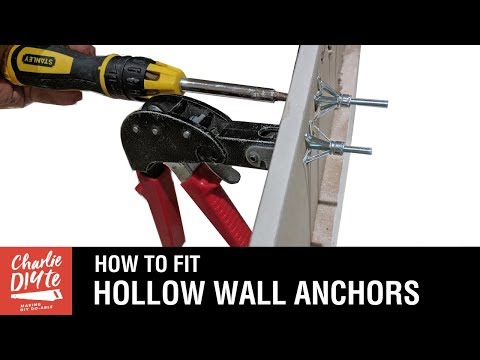
How to Fit Hollow Wall Anchors
Charlie DIYte
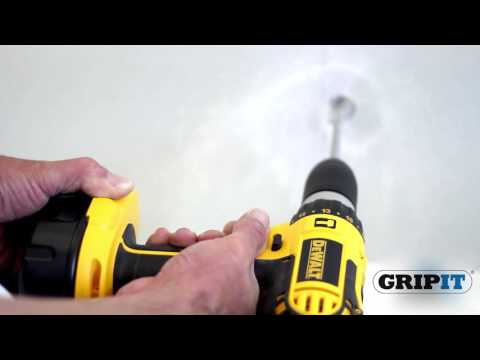
How to Install a GripIt Fixing
IronmongeryDirect
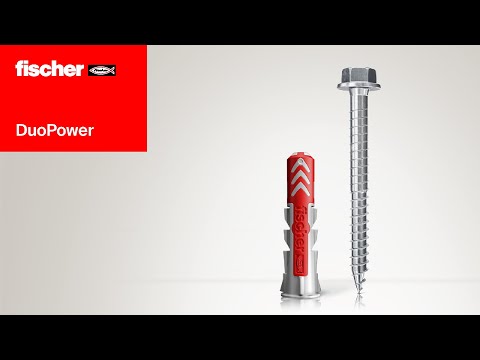
DuoPower: Fixing in All Building Materials
Fischer Group International
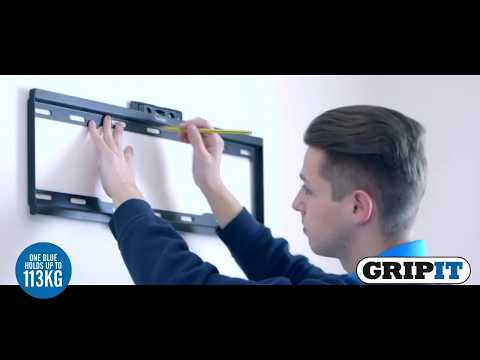
GripIt Blue: Fixing TVs to Plasterboard
Gripit Fixings

How to Install Masonry Fixings
Bunnings Warehouse

How to Use a Concrete Screw
Essve International
What tradespeople are saying
Frequently asked questions
In solid brick, a standard red wall plug (5.5mm) with a No.8 screw typically holds 20-30kg per fixing. Fischer DuoPower red plugs hold slightly more at 0.40kN (about 40kg) recommended load in solid brick. Always use multiple fixings to spread heavy loads rather than relying on a single point.
Yes, but only with the right fixings. Standard wall plugs will fail. Use GripIt Blue fixings (rated 113kg each) or SnapToggle anchors for TVs up to about 30kg. For heavier TVs or full-motion mounts, fix through the plasterboard into timber studs using coach screws. Four GripIt Blue fixings in 12.5mm plasterboard can safely support a 50-inch TV on a fixed bracket.
A2 (304 grade) is the standard exterior stainless steel, suitable for most UK outdoor applications. A4 (316 grade) is marine-grade stainless, essential within 5km of the coast or in environments with salt spray, chlorine, or harsh chemicals. A4 costs roughly 30-50% more than A2 but is the only option in corrosive environments. For inland exterior work, A2 is perfectly adequate and represents the best balance of cost and longevity.
Aerated concrete blocks (Thermalite, Celcon) are far too soft for standard expansion plugs. The material crumbles rather than gripping. Use specialist aircrete fixings such as Fischer Aircrete Anchors, twist-in fixings, or chemical resin anchors for heavier loads. A standard plug that holds 400kg in concrete holds only about 5kg in aerated concrete.
For screws under gauge 6 in softwood, a bradawl mark is usually sufficient. For anything larger, a pilot hole at half the thread diameter reduces splitting risk and makes driving much easier. In hardwood, always drill a pilot hole at three-quarters of the thread diameter, regardless of screw size. Skipping pilot holes in hardwood is the number one cause of snapped screws and split timber.
Yes. The Fischer PRO app (free, iOS and Android) is the most practical option. Enter your substrate type, load requirements, and mounting details and it recommends the right Fischer product. Hilti PROFIS Engineering (free web version) handles complex structural calculations. The Screw Identifier app uses AI image recognition to identify unknown fixings from a photo. All three are genuinely useful on site.
Our Verdict
Fixings are not glamorous. Nobody brags about their wall plug collection. But wrong fixing selection is responsible for more callbacks, more cracked render, more fallen shelves, and more angry customers than almost any other trade mistake. The good news: it is completely avoidable. Learn the material, pick the right fixing, use the right drill bit, and clean the hole. That is it. Four steps between you and zero fixing-related callbacks.
Most versatile fixing: Fischer DuoPower. Works adequately in brick, plasterboard, aerated concrete, and timber. Not the best in any single material, but the best all-rounder for mixed van stock.
Best plasterboard fixing: GripIt Blue for heavy loads (113kg rated). Spring toggles for medium loads at lower cost.
Best value: Easyfix wall plugs at £0.99 per 100 for basic masonry work. Trade wood screw tubs for high-volume timber fixing.
Best app: Fischer PRO (free). Genuinely useful substrate-to-fixing matching on your phone.