
Quick Answer
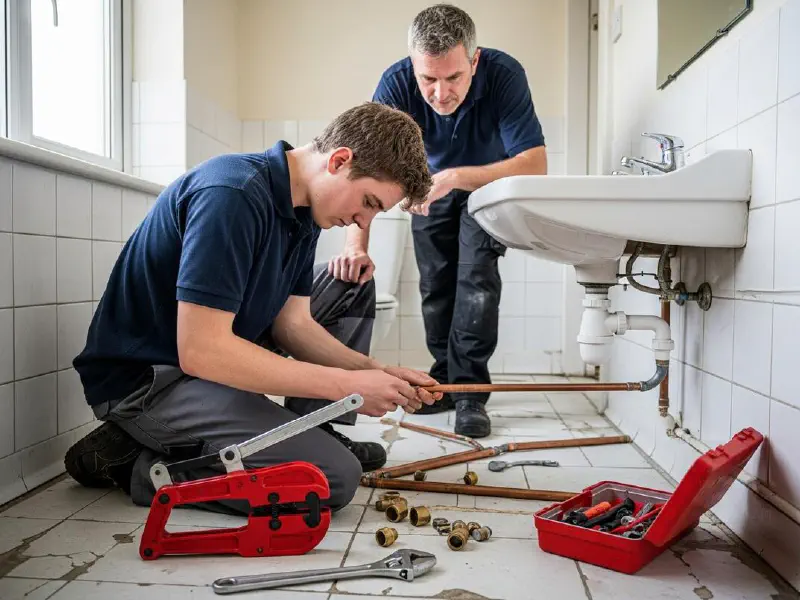
Three green certifications are worth the spend in 2026: heat pump installer (Level 3, around £500 with the Heat Training Grant), solar PV installer (Level 3 LCL Awards, around £595 plus VAT) and EV charge point installer (City & Guilds 2921, around £369 to £445 inc. VAT). Heat pump engineers earn £7,000 to £10,000 a year more than standard plumbers. EV installers can clear £800 to £1,500 per domestic wallbox. Solar pays the slowest but pairs best with battery and EV work for a complete retrofit offer. The combined cost to qualify for all three sits around £1,500 once grants apply. Pay it back in three to four months of work.
Table of Contents
- Why green skills, why now
- Heat pump engineer: the £42,000 baseline
- Solar PV installer: the slower payback
- EV charge point installer: the fastest job ticket
- ROI compared: which certification pays back fastest
- Funded routes: grants that cover most of the bill
- AI-powered personalised learning paths
- Common mistakes when investing in green skills
- What tradespeople are saying
- Recommended videos
- Frequently asked questions
- My verdict
Why green skills, why now

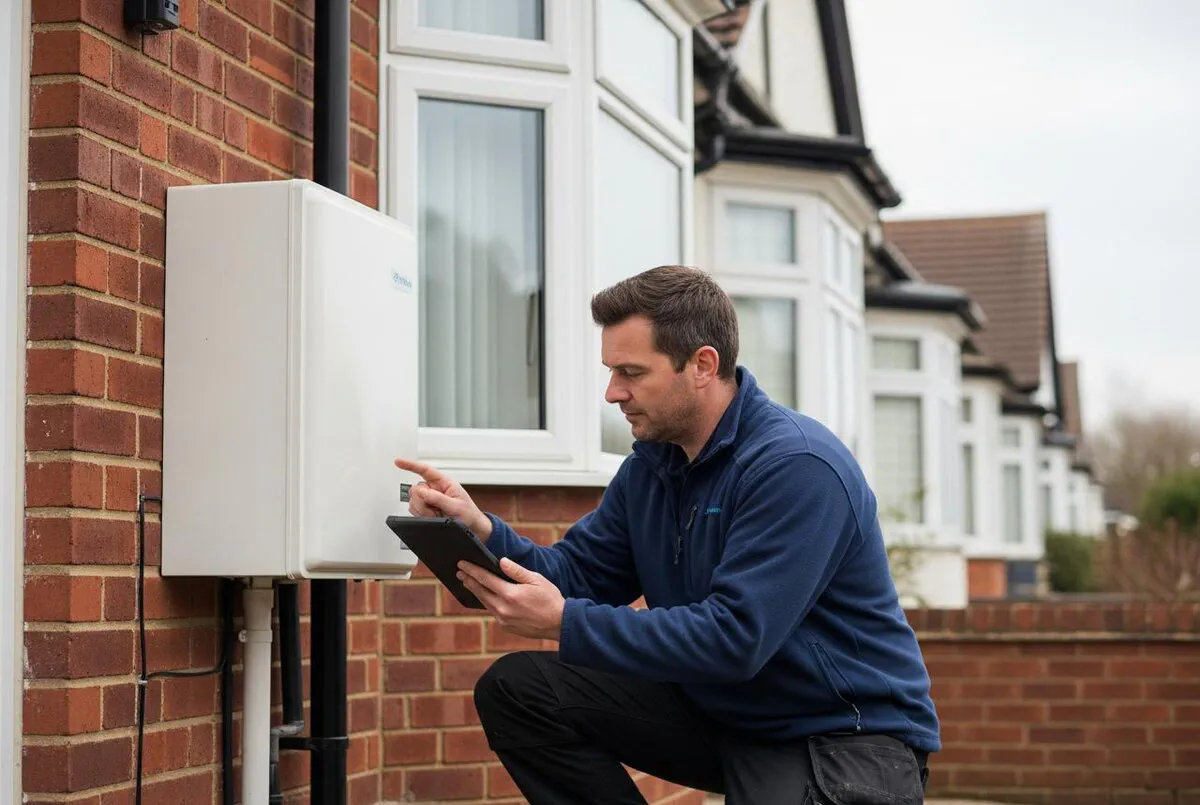
The numbers tell the story. England has roughly 3,500 MCS-certified heat pump firms. The long-term need is closer to 30,000. From October 2026 the Electrotechnical Assessment Specification (EAS 2024) makes the Level 3 EV award a legal requirement for new charge point work, and the government has booked £400 million into the Boiler Upgrade Scheme for 2026-27. There is a clear gap between what customers want and what the trade can deliver.
This article is about the three green certifications I think are worth the money in 2026: heat pumps, solar PV, and EV charging. I am not going to pretend every renewable course is a winner. Some are expensive, some are slow to pay back, and some only matter if you already have the right base qualifications. But for any UK plumber, gas engineer, or electrician looking to add a high-margin specialism to a steady book, one of these three should be on your shortlist.
I will cover the real course costs, the realistic day rates, and the grants that bring the price down. I will also talk about the AI-powered learning paths that are starting to replace the one-size-fits-all classroom model. By the end you should know which certification fits your starting point and how long it takes to pay back.
Heat pump engineer: the £42,000 baseline
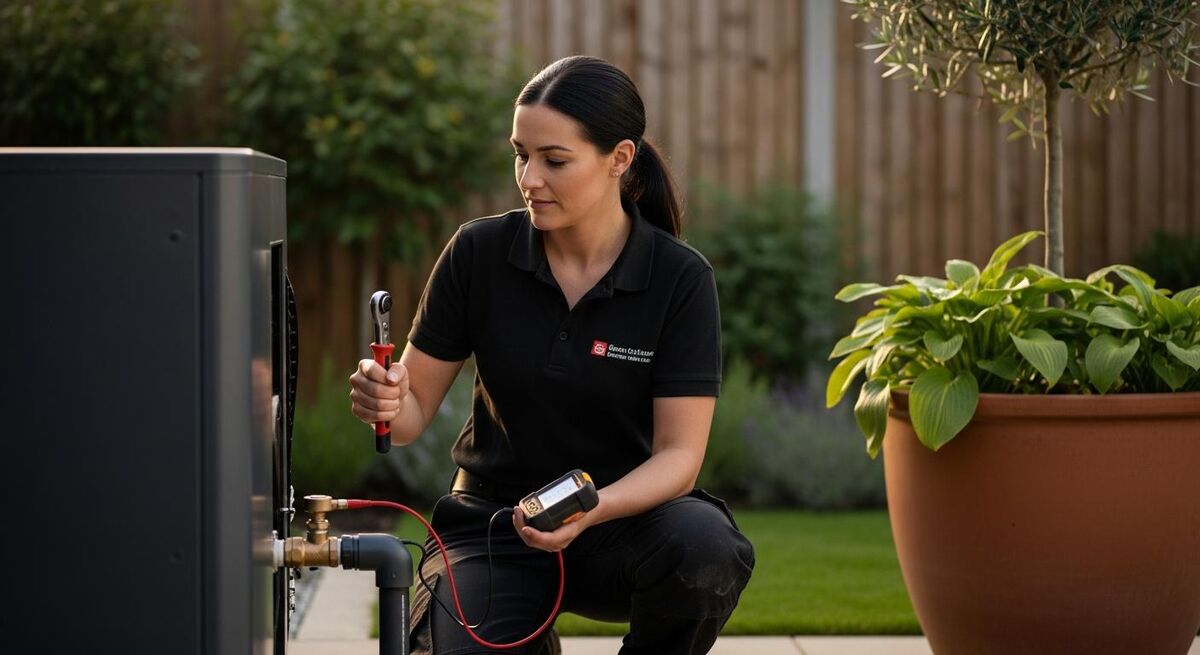
Heat pump training is the biggest commitment of the three. It is also the one with the steadiest pipeline of work behind it. The MCS Heat Pump Installer route requires a Level 3 qualification in Air Source Heat Pumps and a Level 3 qualification in Low Temperature Heating Design. Most engineers also take the G3 unvented hot water course if they have not already.
A typical MCS-recognised Level 3 heat pump training course runs around £500. Domestic Hot Water Storage Systems (G3) sits at about £288 for a single day. Low Temperature Hot Water Heating Systems comes in at around £474 over two days. Total taught costs land somewhere between £500 and £1,500 depending on what you already hold.
That is the training. MCS certification itself is the bigger commitment. Initial MCS certification costs £500 to £1,500 and takes six to twelve weeks. You need documented procedures, a qualified person on the books, and a successful site assessment. From 2026 you also need a six-year warranty backed by an Insurance Backed Guarantee provider for every install.
The payoff is the day rate. Average heat pump engineer salary in the UK now sits around £42,727 a year according to Indeed data from March 2026. An MCS-certified installer typically earns 30 to 50 per cent more per hour than a standard plumber. Self-employed engineers running their own limited company often clear £76,000 a year. The Boiler Upgrade Scheme grant of £7,500 (rising to £9,000 for off-gas-grid properties from July 2026) sits behind every domestic installation and keeps the demand pipeline full.
Solar PV installer: the slower payback
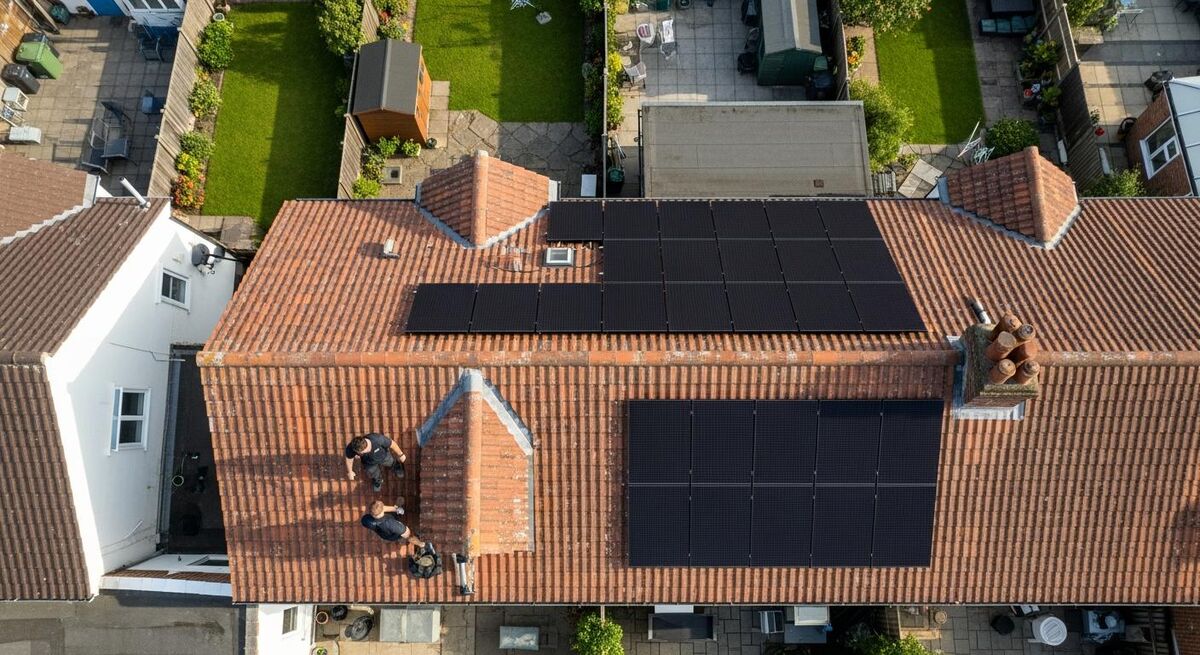
Solar PV used to be the gold rush certification. It is not any more. But it is still worth the spend if you already work in electrical and want to offer customers a proper renewable package rather than just panels.
The standard qualification is the LCL Awards Level 3 Award in the Installation and Maintenance of Small Scale Solar Photovoltaic Systems. Course costs vary by provider. A three-day standalone solar PV course runs around £595 plus VAT. Combined solar plus battery storage courses (a sensible pairing) cost £925 plus VAT and cover both the LCL Award and the Electrical Energy Storage Systems qualification.
If you want to claim Smart Export Guarantee payments for your customers, or get them access to any future government incentive, you need MCS certification on top of the qualification. That adds the same £500 to £1,500 setup and the same documented procedures as the heat pump route.
The earning argument for solar is less clean than heat pumps. Panels are commoditised, customers shop on price, and the cheaper end of the market is dominated by national installers with subcontracted labour. Where solar pays well is when you bundle it with battery storage, EV charging, and existing electrical work. That is a complete retrofit offer that the average national installer cannot match on the ground.
EV charge point installer: the fastest job ticket
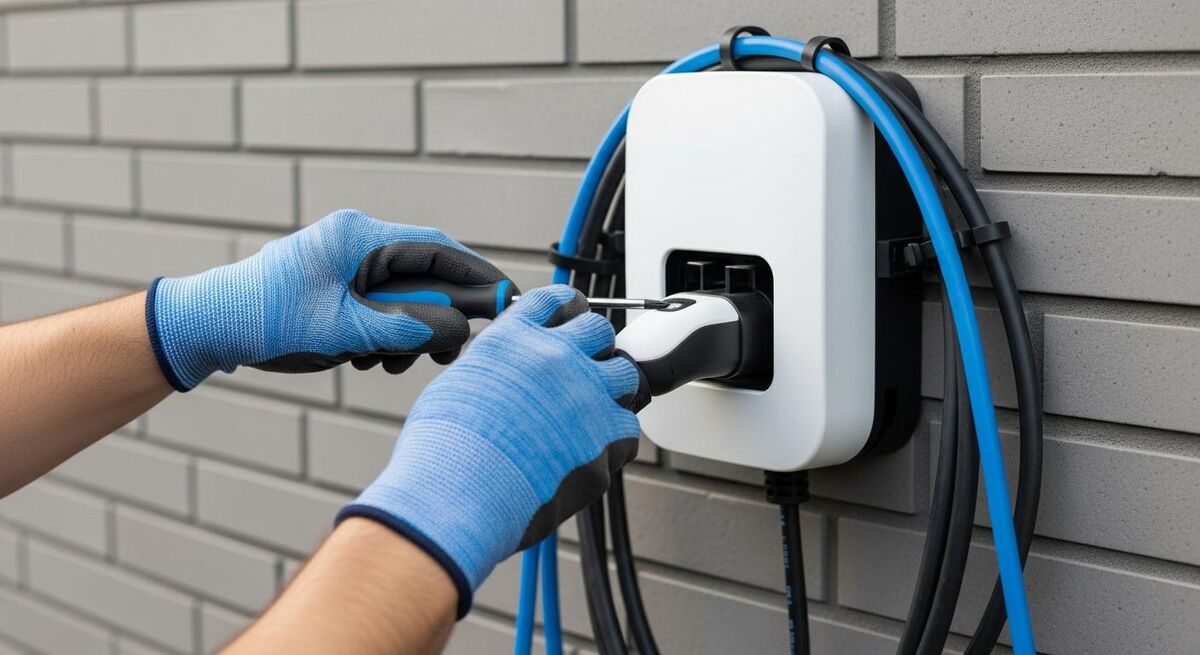
EV is the simplest of the three to qualify in. It is also the one with the deadline that forces the issue. The current standard is the City & Guilds 2921-34 Level 3 Award in the Design and Installation of Domestic and Small Commercial Electric Vehicle Charging Installations. The older 2919 award is still recognised but new entrants should take the 2921.
Course cost is the headline. Two days, £369 inc. VAT at one provider, £445 plus VAT at another. Compared to heat pump training, EV is the cheapest entry by quite some margin. The prerequisite is the bigger commitment: you need a Level 3 electrical qualification (the C&G 2365 or equivalent) and a current 18th Edition certificate.
The deadline matters. From October 2026 the EAS 2024 makes the Level 3 EV award a legal requirement for individual installer competence on new charge point work. Around 90 per cent of EV charger job adverts now require the Level 3 qualification specifically, not just general electrical competence. If you are an electrician planning to keep doing EV work, this is not optional.
The earnings are strong. Domestic 7kW wallbox installations price at £800 to £1,500 per job. A competent installer can fit one or two a day. EV charging specialists working as employed electricians earn £40,000 to £60,000 for combined domestic and commercial work. The OZEV grant scheme rebate gives qualified installers £200 to £300 per eligible job on top of the price.
ROI compared: which certification pays back fastest
I want to be plain about this. The right certification depends on what you already do. A gas engineer should look at heat pumps first. A Level 3 electrician should look at EV first. A plumber with electrical experience can stack all three. But here is the comparison side by side.
| Certification | Course cost | Cost after grant | Average earnings uplift | Payback time |
|---|---|---|---|---|
| Heat pump (Level 3) | £500 to £1,500 | Around £0 to £500 with Heat Training Grant | £7,000 to £10,000 a year vs standard plumber | Under one month of work |
| Solar PV (LCL Level 3) | £595 plus VAT (standalone) | No equivalent national grant | £3,000 to £6,000 a year (paired with battery) | Two to three months |
| EV (C&G 2921-34) | £369 to £445 inc. VAT | Some manufacturer-funded routes | £200 to £300 per job on OZEV-eligible work | Two to three jobs |
| All three combined | Around £1,800 to £2,500 | Around £1,300 to £2,000 net | £10,000 to £18,000 a year combined | Three to four months |
EV charging pays back the course fee in two to three jobs. That is the fastest return on paper. Heat pumps pay back the slowest at the course level but deliver the biggest annual earnings uplift. Solar sits in the middle and only really makes sense bundled with the other two.
Funded routes: grants that cover most of the bill
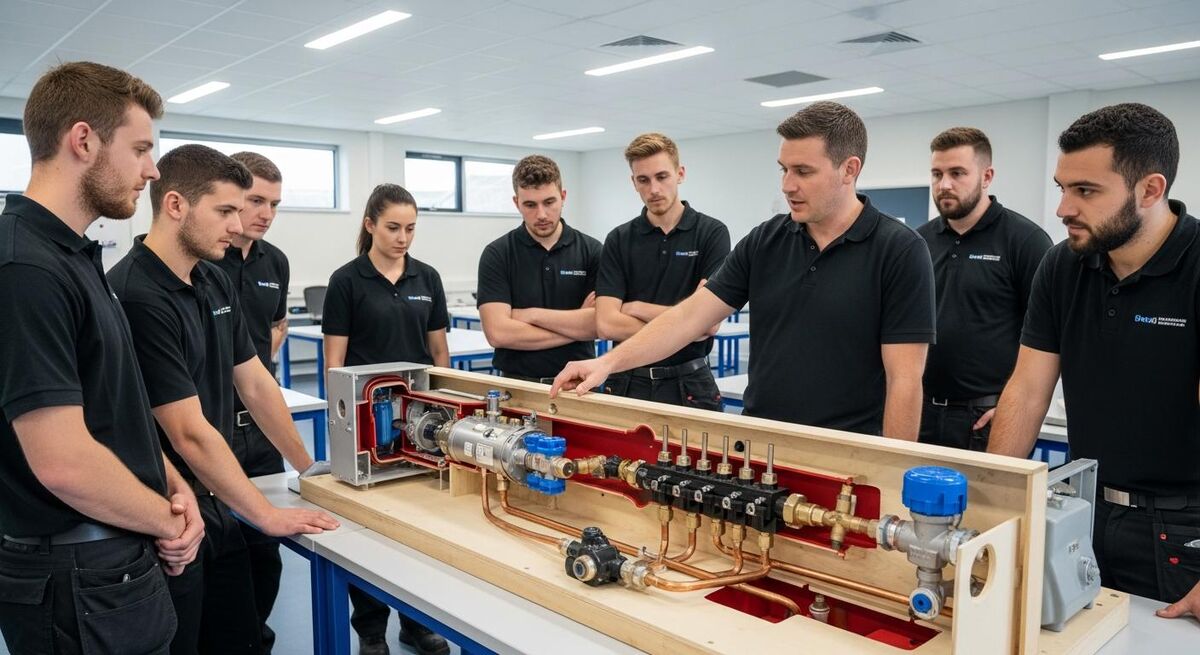
Green skills training has more grant money behind it than any other area of trades training in 2026. Here are the ones that matter.
Heat Training Grant. £500 per engineer towards approved heat pump training courses. The total pot is £5 million, supporting 10,000 trainees over two years. You need to work for a business of 250 or fewer staff, be a sole trader, or be unemployed. Government detail here.
MCS Certification Fund. Run by the Energy Saving Trust. Covers 75 per cent of MCS certification fees, capped at £1,000 per installer. Available until March 2027 or until the budget runs out. This is for the certification itself, not the course. Details from Energy Saving Trust.
CITB Apprenticeship Grants. If you are taking on an apprentice rather than training yourself, the CITB grant pays £2,500 per year of attendance and £3,500 on completion. In 2025-26 CITB paid out £68 million across 30,837 apprentices for over 10,000 construction employers. We have a full CITB and Skills Bootcamps guide here.
Manufacturer-funded routes. Worcester Bosch, Vaillant, Baxi, and Ideal Heating all run their own heat pump academies. Some offer free or reduced training for engineers committing to install their kit. Worcester Bosch detail their requirements here. Same applies for some EV brands, including Wallbox and Easee.
Boiler Upgrade Scheme indirect benefit. Not a training grant, but the £7,500 grant per heat pump install (rising to £9,000 for off-gas-grid properties from July 2026) is what makes the demand pipeline real. Without BUS, the heat pump route is much harder to justify.
AI-powered personalised learning paths
The classroom model of trades training is starting to break. Two-day intensives work for the practical assessments, but the theory and the post-course revision are where most engineers struggle. This is where AI is changing the picture.
MCS launched its own interactive learning platform in 2025, with a redeveloped installer scheme rolling out across 2026. The point is to give installers a personalised path through the theory based on what they already know. If you already have G3 and unvented experience, the system skips you past those modules.
The bigger shift is happening outside the awarding bodies. Vaillant, Worcester Bosch, Baxi, and Ideal Heating all now run training academies with on-demand modules and AI-driven quiz feedback. The Ideal Expert Academy in particular has invested heavily in this. The model is simple: you take a baseline assessment, the system identifies your gaps, and it builds you a custom plan that focuses on the areas you actually need to learn.
For sole traders this matters more than for employed engineers. You do not have a manager scheduling your CPD. You do not have a senior engineer to ask. An AI-led platform gives you the same structured pathway a big firm would build internally. It is not perfect, and it does not replace the practical assessment. But for theory revision and continuing professional development, it is a real step forward.
Common mistakes when investing in green skills
I have seen plenty of engineers waste money on the wrong training. Here are the patterns that come up again and again.
Paying for a course before checking the grant. The Heat Training Grant is paid through the training centre, not as a rebate. If you pay full price and then try to claim, you have missed the window. Always check the centre is registered as a grant-eligible provider before you book.
Buying the qualification without the MCS plan. The Level 3 heat pump qualification on its own does not let you install for BUS-eligible jobs. You need MCS certification on top, which is six to twelve weeks and £500 to £1,500. If you cannot commit to that, the qualification alone gives you very little.
Going solo on solar without battery training. Standalone solar PV is a price-led market dominated by national installers. The margin sits with the bundle. Skipping the battery storage qualification leaves you competing on price for jobs you cannot win.
Taking the 2919 instead of 2921 on EV. The 2919 is still recognised, but the 2921-34 is the current standard. New entrants should always take 2921. Some training centres still push 2919 because they have legacy assessor accreditation. Ask for the 2921.
Not budgeting for the warranty. From 2026 heat pump installs need an Insurance Backed Guarantee for the six-year warranty. This is an ongoing cost most engineers forget when costing up their first jobs. Build it into your price from day one.
Ignoring the customer-facing side. Qualified is not the same as bookable. Getting on the MCS installer database is the start. Customers find you through Google, Checkatrade, and word of mouth. The certification gets you the right to do the work; your marketing decides whether anyone calls.
What tradespeople are saying
Recommended videos

How heating engineers can train to install heat pumps
Nesta
Heat pumps upskilling course
Energy Saving Trust
Baxi air source heat pump training courses
Baxi

How Ideal Heating's Expert Academy powers UK heat pump training
HVAC Education Hub

Solar PV and battery storage overview
The Energy Training Academy
Electric vehicle charging course UK
Learn Trade Skills

How to install an EV charging post: step by step
City and Guilds Training - Electrical

Qualified to install solar panels? UK renewables
Adam Dunlop Electrical
Frequently asked questions
Legally, no. Practically, yes if you want any of the Boiler Upgrade Scheme work. BUS funding only goes to MCS-certified installs. Without MCS you are competing for private-pay customers only, which is a much smaller market.
Six to twelve weeks from application to certification. You need documented procedures, a qualified person on the books, and a successful site assessment. Budget £500 to £1,500 in fees on top of your training costs.
The 2919 is still recognised under EAS 2024 as of March 2026. New entrants should take the 2921-34, which is the current standard. Anyone holding 2919 from before the change does not need to retake.
£500 off approved heat pump training courses. Claimed through the training provider, not directly. You qualify if you work for a business of 250 or fewer staff, are a sole trader, or are unemployed. Ask the training centre to confirm they are a grant-eligible provider before booking.
Yes, but your customers cannot claim Smart Export Guarantee payments and you cannot access any current or future government incentive. For most domestic work that makes MCS a must-have, not a nice-to-have.
EV charging by some margin. Course cost around £400 inc. VAT, and you can pay it back in two or three domestic wallbox jobs. Heat pumps deliver the biggest annual earnings uplift but take longer to recoup the full setup cost including MCS.
Not on the short course route. You need a Level 3 electrical qualification (City and Guilds 2365 or equivalent) plus the 18th Edition as a prerequisite for the 2921. Without those, the EV course is not open to you.
For product-specific commissioning and warranty work, yes. For the underlying Level 3 qualification, you still need an accredited centre. The best route is to do the Level 3 with an accredited provider, then add manufacturer-specific training on top for the brands you actually install.
My verdict
If you are an existing gas engineer or plumber, heat pumps first. The Heat Training Grant covers most of the course, the Boiler Upgrade Scheme guarantees demand, and the earnings uplift is the biggest of the three. If you are a Level 3 electrician, EV first because of the October 2026 deadline. Add solar plus battery as the natural pair. Done in the right order, all three certifications together cost under £2,000 net of grants and pay back inside four months. That is the cheapest specialism investment in the trades right now. Do not pay full price, do not skip the grants, and do not buy the qualification without the MCS plan to back it up.
Related reading from the academy on workforce and apprenticeships: attracting young people to the trades, what Gen Z expect from trade employers, and employment law for trades. For deeper grant detail, our CITB grants guide covers the funded routes in full.