
Quick answer
The UK has 3,000 to 4,000 qualified heat pump installers and needs roughly 10,000 a year to hit the 2028 target of 600,000 annual installations. The shortage now stretches across heat pumps, solar PV, battery storage, EV charging, retrofit coordination, and PAS 2030 insulation work. The five certifications most worth chasing in 2026 are MCS heat pump (Level 3 Air Source plus Low Temperature Design), City and Guilds 2921 EV charging, City and Guilds 2922 solar PV, City and Guilds 2923 battery storage, and the PAS 2035 Retrofit Coordinator qualification. From October 2026 the Electrotechnical Assessment Specification makes these Level 3 routes mandatory for any electrician self-certifying low carbon work. Get one of them and your hourly rate goes up. Get three and you become unavoidable to letting agents, housing associations, and ECO contractors.
Table of contents
- The numbers behind the shortage
- What changed in 2026 and why it matters
- Certification 1: MCS heat pump installer
- Certification 2: City and Guilds 2921 EV charging
- Certification 3: City and Guilds 2922 solar PV
- Certification 4: City and Guilds 2923 battery storage
- Certification 5: PAS 2035 Retrofit Coordinator
- How AI is changing the way trades learn
- Stacking certifications for the strongest return
- What tradespeople are saying
- Recommended videos
- Frequently asked questions
- My verdict
The numbers behind the shortage
The green skills gap stopped being an abstract climate worry a while back. It is now the single biggest constraint on growth for thousands of UK trade businesses. The Heat Pump Association reckons we need to train around 10,267 new heat pump installers every year between now and 2028 to hit government targets. We are nowhere near that. Last year the actual training output was 9,062, and of those only a fraction went on to complete a real installation within twelve months.
And so the picture across the rest of the low carbon stack is much the same. The Construction Industry Training Board projects the UK needs 73,700 new plumbers by 2032 just to maintain decarbonisation work. The average UK gas engineer is over 50. Sixty percent of the Gas Safe register is over 35. Two-thirds of installers, according to a government Heating and Cooling Installer Study, are over 45. The workforce is ageing out faster than we can replace it.
Survey data from City Plumbing puts hard numbers on installer sentiment. Only 18 percent of installers currently fit heat pumps. Just 6 percent are MCS certified. Forty-four percent do not know where to go for training. And yet 49 percent say they would consider becoming MCS certified if a local course existed. The interest is there. The access is not.
For a small business owner who has watched margins squeezed by the cost of labour and materials, this is the most positive market signal in years. The customer is there. The work is there. The government grants are there. What is missing is the certified body holding a torque wrench. If you are that person, the next three years are going to be very kind to you.
What changed in 2026 and why it matters
Three regulatory shifts have moved green certifications from a nice-to-have to a hard prerequisite for paid work.
The first is the Warm Homes Plan, launched in January 2026 by the Department for Energy Security and Net Zero, with a £15 billion budget and a target of upgrading up to 5 million homes by 2030. That is contractor work, paid through ECO and the Boiler Upgrade Scheme, but only available to firms that are PAS 2030 and TrustMark certified. If you are not in that pipeline, the money goes elsewhere.
The second is the formal withdrawal of PAS 2035 and PAS 2030:2019 in March 2025. From that date only the 2023 versions are valid for any retrofit work funded by public schemes. The 2023 standard is stricter on digital compliance and ties installer evidence more tightly to PAS 2035 design assessments. If your certificate still reads 2019, your insurer and your scheme provider will both have questions.
The third is the new Electrotechnical Assessment Specification. From October 2026, stricter qualification requirements come in for the four low carbon categories of EV charging, solar PV, battery storage, and micro wind. Each one needs a specific Level 3 qualification before you can self-certify notifiable electrical work in that area. The two-day weekend course no longer cuts it.
Certification 1: MCS heat pump installer (the headline shortage)
This is the certification with the loudest demand signal. The numbers are stark. Around 9,000 trained installers exist. Around 1,500 are actively MCS certified. The Heat Pump Association estimates the long-term need is 30,000. The Climate Change Committee target is 450,000 installations a year by 2030, rising to 1.5 million by 2035. The gap between supply and demand is wider than for any other trade qualification in the UK.
To install heat pumps under MCS, you need a Level 3 in Air Source Heat Pump Installation, Commissioning and Servicing, plus a Level 3 in Low Temperature Heating and Hot Water System Design. You also need to meet the MCS 025 competency standard, sit under an umbrella MCS scheme or carry your own MCS membership, and have your design and installation paperwork audited within twelve months of your first job. Most experienced gas or heating engineers complete the technical training in three to five days.
The Heat Training Grant covers up to £500 of course costs through to at least March 2026. Course providers including Logic4Training, GTEC, BPEC, Tradeskills4U, and Heat Geek all run the Level 3 pathway. Heat Geek's Mastery course is well regarded in the field because it goes beyond MCS minimums and pairs every learner with a working community after sign-off.
The catch is real and worth saying plainly. Industry data from the Heat Pump Association shows roughly 39 percent of people who pass a Level 3 heat pump course never go on to do an installation. Confidence and on-site experience are the bottleneck, not the qualification. The certification opens the door. It does not put you on the tools. Every installer I have spoken with who built a successful low carbon arm to their business did it by shadowing someone competent for the first six to ten jobs, not by reading the manual.
If you only chase one certification in 2026, this is the one. The work is contracted, the customer base is funded, and the competition is thin.
Certification 2: City and Guilds 2921 EV charging
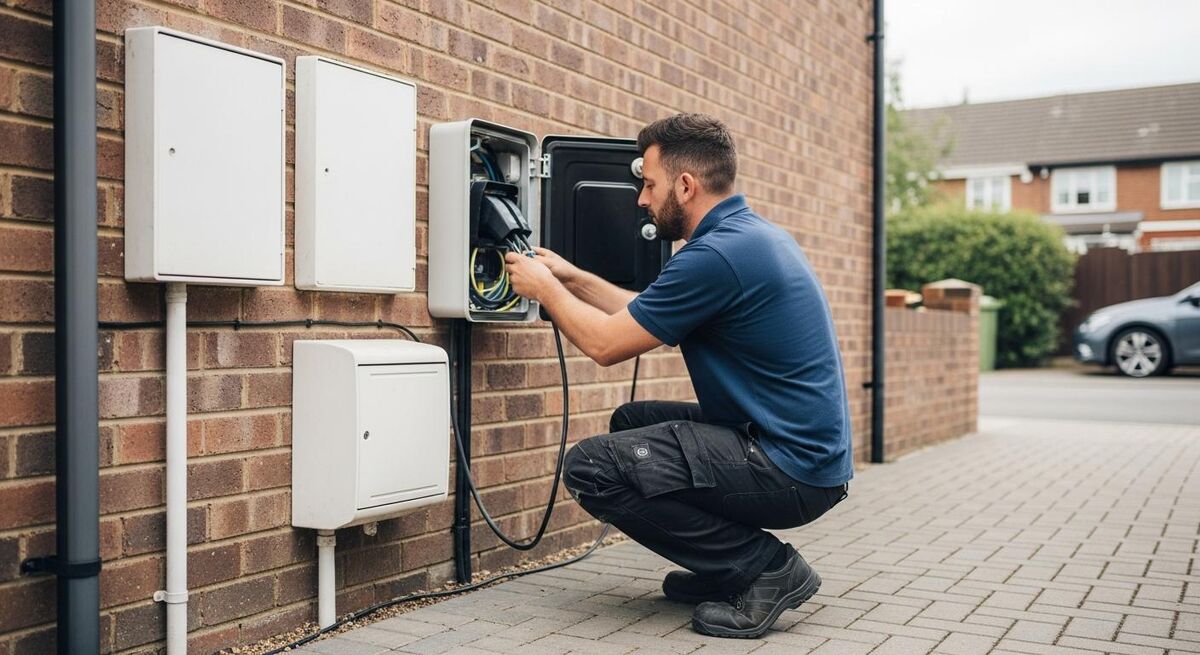
EV charging is the fastest moving of the four EAS categories. Public charger rollout, OZEV grant work, and the rapid take-up of company car salary sacrifice schemes have created a domestic and commercial installer market that simply did not exist five years ago.
The qualification in 2026 is City and Guilds 2921: Domestic, Commercial and Industrial Electric Vehicle Charging Equipment Installation. From October 2026, the EAS treats this as the minimum competence for any electrician self-certifying EV charger work. To enrol, you need a Level 3 electrical qualification such as the City and Guilds 2365 Diploma, and a current 18th Edition certificate including Amendment 4. The course is two to three days, costing around £400 to £600 before grants.
The income story is strong. A competent EV installer in a city does four to six chargers a week at £600 to £900 a unit. Add OZEV grant administration for landlord and commercial work and you have a clean, repeatable revenue stream that pairs well with rewires and consumer unit upgrades. Tradeskills4U, LTS, and Optima Electrical Training all run the 2921 alongside the renewables package.
Certification 3: City and Guilds 2922 solar PV
Solar is back. After a long flat period, UK domestic solar installations crossed 200,000 in 2025 and continue to climb in 2026 on the back of higher electricity prices, the smart export guarantee, and the rise of battery-coupled systems. The certification that gets you onto MCS approved solar work is City and Guilds 2922: Solar Photovoltaic System Installation and Maintenance.
It runs three to five days, costing £450 to £700, with the same Level 3 electrical prerequisite as the 2921. Most learners take it alongside the 2923 battery storage award. From the customer's point of view that combination is what they actually want. Standalone PV installs are now a small minority of jobs.
The competitive picture is interesting. Solar has more installers than heat pumps, but a higher proportion of them are working under MCS-certified umbrella companies rather than independently. If you want to charge full installer rates and own the customer relationship, the path is the City and Guilds 2922, plus your own MCS membership, plus a G98 or G99 notification process you can run yourself.
Certification 4: City and Guilds 2923 battery storage
Battery storage is the certification with the steepest growth curve. Storage attach rates on new solar installs have moved from 12 percent in 2022 to over 60 percent in 2026. The driver is partly economics, partly the smart export guarantee, and partly the rise of dynamic energy tariffs from Octopus and others that reward intelligent load shifting.
City and Guilds 2923 covers Electrical Energy Storage System installation and is two to three days, around £400 to £550. The technical content sits close enough to 2922 that learners doing the renewables triple usually pass it on the same week. The two qualifications together evidence individual competence for PV and battery systems within an MCS-certified company.
For solo electricians, the most useful angle is retrofit. A homeowner with an older PV array often wants a battery added five or six years later. That is a low-friction, high-margin job for an installer who can survey the existing system, sit the right battery on the right inverter, and notify the DNO without drama.
Certification 5: PAS 2035 Retrofit Coordinator
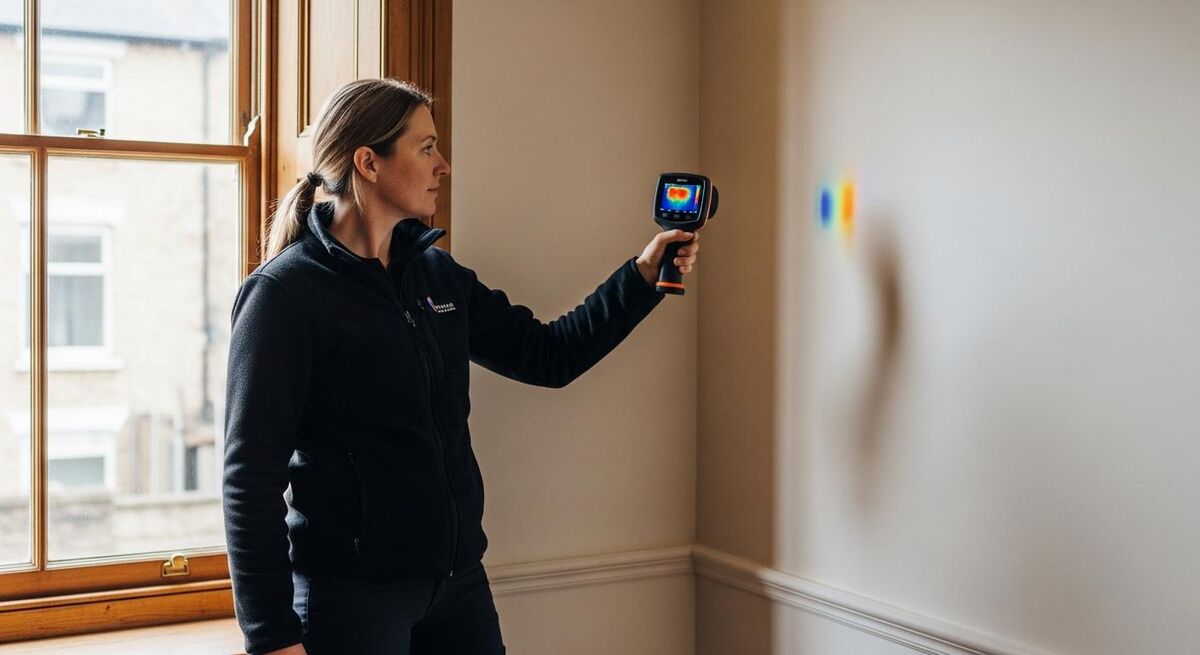
The Retrofit Coordinator is the certification fewest tradespeople have heard of, and the one with the most surprising rate of return. Under PAS 2035:2023, every domestic retrofit project funded by ECO4, the Great British Insulation Scheme, the Warm Homes Plan, or the Social Housing Decarbonisation Fund must be designed and signed off by a qualified Retrofit Coordinator. There are only a few thousand in the UK. There are hundreds of thousands of homes in the funded pipeline.
The qualification is a Level 5 Diploma in Retrofit Coordination and Risk Management, typically delivered by the Retrofit Academy or accredited training centres. It runs over four to six months part-time, costs around £2,500 to £3,500, and requires construction experience as a prerequisite. It is not a quick weekend course.
What it gives you, though, is a position in the supply chain that pays fee-per-project rather than time-per-job. A Retrofit Coordinator typically charges £1,000 to £2,500 per dwelling, signs off ten to twenty dwellings a month at scale, and is the indispensable bottleneck for any TrustMark registered contractor wanting to access ECO funding. For experienced tradespeople moving toward consultancy or supervisory work, it is the highest leverage credential available.
How AI is changing the way trades learn
The traditional model is breaking. Three to five days in a classroom, an exam, a certificate, and you are out the door with no real installations behind you. That is the model the Heat Pump Association report is criticising when it says 39 percent of qualified installers never do a job. The reasons are confidence, the absence of a mentor, and the gap between theory and the first awkward installation in a real customer's house.
AI is changing that gap in two practical ways.
The first is on-demand expertise. Tools like ChatGPT, Claude, and trade-specific assistants now answer technical questions in seconds with reasonable accuracy. An installer on site can ask a heat loss calculation question, request a hydraulic schematic check, or work through a fault diagnosis sequence without phoning a mate. It is not a replacement for an experienced engineer's eye. But it removes a lot of the dead air between the question forming and the answer landing.
The second is structured retention. Most training courses do not stick. The forgetting curve is brutal. New AI-powered learning platforms, including the work we are doing at TrainAR, push spaced repetition and scenario-based practice into the months after a course ends. The result is that someone who passes a Level 3 ASHP course in June 2026 is still confident in October. That is the bit the industry has been missing.
I have been making this point for years. When I ran Elite Heating and Plumbing we trained six apprentices, and the cycle of learning is what made the business stronger. Technology is changing how training works, but it is not changing what training is for. The fundamentals still come from doing the job under the eye of someone who has done it well before you.
Stacking certifications for the strongest return
One certification is good. The right combination of two or three is transformational. The pattern that pays best in 2026 looks like this.
For a gas-side engineer: NVQ Level 3, Gas Safe, MCS heat pump (ASHP plus LTHW design), and an unvented hot water cylinder qualification. This is the package that gets you on housing association and Boiler Upgrade Scheme contracts. Annual earnings range: £55,000 to £75,000.
For an electrician: City and Guilds 2365 Level 3, 18th Edition Amendment 4, plus the Full Renewables Triple of 2921, 2922, and 2923. Add an OZEV authorisation and a battery manufacturer endorsement. Annual earnings range: £45,000 to £70,000 employed, £60,000 to £100,000 self-employed.
For a builder or experienced site manager: PAS 2035 Retrofit Coordinator. The skills you already have around scheduling, supplier management, and risk are exactly what the role rewards. Annual earnings range: £45,000 to £70,000, with consultancy day rates of £350 to £550 for the well-connected.
For an apprentice or recent NVQ graduate: heat pump first, then either solar or EV depending on whether you came up the plumbing or electrical side. Avoid the temptation to do everything at once. Two certifications properly used beat four held but never billed.
If you are running a business with engineers on the books, the question is not whether to invest in green skills training. It is which engineers, in what order, and how you use AI to make the learning stick after the course ends. The article on building a skills matrix walks through exactly that.
For the funding piece, the CITB grants and Skills Bootcamps guide covers the routes that stack with the Heat Training Grant. For the bigger picture on why pipelines are collapsing, the apprenticeship crisis piece sits next to this one and is worth reading first. Once you have hired and trained someone, the five-day onboarding playbook gets them productive without losing weeks.
What tradespeople are saying
Recommended videos
Heat pumps upskilling course
Energy Saving Trust

The Ultimate Guide To MCS
Heat Geek

How heating engineers can train to install heat pumps
Nesta

Why MCS Certification Doesn't Guarantee a Good Installation
Renewable Heating Hub
Get started in Solar PV and Battery storage
Mark The Sparky Allison

Become an EV Charging Point Installer in the UK
Learn Trade Skills
Frequently asked questions
MCS heat pump installer, by quite some margin. The gap between current installer numbers and government installation targets is wider than any other green trade. A Level 3 ASHP plus Low Temperature Design qualification is the fastest route in for an experienced plumber or gas engineer.
Yes, the grant runs until at least March 2026. It covers heat pump and heat network training for eligible engineers. Apply through the course provider, not directly to DESNZ. Most major training centres handle the paperwork for you.
Not legally for private work, but practically yes. Without MCS the customer cannot claim the £7,500 Boiler Upgrade Scheme grant. Most paying customers want the grant, so most paying jobs go to MCS installers. The honest answer is MCS is the price of entry to the funded market.
Around £1,400 to £1,800 before any grant or employer subsidy. That covers City and Guilds 2921 EV charging, 2922 solar PV, and 2923 battery storage. The bundled price is usually 15 to 25 percent lower than booking the three separately.
The Electrotechnical Assessment Specification update brings four low carbon categories under mandatory Level 3 qualification routes. EV charging, solar PV, battery storage, and micro wind. From that date, electricians self-certifying notifiable work in those areas need the matching Level 3 award. Bring it forward to 2025 if you are due renewal.
If you have construction experience and an interest in consultancy or supervisory work, yes. Fees per dwelling are £1,000 to £2,500, and demand is high because every PAS 2035 retrofit needs one. The Level 5 Diploma is the slow burn, but it pays the most over a five-year horizon.
Most renewables Level 3 courses are three to five days, often arranged as weekend blocks or split-week formats. The Retrofit Coordinator Level 5 is part-time over four to six months. Work with your employer because CITB Employer Networks can match 50 percent of eligible costs. Plenty of engineers train while still on the tools.
Industry data suggests £7,000 to £10,000 a year for an employed engineer, and 30 to 50 percent more per hour for a self-employed installer. A specialist heat pump installer charging £80 to £100 an hour in a high demand area can generate £120,000 to £160,000 gross. Results vary, but the floor has lifted meaningfully across the trade.
My verdict
Pick one certification and commit to it this year. For most plumbing and gas engineers that is MCS heat pump. For most electricians it is the Full Renewables Triple. For experienced site people moving toward consultancy it is PAS 2035 Retrofit Coordinator. Get certified, find a mentor for the first ten jobs, and use AI to keep the learning sharp once the course ends. The cycle of learning is what made my business stronger, and it is what will make yours stronger too. The work is there. The funding is there. The only thing missing is more of you.