
Quick Answer
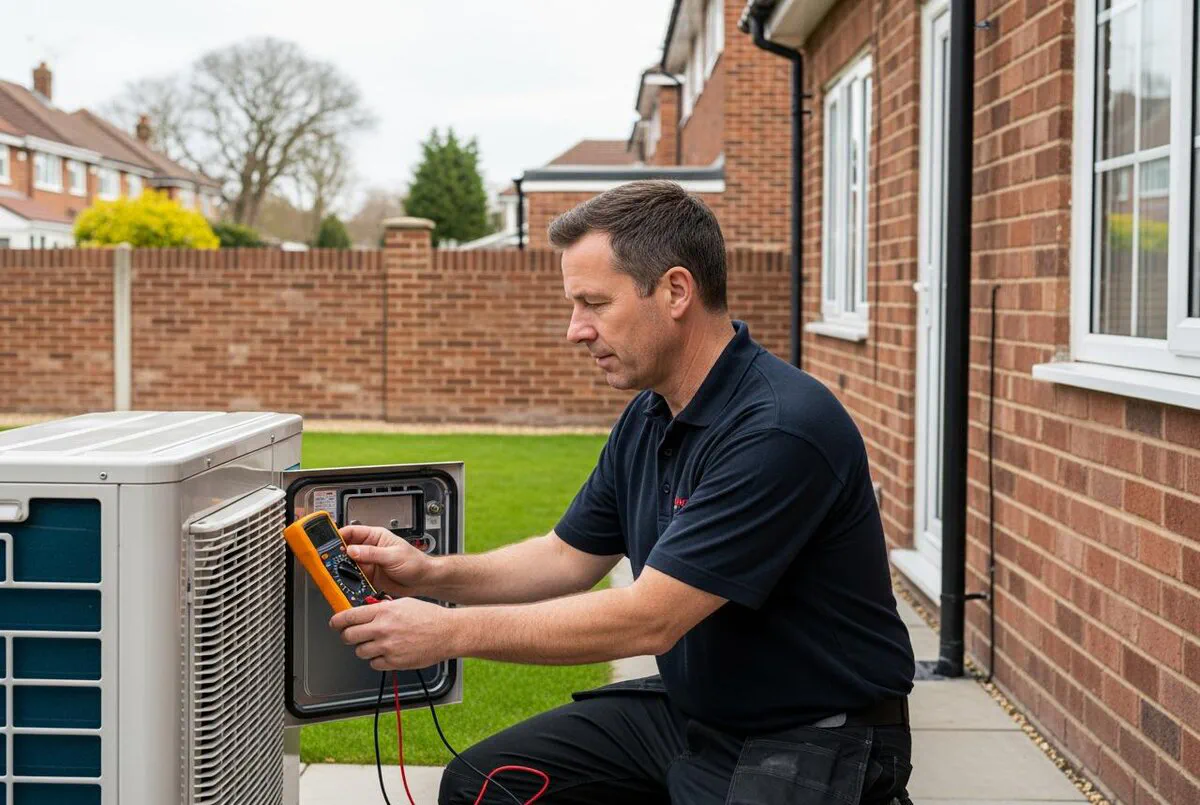
A Level 3 heat pump qualification for an experienced gas engineer costs between £165 and £1,500 depending on provider, takes three to five days, and is the only realistic gateway to MCS certification. The Department for Energy Security and Net Zero pays a £500 Heat Training Grant per learner that covers most of the course fee. MCS certification itself costs around £1,200 to £1,800 in scheme and audit fees in year one, then around £700 to £1,000 annually. Skills Bootcamps run 90 percent funded for SMEs and can take a willing engineer through both qualifications in 10 to 16 weeks. The business case stacks because BUS grants of £7,500 (rising to £9,000 from July 2026) are only unlocked by MCS-certified firms, and there are roughly 3,500 of those against a government target of 600,000 installs a year by 2028.
Table of Contents
- Why train heat pump engineers in 2026
- The three certification routes that matter
- What it actually costs (and what is funded)
- Getting your firm MCS certified
- The apprenticeship and bootcamp route
- Running the numbers: ROI on a single engineer
- AI-personalised learning paths and what they change
- Mistakes I see employers make
- What engineers are saying about training
- Recommended videos
- Frequently asked questions
- My verdict
Why train heat pump engineers in 2026
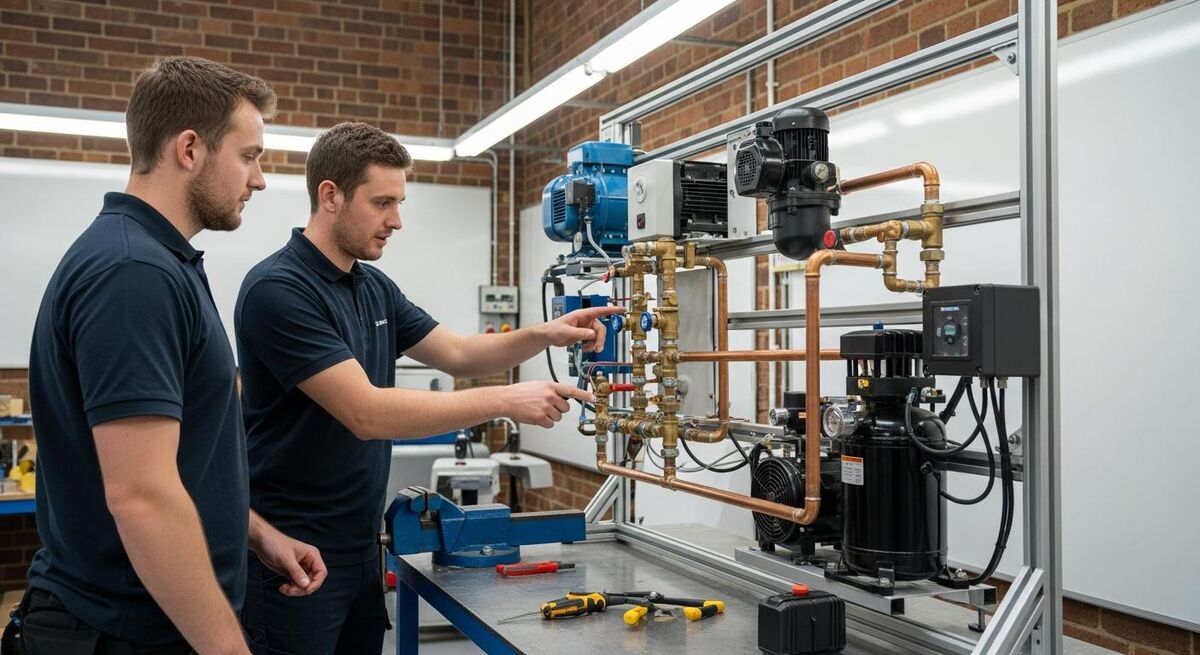
I trained as a Gas and Heating engineer in the late 1990s and ran Elite Heating and Plumbing through the era when a Worcester Greenstar was the most interesting thing you could fit. Heat pumps were a curiosity then. They are not a curiosity now. In 2025 the UK completed over 35,000 BUS-grant heat pump installations in the first nine months of the year, an 11 percent jump on 2024, and the budget for 2025-26 is £295 million. That is the largest annual allocation since the scheme started.
The constraint is not customers. The constraint is engineers. There are roughly 3,500 MCS certified heat pump firms in England against a government target of 600,000 installations a year by 2028. Industry analysis from the Aldersgate Group and Nesta consistently puts the figure of new entrants required at 4,000 to 6,000 a year. Two thirds of current installers are over 45. The market is simultaneously short of capacity and ageing out of capacity. If you run a heating business and you have one or more engineers who could plausibly retrain, that decision is now commercial, not idealistic.
There is also a quieter point worth saying out loud. Engineers under 30 are watching. They are not going to spend a 40-year career on combination boilers. Whether or not you personally want to install heat pumps, the engineers you want to keep are going to want the training. If you have someone good and they are looking at Octopus, Aira or Heat Geek installer programmes that offer formal upskilling, the cost of not training them in-house is the cost of replacing them.
The three certification routes that matter
Every legitimate UK heat pump certification route eventually meets at the same point: a Level 3 award in Air Source Heat Pump Systems delivered against the BPEC, LCL Awards or City & Guilds standard, paired with a Level 3 Low Temperature Heating and Hot Water in Dwellings qualification. Without those two, your engineer cannot be put forward as a Technical Supervisor for MCS, and without MCS your firm cannot capture the BUS grant. That is the binding chain.
The three routes that actually work in 2026:
Route 1: Direct paid course at a private training provider. Logic4training, Tradeskills4u, BPEC providers like Gastec, VitoEnergy, GRE Energy Training and HTAA all run intensive three-to-five-day programmes. List price runs from around £500 to £1,500. With the £500 Heat Training Grant from the Department for Energy Security and Net Zero applied, net cost typically lands between £0 and £1,000. This is the route most existing gas engineers take. It is the fastest. The provider sorts the paperwork.
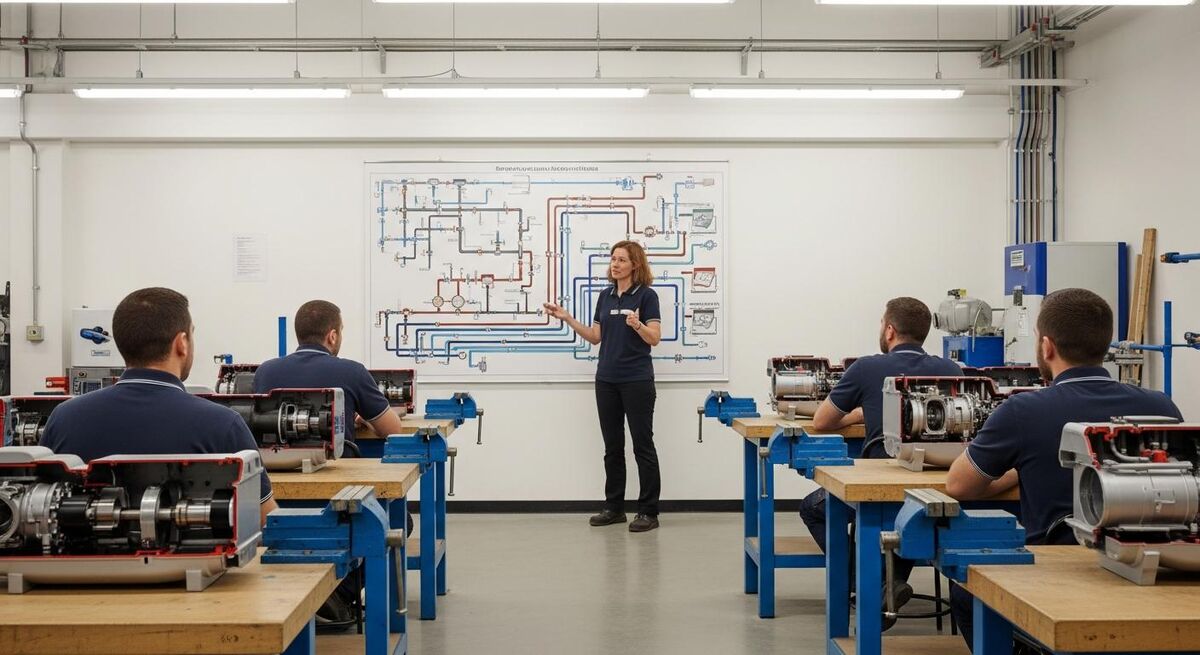
Route 2: Skills Bootcamp. These run up to 16 weeks, are free for unemployed learners, and require an SME contribution of just 10 percent for employed learners (30 percent if you have 250 plus staff). For 2026 the most useful trade bootcamps are the air source heat pump intensives delivered by Worcester Bosch at New College Durham, Wiltshire College, SGS College, Harlow College, Colchester Institute, Glasgow Clyde, Activate Trade Training and Tradeskills4u. The catch is regional availability and waiting lists. The advantage is the depth: bootcamps cover both the Level 3 ASHP and the low-temperature design module in the same programme, where shorter courses sometimes do not.
Route 3: Manufacturer or installer-network upskilling. Vaillant, Mitsubishi Ecodan, Daikin, Baxi, NIBE, Worcester Bosch and Panasonic all run their own training, usually free or heavily subsidised if you commit to specifying their kit. Daikin's UK bootcamp runs at Woking, Bristol, Birmingham, Manchester and Glasgow with cohorts of eight. Mitsubishi Ecodan training at Hatfield is grant eligible up to £500. Heat Geek, Aira and Octopus all run installer programmes that bundle training with lead generation, and we have a separate piece on those if you want the full landscape on getting MCS certified as an individual installer.
What it actually costs (and what is funded)
Sticker prices on training provider websites are usually quoted ex-VAT and before any grant deduction. The number on the invoice you actually pay is often half of what is advertised. Here is the real-money picture for an experienced gas engineer in 2026, broken into the components you will see on the bills.
| Cost item | List price | After grants | Notes |
|---|---|---|---|
| Level 3 ASHP course (3-5 days) | £500-1,500 | £0-1,000 | Heat Training Grant £500 |
| Level 3 Low Temp Design module | £400-700 | £0-700 | Often bundled in bootcamps |
| G3 Unvented (if not already held) | £350-500 | £350-500 | Most gas engineers already hold this |
| Wages for engineer during training | £800-1,400 | £800-1,400 | 5 days at typical £160-280 per day cost to business |
| MCS scheme join + first audit | £1,200-1,800 | £200-1,800 | Scottish MCS Certification Fund covers 75% to £1,000 |
| Total year one (single engineer) | £3,250-5,900 | £1,350-5,400 | Depends on grant uptake and starting qualifications |
The single biggest variable is the £500 Heat Training Grant. That grant was introduced in 2023 with a £5 million budget designed to support 10,000 trainees over two years. It is still live in 2026 and is paid through participating providers, who deduct it from your invoice. Confirm the provider is on the scheme before you book. If they are not on the scheme you are paying full list price.
The second variable is wages during training. Most owners forget this when they price the decision. Five days off the tools at a real cost-to-business of £200 a day is £1,000 you will not see on a training invoice but that absolutely lands on your P&L. Bootcamp routes mitigate this because they are part-time over a longer period: an engineer doing a 16-week bootcamp typically loses one day a week, not five days in one go.
Getting your firm MCS certified

Training one engineer to Level 3 does not make your business MCS certified. Two separate things have to happen. The engineer becomes a qualified Technical Supervisor, and the firm separately joins one of the MCS-licensed Certification Bodies (NICEIC, NAPIT, HIES, OFTEC, MCS Service Company, BBA, Building Engineering Services Association and others). The Certification Body conducts an initial office audit, a first install witness audit, and ongoing annual audits.
The MCS process in plain English:
- Pick a Certification Body. NICEIC and NAPIT are the two most commonly used by small heating firms. Fees differ by a few hundred pounds. Service differs by a lot, so phone three and get a feel.
- Submit the application pack. Quality policy, complaints procedure, calibration records for your gauges, evidence of insurance, the Technical Supervisor's qualifications, and a copy of your Workmanship and Performance Warranty. Most owners use the templates the Certification Body supplies.
- Office audit. Typically half a day. The auditor checks the paperwork is real and your processes match the manuals.
- Install witness audit. The auditor attends a real heat pump install at a real customer property. This is the bit that traps unprepared firms. You need a job ready to be witnessed before you can finish certification.
- Certificate issued. You are MCS certified. You can now register installations through the MCS database and your customers can apply for the BUS grant. Annual renewal is required.
From decision to certificate is typically eight to twelve weeks. The bottleneck is almost always finding a customer willing to be the audit witness. Some firms partner with another MCS firm to subcontract their first three installs while their own audit is pending. That is legal, common, and the right way to bridge the gap.
The apprenticeship and bootcamp route
The training routes above assume you already have an engineer to upskill. If you do not, or if you want to grow capacity rather than retrain, the apprenticeship and bootcamp combination is now genuinely cost-effective for the first time since I started in this industry. The 2026 funding stack for an SME hiring a 16-to-24-year-old apprentice in low carbon heating is, frankly, the most generous it has ever been.
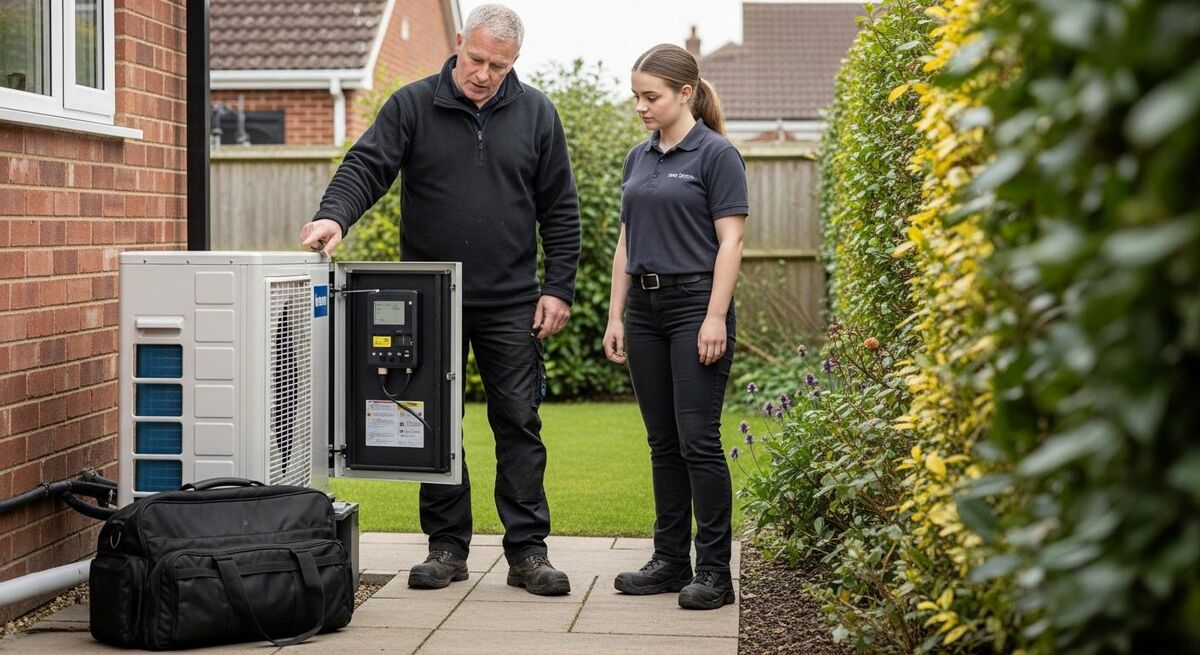
If you stack the CITB attendance grant (£2,500 a year), the SME apprentice incentive (£2,000 from October 2026), the Universal Credit Youth Jobs Grant (£3,000 from June 2026 for eligible candidates) and the achievement grant on completion (£3,500), an SME can receive up to £14,000 in direct grants over a three-year apprenticeship, on top of 100 percent funded training fees. We've covered the full mechanics of this stack in detail in our guide to CITB grants and Skills Bootcamps for UK trades.
What changes for heat pumps specifically is that the standard plumbing or domestic heating apprenticeship no longer carries the engineer into low carbon work. You either need to choose the new Level 3 Low Carbon Heating Technician standard, where it is available, or pair a standard plumbing apprenticeship with a planned bootcamp at the back end of year two or in year three. The second route is what most SMEs end up doing because the Low Carbon Heating Technician standard still has limited college provision in 2026.
Running the numbers: ROI on a single engineer
The honest numbers, for a typical UK heating SME with one or two engineers, training one existing experienced gas engineer to MCS-recognised heat pump installer in 2026:
Total year-one investment, net of grants: roughly £3,000 to £5,400 depending on provider and starting qualifications. That covers Level 3 ASHP, Low Temp Design, MCS scheme join, audit fees, and wages-off-tools for training days.
Year-one revenue uplift from one engineer doing heat pumps part-time: at £7,500 BUS grant per install, a typical complete-system price tag of £10,000 to £14,000 customer-side, and a margin of 25 to 35 percent on equipment plus labour, a single engineer fitting one heat pump a fortnight in their first year (a deliberately conservative pace) delivers gross profit in the region of £30,000 to £50,000 against your investment.
Annual salary uplift you need to pay that engineer: dual-qualified engineers (gas plus heat pump) are commanding £48,000 to £62,000 on the open market in 2026 against £38,000 to £45,000 for gas-only. So budget for a £7,000 to £15,000 a year pay rise to keep them. That is the price of retention.
BUS grant change July 2026: from 21 July 2026 the BUS grant rises to £9,000 for air source and ground source units in eligible off-gas-grid properties. The basic £7,500 grant continues elsewhere. The DESNZ scheme extension runs to 2030. So the demand-side incentive is locked in for at least four more years.
AI-personalised learning paths and what they change
The biggest practical shift in heat pump training in 2025-26 is not regulatory. It is the move to AI-personalised learning platforms. Heat Geek's Learn platform, BPEC's e-learning, MCS's own interactive learning platform launched in late 2025, and the major manufacturers' internal LMS systems all now use adaptive routing: the platform tracks where an individual learner gets stuck on heat loss calculations, refrigerant principles or hydraulic separation, and serves them more practice on the weak area before letting them progress.
For an SME owner this matters in two ways. First, it shortens the calendar time from sign-up to assessment-ready by about 30 percent compared to fixed-curriculum classroom training, because nobody is sitting through modules they already understand. Second, it makes the case much stronger for paying for a Heat Geek Learn subscription (around £150 plus VAT a month for individuals, or £350 plus VAT a month for the full installer programme with leads) as a continuous CPD investment rather than a one-off training cost. The engineer can keep learning while billing.
This is the same logic we apply on the AI tools side at TrainAR. The technology extends what a competent engineer can do. It does not replace the underlying competence. If your engineer cannot do a heat loss calculation longhand, no AI platform is going to fix that. If they can, the AI platform makes them faster and more accurate at the things they were already doing well.
Mistakes I see employers make
I sit on calls with trade business owners every week through RAFT and through TrainAR, and the same patterns repeat when they describe heat pump training decisions they regret. There are four worth flagging.
One: Sending the wrong person. The engineer who volunteers for the course is not always the one with the right aptitude for heat pump design. Heat pumps require a willingness to do calculations and to talk patiently to homeowners about flow temperatures. If your most enthusiastic volunteer is your fastest gas fitter who hates paperwork, send them on a manufacturer install course, not a Level 3 design qualification. Match the person to the work.
Two: Booking the course before booking the MCS pathway. A Level 3 ASHP certificate sitting in a drawer is a sunk cost if your firm does not also intend to pursue MCS certification. Decide on the MCS Certification Body and budget the scheme fees before you put anyone through training. Otherwise you have spent £1,500 on a qualification that does not yet do commercial work.
Three: Underestimating the audit witness install. The MCS office audit is straightforward paperwork. The witness install is where firms get caught out. You need a real customer, a real install, and reasonable scheduling flexibility with the auditor. Line up the first witness customer before you submit the application. A subcontract through an existing MCS firm is a perfectly valid backup.
Four: Forgetting the wage uplift. A newly MCS-qualified engineer becomes more valuable to your competitors the moment the certificate prints. If you do not have a wage and retention conversation booked for month three after qualification, you are going to have it when they hand in their notice in month nine. The market for dual-qualified engineers is too hot to assume loyalty alone will keep them. See our guide on staff retention strategies for trades firms for practical approaches to locking in talent after training.
What engineers are saying about training
Recommended videos

How heating engineers can train to install heat pumps
Nesta

Heat pumps upskilling course walkthrough
Urban Plumbers

Heat pump system design and installer training explained
Urban Plumbers

How British Gas, Octopus, EDF, Aira and Heat Geek are changing the game
Skill Builder

Inside an air source heat pump training centre
UK heating engineer vlog
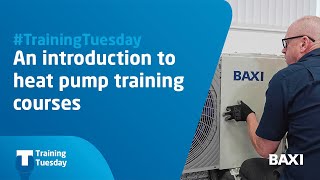
Introduction to Baxi air source heat pump training
Baxi Heating UK
Frequently asked questions
For an experienced gas engineer with G3 Unvented already in place, the training itself runs three to five days. Add eight to twelve weeks for the MCS firm certification process including the witness install. Realistic end-to-end timeline from decision to first MCS install is four months.
The provider claims it on your behalf and deducts it from your invoice. You will not see a separate cash payment. Confirm with the provider before booking that they are registered for the DESNZ scheme. If they cannot show you the deduction line on the quote, you are paying full price.
Yes. The engineer holds the Level 3 qualifications and acts as the Technical Supervisor. The firm holds the MCS certification through a Certification Body like NICEIC or NAPIT. Both are required. Customers cannot claim BUS unless your firm is on the MCS register, regardless of how qualified the engineer is.
You have 30 days to notify your Certification Body and present a replacement TS with equivalent qualifications. If you cannot, your MCS certification is suspended and you cannot complete new BUS-funded installs until the position is filled. This is why most firms aim for two qualified people from year two onwards.
The government target is 600,000 installs a year by 2028. The current install rate sits around 45,000 a year. There is a tenfold gap. 3,500 firms is not capacity. It is a starting line. If you train now, you are in the early adopter cohort that will set the regional pricing for the next five years.
Add a separate Level 3 Ground Source Heat Pump module, typically £500 to £800. Worth doing if your area has the property profile (larger rural sites with garden space). For most urban SMEs, ASHP-only is the right starting point and ground source can be a year-two addition.
Yes, provided they meet the underlying qualification requirements: typically a Level 2 or 3 NVQ in plumbing or heating plus G3 Unvented plus the Level 3 ASHP and Low Temp Design awards delivered through the bootcamp. The bootcamp does not replace the underlying trade qualification; it adds heat pump competence on top.
My verdict
For a typical UK heating SME in 2026 the maths favours training. Net first-year cost lands around £3,000 to £5,400 per engineer after grants. The wage uplift to retain them adds £7,000 to £15,000 a year. The BUS-grant-driven demand is locked in to 2030 and rises to £9,000 from July 2026 for off-grid properties. With 3,500 MCS firms against a 600,000-install-a-year target, the constraint for the next five years will be qualified capacity, not customer interest. Pick your most patient, most numerate engineer. Get them through a Level 3 ASHP and Low Temp Design route in the next quarter. Schedule the MCS scheme application in parallel. Book the wage conversation for month three. And start planning the second engineer for late 2027 because by then the engineer who trained first will be ready to mentor the second, the second will be cheaper because your existing MCS pathway is open, and your firm will have proper redundancy on the TS role. The route is clear. The funding is real. The only question is whether you book the course before your competitor down the road does.
Share this article
Link copied to clipboard
Ready to Transform Your Business?
Turn every engineer into your best engineer and solve recruitment bottlenecks
Join the TrainAR WaitlistStay Updated
Get weekly insights delivered to your inbox.
Recommended Articles
Attracting Young People to Trades: Fix Industry Image
UK trades crisis: win school-leavers & use apprenticeship grants to build your future workforce. TrainAR

Employment Law for Trades: Dismissal Mistakes
5 dismissal mistakes that catch UK trades firms out. Costs, ACAS-aligned habits to tribunal-proof your process before Jan 2027 changes
Gen Z in Trades: What Workers Expect from Employers
Gen Z employment in UK construction is soaring. This guide reveals what younger workers expect from trade employers: attract & keep them now