
Quick Answer
From 1 October 2026, every individual carrying out Electrical Installation Condition Reports must hold a recognised Level 3 qualification in periodic inspection and testing, plus at least two years of documented experience. This is not optional. Competent person schemes like NICEIC and NAPIT will enforce it, and if you are not compliant your scope of work gets restricted or removed entirely. The qualification you need is the City and Guilds 2391-52 (or 2391-51 for periodic only), an EAL equivalent, or a legacy qualification that appears on the accepted list. Courses run around five days and cost between £850 and £1,100. If you have been doing EICRs without this qualification, you have roughly five months to sort it out.
Table of Contents
- What changed and why
- Key dates you need to know
- Who is affected
- Which qualifications are accepted
- Training routes and costs
- What happens if you do not comply
- Social housing and landlord implications
- The wider EAS changes: EV, solar, battery
- What electricians are saying
- Recommended videos
- Frequently asked questions
- My verdict
What changed and why
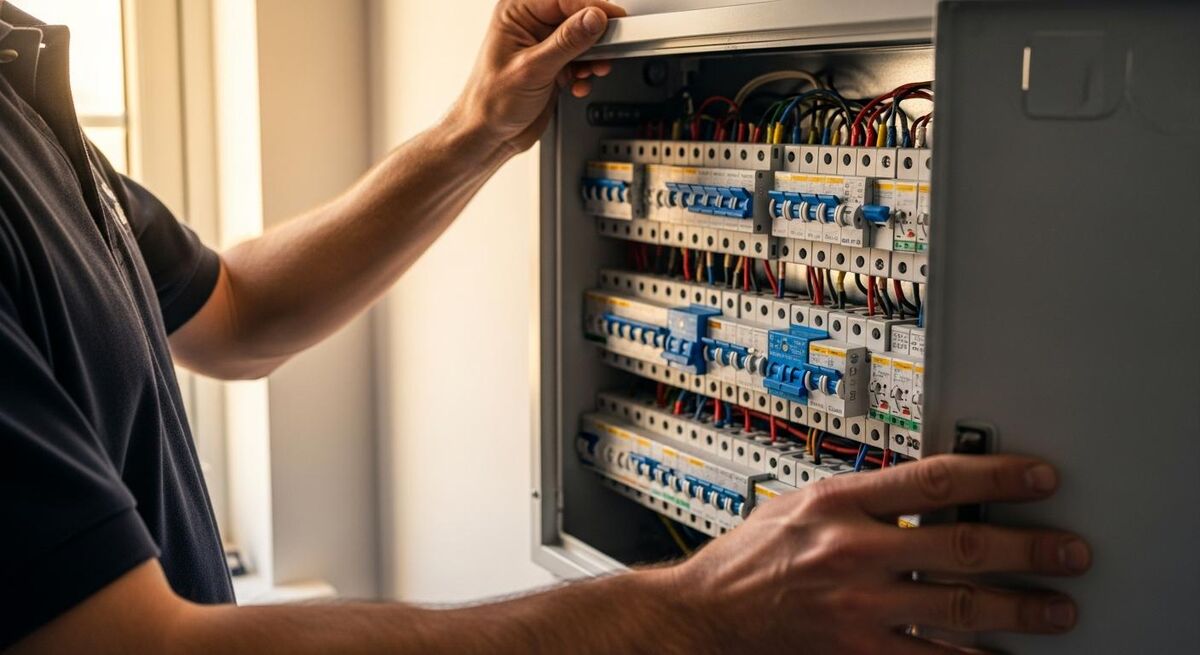
The Electrotechnical Assessment Specification (EAS) was revised in October 2024. That revision is the single most significant change to electrical inspection qualification requirements in over a decade. Let me explain what it actually means.
Previously, a firm registered with a competent person scheme could carry out EICRs as long as it had a Qualified Supervisor (QS) on staff. The QS model meant one qualified individual could oversee an entire team. In practice, that meant people with no formal inspection qualification were producing EICRs under someone else's certificate. That was always a problem, and now it is being addressed.
The EAS 2024 shifts the requirement from the firm to the individual. From 1 October 2026, every single person who carries out a periodic inspection and test must hold a recognised Level 3 qualification in periodic inspection and testing. Not the firm. Not the QS. Every individual on site doing the work.
This comes alongside the publication of BS 7671 Amendment 4 on 15 April 2026, and it is driven by a simple reality: 19,300 accidental domestic fires of electrical origin happen in the UK every year. That is 53 fires every single day. The industry has been dining out on the QS model for too long, and the data tells us it is not working well enough.
1 October 2026 is a hard deadline. From that date, competent person schemes are mandated to enforce the Level 3 requirement. There is no extension, no grace period, and no grandfather clause for experienced electricians without the formal qualification.
Key dates you need to know
EAS 2024 published
The revised Electrotechnical Assessment Specification is released. Voluntary early adoption begins. This is when the clock started ticking.
Route 4 closes to new applicants
From 1 January 2026, Route 4 (the experience-based entry route) is no longer accepted for new applicants to certification or registration bodies. If you were planning to register on experience alone, that door is shut.
BS 7671 Amendment 4 published
Published on 15 April 2026, this amendment updates the wiring regulations. All inspectors will need to be current with this.
Shadow assessments begin
Scheme assessors from NICEIC, NAPIT and others start documenting non-conformances on assessment reports. This does not immediately prevent EICR work, but it creates a formal record that you are not meeting the incoming standard.
Full enforcement
The Level 3 qualification becomes mandatory for all EICR work. Non-compliant individuals face scope-of-work restrictions and potential removal from their scheme registration.
That timeline gives you roughly five months from today. If you have not booked your course yet, you need to do it now. Providers are already reporting sold-out dates through summer 2026.
Who is affected
This is where people get caught out. The requirement does not just apply to sole traders or business owners. It applies to every individual who picks up test instruments and carries out a periodic inspection. That includes:
- Directly employed electricians working for a registered contractor
- Subcontractors and self-employed sole traders working under someone else's registration
- Agency and temporary workers doing EICR work
- Qualified Supervisors who previously relied on their QS status alone
The EAS defines "employed persons" as anyone carrying out the work under the registered business, regardless of their employment status. If you are on site doing an EICR, you need the qualification. Full stop.
Being a QS does not automatically mean you hold a Level 3 periodic inspection qualification. Many QSs qualified through historic routes that did not include the specific inspection and testing award. Check your certificates now.
There is one exception. Apprentices and trainees can continue to carry out inspection work under close supervision of a qualified person. This is how they build up the two years of documented experience they will eventually need. But the supervisor must hold the Level 3 qualification themselves.
The UK electrical workforce has declined by 26.2% since 2018, according to data from JTL Training and the Electrical Contractors Association (ECA). We need 10,500 new apprentices a year to meet demand, and current intake is around 7,500. Adding a mandatory qualification on top of an already shrinking workforce is going to squeeze capacity, and landlord EICR work where margins are already tight is going to feel it first.
Which qualifications are accepted
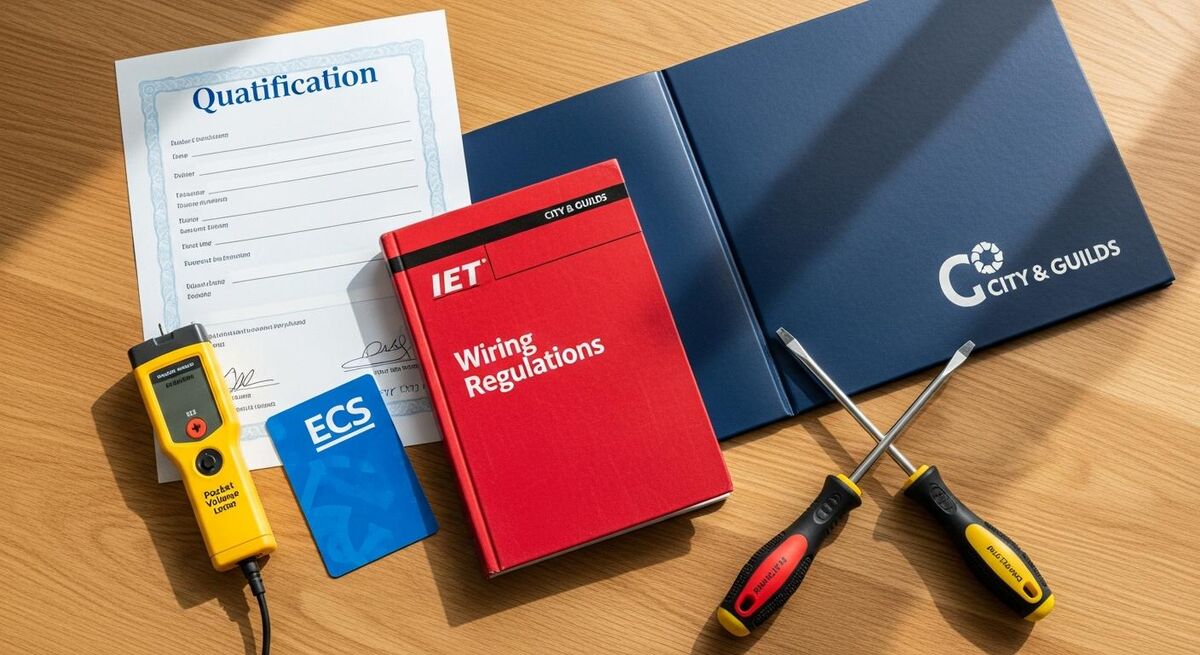
The accepted qualifications for periodic inspection and testing under the revised EAS are:
- City and Guilds 2391-52 (Level 3 Award in Initial and Periodic Inspection and Testing of Electrical Installations). This is the combined award and the one most providers recommend.
- City and Guilds 2391-51 (Level 3 Award in Periodic Inspection, Testing and Certification). This covers periodic inspection only, which is sufficient for EICR work.
- EAL Level 3 equivalents in periodic inspection and testing.
- Legacy qualifications that appear on the NICEIC or NAPIT accepted qualifications list. This includes older City and Guilds 2394/2395 awards.
A general NVQ Level 3 in Electrical Installation is not enough on its own. You need the specific inspection and testing unit. This catches out a lot of people who assume their Level 3 Diploma in Electrical Installation covers it. It does not.
You also need a current BS 7671 certificate (the 18th Edition). If yours has lapsed or you have not updated to the latest amendment, that needs sorting too.
On top of the qualification, you must provide evidence of at least two years of documented experience in periodic inspection and testing, plus ongoing CPD that demonstrates you are current with the latest BS 7671 amendments. This is not a box-ticking exercise. Assessors will want to see real evidence.
Training routes and costs

Here is what it actually costs to get compliant, depending on where you are starting from.
If you already hold a Level 3 Electrical Installation qualification
You need the 2391-52 (or 2391-51) inspection and testing award. This is a five-day course with a practical assessment.
- Cost: £850 to £1,100 depending on provider (excluding VAT)
- Duration: 5 days (typically Monday to Friday)
- Providers: Trade Skills 4U, Total Skills UK, Abel Skills, NAPIT Training, and dozens of regional centres
If you need the Level 3 Diploma first
Some electricians who entered the trade through older routes may need the full Level 3 Diploma in Electrical Installation (2365 or equivalent) before they can sit the 2391.
- Cost: £3,000 to £3,500 for the diploma alone
- Duration: 8 weeks full-time or 15 weeks part-time
- Combined packages: Some providers offer diploma plus 2391 bundles for around £5,000 to £7,000
18th Edition update
If your BS 7671 certificate has lapsed, you will need to renew it. Most providers offer three-day courses for around £300 to £450.
For an electrician who already has a Level 3 installation qualification, the realistic cost is the 2391-52 course (£850 to £1,100) plus any BS 7671 update needed (£300 to £450). Factor in lost earnings for the training days too.
Book early. Multiple training providers are reporting sold-out dates through the summer of 2026. The closer you leave it to October, the fewer options you will have, and some providers are already charging premium rates for last-minute bookings.
What happens if you do not comply
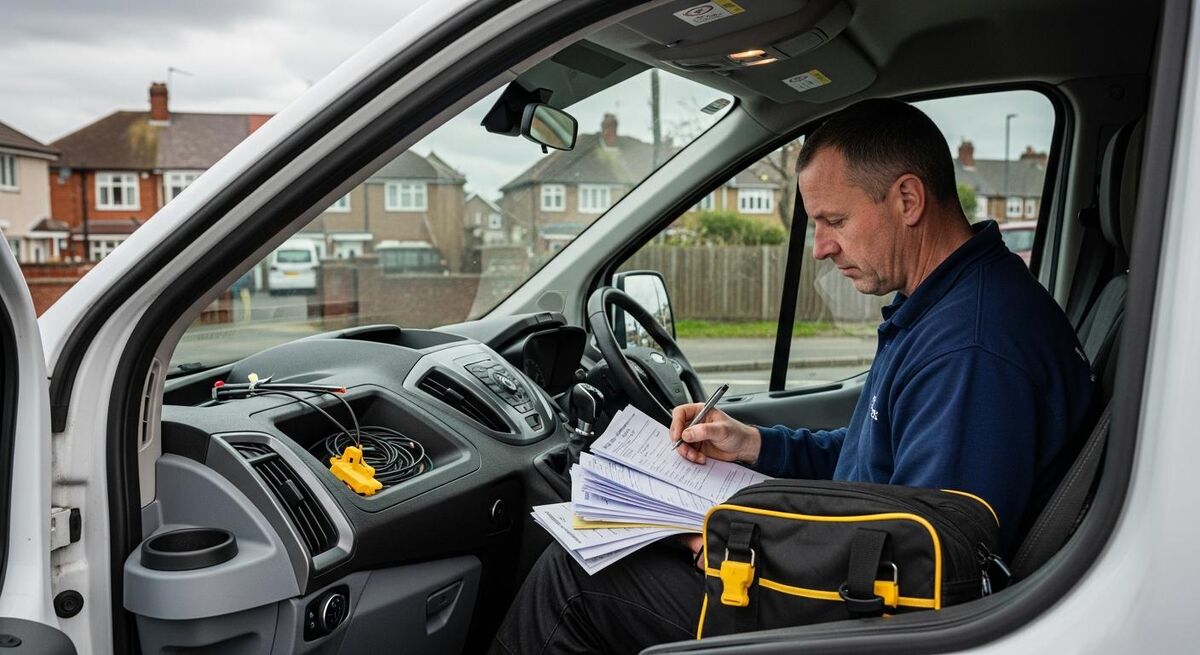
This is not a suggestion. From 1 October 2026:
- Scope-of-work restrictions: Your competent person scheme can remove periodic inspection and testing from your registered scope. That means you cannot self-certify EICR work.
- Formal enforcement notices: After mid-2026, scheme assessors move from advisory notes to formal enforcement action.
- Insurance implications: Professional indemnity insurance providers are now requiring proof of Level 3 certification to cover EICR claims. Without it, you may find your PI insurance does not cover you for inspection work.
- Loss of registration: Continued non-compliance can lead to removal from your scheme entirely.
The consequences extend beyond the paperwork. If you produce an EICR without the proper qualification and something goes wrong, you are personally exposed. No scheme registration to hide behind, no QS to cover for you. Your report, your liability.
And from a practical standpoint, landlords and managing agents are getting smarter about checking credentials. The Electrical Safety Standards in the Private Rented Sector (England) Regulations 2020 require a "qualified and competent person" to carry out inspections. The definition of competent just got tighter.
Social housing and landlord implications
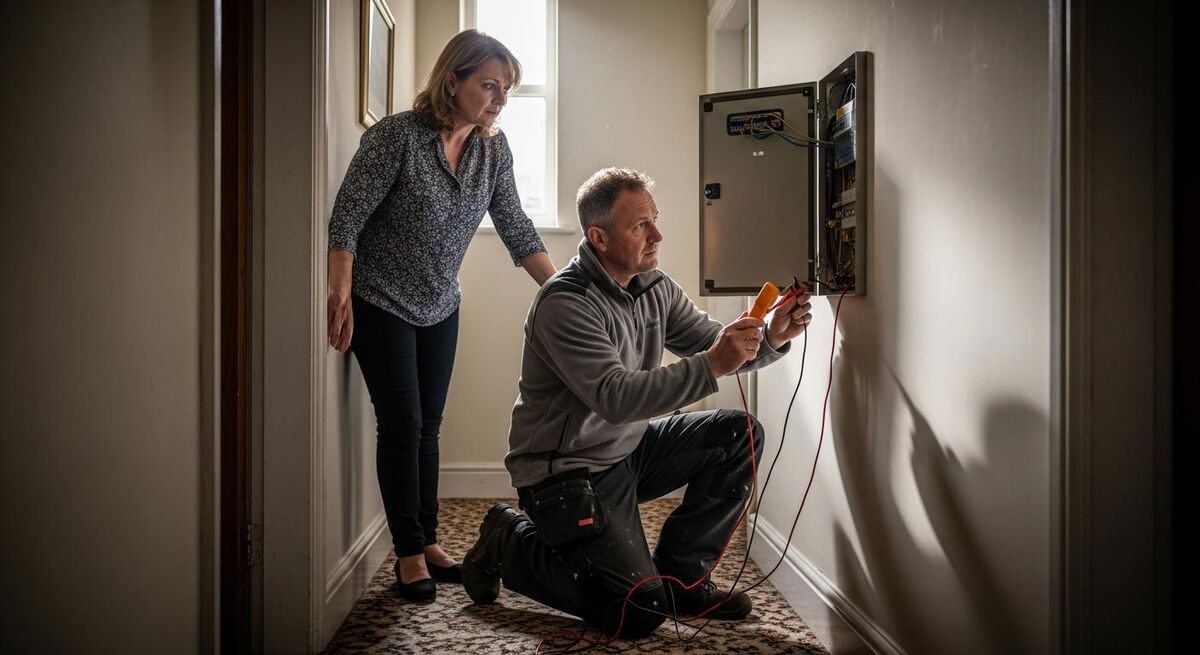
If you manage properties, whether that is a social housing portfolio or a handful of buy-to-lets, this change affects your supply chain directly.
Every electrician you contract to carry out EICRs must individually hold the Level 3 qualification from October 2026. You cannot rely on the fact that their firm is NICEIC or NAPIT registered. The individual doing the inspection needs the qualification. Ask to see it.
For social housing providers, this connects directly to the Building Safety Act compliance requirements that are already reshaping how property safety is managed. The golden thread principle of maintaining accurate, accessible safety records applies to electrical compliance just as much as fire safety and structural integrity.
The average cost of a domestic EICR currently sits between £120 and £350 depending on property size. With a smaller pool of qualified inspectors and increased training costs, expect those prices to rise. For landlords managing multiple properties, the financial impact is real.
Ask your electrical contractor for evidence that each individual inspector holds a Level 3 periodic inspection qualification. Check their BS 7671 certificate is current. Confirm they are registered with a competent person scheme. Do this before you sign the next EICR contract, not after.
If you want to understand how building control notifications interact with electrical work, that guide covers the process for when you need sign-off and when a competent person scheme handles it for you.
The wider EAS changes: EV, solar, battery
The EICR qualification change does not exist in isolation. The EAS 2024 also introduces mandatory Level 3 qualifications for four new low-carbon work categories, all effective from the same 1 October 2026 deadline:
- Electric Vehicle Charging Equipment (EVCE): EAL Level 3 Award in Installation of Electric Vehicle Charging Points, City and Guilds 2919-01 or 2919-02
- Solar Photovoltaic (PV) Systems: EAL Level 3 Award in Small-Scale Solar PV Systems
- Electrical Energy Storage Systems (EESS): EAL Level 3 Award in EESS Design, Installation, and Commissioning
- Micro Wind Turbine Installations: Relevant Level 3 qualification
The message from the industry is clear. General electrical qualifications alone will not be enough for specialist work. If your business does EV charging installations alongside EICR work, you need separate Level 3 qualifications for each category. Without them, your certification body can restrict your registered scope of work.
This is the direction of travel. The electrical industry is moving towards specialist qualifications for specialist work, rather than letting a general Level 3 installation qualification cover everything. For those of us who have been calling for higher standards, it is long overdue. For businesses planning their training budgets, it is going to cost.
For context on how broader fire safety regulations connect to electrical compliance in properties, that guide maps out the full landscape of UK safety requirements.
What electricians are saying
Recommended videos
How to do an EICR start to finish
Mark The Sparky Allison
Electricians Guide to EICR Testing
Finney Electrical Top Electrician
How to do a large EICR on commercial premises
Mark The Sparky Allison

EICR Explained
Andy Willcox Electrical
A Day in the Life of an Electrician - EICR Walkthrough
Artisan Electrics
Domestic EICR walkthrough
Residual Electrical

What is an EICR - The basics
Jenkins Electrical
EICR Testing - What is an EICR Test?
NM Cabling Solutions
Frequently asked questions
For EICR work, the 2391-51 (periodic inspection only) is sufficient. The 2391-52 covers both initial verification and periodic, so it gives you more flexibility. If you are going to spend five days in a training centre, you might as well do the combined award.
No. There is no grandfather clause. Experience alone does not satisfy the requirement from October 2026. You need the formal Level 3 qualification regardless of how long you have been in the trade. I know that is frustrating. Get it done.
Two years of documented periodic inspection and testing work. This means records of EICRs you have personally carried out, signed off by the responsible person at the firm where you did the work. If you have been doing EICRs but nobody has been recording it, start now.
Technically yes, but assessors are already noting non-conformances since October 2025. You can continue to work, but there is a formal record building up against your registration. Waiting until the last minute is not a strategy.
Contact your competent person scheme directly. NICEIC publishes an Acceptable QS Qualifications document, and NAPIT has its own qualifications guide. Both list every accepted qualification including legacy awards. Do not assume yours counts, verify it.
The qualification requirement is the same for all EICR work, whether domestic, commercial, or industrial. The inspector needs the Level 3 qualification regardless of the type of property being inspected.
My verdict
I have spent years arguing that the electrical industry needs to move beyond the idea that having a QS on paper means everyone under that registration is competent. It does not. We have seen the consequences in the data: 19,300 electrical fires a year, inconsistent EICR reporting, and a race to the bottom on pricing that puts residents at risk. The EAS 2024 changes are not perfect, and the cost burden on working electricians is real, but the principle is right. Individual accountability for individual competence. If you are carrying out periodic inspections, you should be qualified to do them. Not your boss. Not the QS three counties away. You. Get the qualification, document your experience, and stop moaning about it. The deadline is real, the consequences are real, and the safety improvements will be too.