

Quick Answer
For most UK trades businesses, sole trader is the right answer until profit clears about £50,000 a year. Below that the tax saving from going limited is small, and the admin tax is real. Above £60,000 a limited company starts to pay you back, even after the April 2026 dividend rate rise. The decision is not just tax. It is liability, credibility, MTD for Income Tax obligations from April 2026, and how much paperwork you want to do on a Sunday night.
Table of Contents
- The big picture for 2026/27
- Sole trader: what you actually pay
- Limited company: what you actually pay
- Side-by-side: real numbers at four profit levels
- When the switch actually pays off
- The hidden costs nobody talks about
- MTD for Income Tax and where AI fits in
- How to switch from sole trader to limited
- What tradespeople are saying
- Recommended videos
- Frequently asked questions
- My verdict
The big picture for 2026/27

Two things changed this year that flip the old rules of thumb on their head. First, dividend tax went up on 6 April 2026. The basic rate moved from 8.75% to 10.75% and the higher rate from 33.75% to 35.75%. That narrows the gap between paying yourself from a limited company and paying yourself as a sole trader.
Second, Making Tax Digital for Income Tax goes live in April 2026 for sole traders and landlords with gross qualifying income over £50,000. Quarterly digital updates, MTD-compatible software, a Final Declaration at year end. So the "sole trader is simpler" argument is weaker than it used to be at the top end.
Put those two together and the old £30,000 break-even number is out of date. For 2026/27 most sole traders below about £50,000 in profit are better off staying as they are. Above that, the maths starts to favour limited. Above £80,000 it usually wins by a clear margin even with the new dividend rates.
Sole trader: what you actually pay
As a sole trader, you and the business are the same legal person. Every pound of profit hits your personal tax return whether you spend it on the business, your mortgage, or leave it in the bank account.
Three taxes apply on your profits for 2026/27:
- Income Tax. Personal allowance of £12,570. Basic rate 20% on profit between £12,571 and £50,270. Higher rate 40% on profit between £50,271 and £125,140. Additional rate 45% above that. Personal allowance tapers away between £100,000 and £125,140, creating a punishing 60% effective marginal rate in that band.
- Class 4 National Insurance. 6% on profit between £12,570 and £50,270. 2% on profit above £50,270.
- Class 2 National Insurance. No longer a flat weekly charge for most self-employed people. You still get the qualifying year for State Pension automatically if profits are over £6,725.
That means a sole trader earning £30,000 profit pays roughly £3,486 Income Tax plus £1,046 Class 4 NI. About £4,500 total. Take-home around £25,500.
At £50,000 profit you pay about £7,486 Income Tax plus £2,246 NI. Total around £9,700. Take-home about £40,300.
At £80,000 profit the higher-rate band kicks in. Income Tax of about £19,432, NI of about £2,840. Total around £22,300. Take-home about £57,700.

The simplicity is the upside. One Self Assessment return a year. No payroll. No Companies House. No corporation tax return. No dividend paperwork. You can register in an afternoon and start trading the same day.
The downside is unlimited liability. If a job goes wrong and a customer sues you, or a supplier chases an unpaid invoice, your house and savings are on the line. Insurance softens this but it does not remove it.
Limited company: what you actually pay
A limited company is a separate legal person. The company makes the profit, the company pays corporation tax, and you extract money from the company as some mix of salary and dividends. Your personal tax sits on top of the company tax.
The taxes that apply for 2026/27:
- Corporation tax. 19% Small Profits Rate on company profits up to £50,000. 25% Main Rate on profits over £250,000. Marginal Relief in between gives an effective rate of about 26.5% on profits in the £50,000 to £250,000 band.
- Salary. Most director-shareholders pay themselves a small salary up to the NI Secondary Threshold (around £5,000) or up to the personal allowance. Salary is a deductible business expense for the company.
- Dividend tax. First £500 of dividends in a year is tax-free. After that, 10.75% in the basic-rate band, 35.75% in the higher-rate band, 39.35% in the additional-rate band. These rose by 2 points on 6 April 2026.

Take a director with £50,000 of company profit before tax. Pay a small £5,000 salary. The company has £45,000 left. Corporation tax at 19% is £8,550. That leaves £36,450 to draw as dividends. After the £500 allowance, about £35,950 is taxable. At basic rate dividend tax of 10.75%, that is roughly £3,864. Add it up: £8,550 corporation tax plus about £3,864 dividend tax. Total around £12,400. Take-home about £37,600.
Compare that to the sole trader at £50,000 paying around £9,700. The sole trader is actually a few hundred pounds better off in cash terms at that profit level. The limited company loses on the headline tax once you account for the new dividend rates.
At £80,000 of company profit the picture shifts. Salary £5,000, corporation tax on £75,000 at the marginal rate (effective 26.5% in this band, so about £15,200 after the small profits relief blending). Dividends of around £59,800. Some sit in the basic-rate band, the rest in higher rate at 35.75%. Total tax around £24,000. The sole trader at £80,000 pays about £22,300. The limited company is now slightly behind on personal cash extraction alone.
This is the surprise of 2026/27. The "limited company always wins above £50k" headline is dead. What still works is leaving money in the company. If you only draw what you need to live and let the rest compound at 19% corporation tax, you have funded a serious cash buffer or pension contribution without paying any dividend tax.
Side-by-side: real numbers at four profit levels
This is the table I wish someone had shown me ten years ago. Same person, same trade, same profit. Four profit levels. Total tax includes Income Tax, NI, corporation tax and dividend tax where applicable. The limited company column assumes a small £5,000 salary and the rest drawn as dividends in the same tax year.
| Profit before tax | Sole trader total tax | Sole trader take-home | Ltd Co total tax | Ltd Co take-home | Winner |
|---|---|---|---|---|---|
| £30,000 | ~£4,532 | ~£25,468 | ~£5,170 | ~£24,830 | Sole trader |
| £50,000 | ~£9,732 | ~£40,268 | ~£12,414 | ~£37,586 | Sole trader |
| £80,000 | ~£22,272 | ~£57,728 | ~£24,050 | ~£55,950 | Sole trader (just) |
| £120,000 | ~£44,432 | ~£75,568 | ~£42,140 | ~£77,860 | Limited company |
A few things stand out. The break-even point where limited starts to win on a straight extract-it-all basis is somewhere between £100,000 and £120,000 of profit in 2026/27. That is a higher number than the £40,000 or £50,000 you will see quoted on older blog posts. The April 2026 dividend rate change is the main reason.
If you are a one-van sole trader making £35,000 profit, the answer is clear. Stay as you are. The £600 a year in accountancy fees to run a limited company would wipe out any tax saving on day one. If you are a small firm making £150,000 of profit, the answer is also clear. Get to a limited company, pay yourself the right blend, and start using the structure properly.
The grey zone is £50,000 to £100,000. That is where most successful one-or-two-person trades operations sit. The right answer there depends on liability concerns, growth plans, and how disciplined you are with retained profit. Cash flow forecasting matters more in a limited company because you cannot just drain the account when you fancy a holiday.
When the switch actually pays off
I get asked this every week. The honest answer is "it depends" but I can narrow it down. There are four situations where I would push a sole trader towards a limited company.
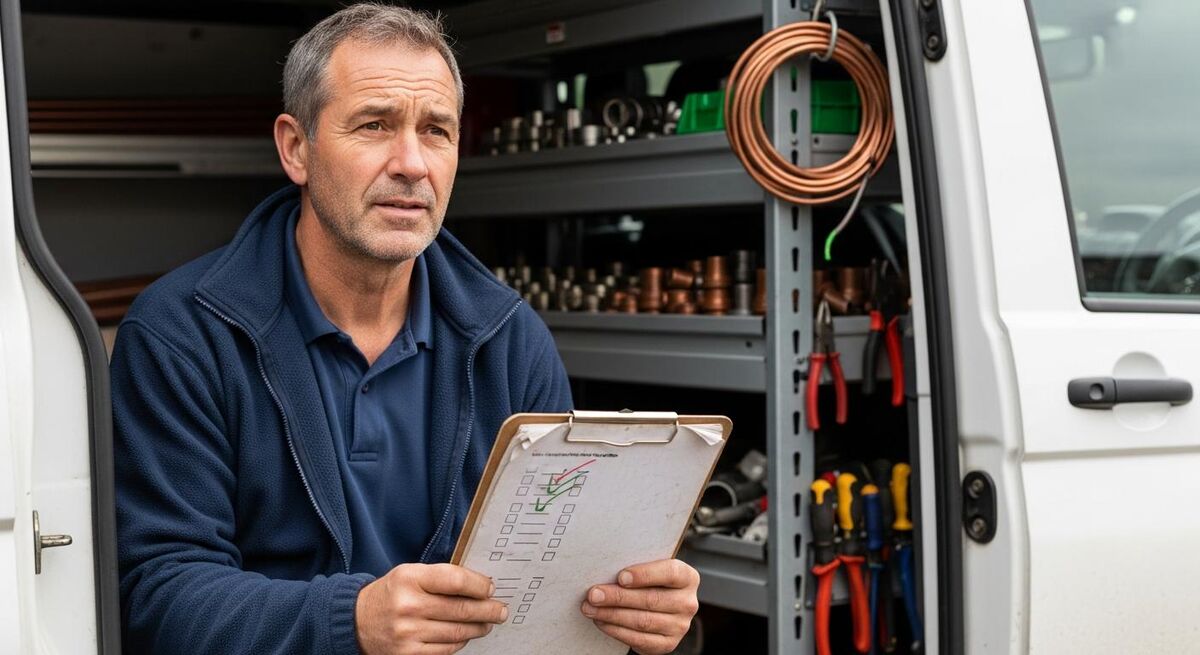
One. Profit is over £80,000 and growing. The pure tax case is close at this level, but the ability to retain profit and time dividend draws gives you flexibility a sole trader does not have. You can also pay into a pension out of company profits before tax. That alone is worth thousands.
Two. You want to take on commercial or public-sector work. Local authorities, housing associations, main contractors, and many letting agents will not engage a sole trader. They want a limited company on the contract because they are insulated from personal bankruptcy and the company can be properly insured and credit-checked. Building Safety Act work in particular tends to require limited status because of the increased liability scope.
Three. You are hiring or planning to hire. Once you have employees, the limited company structure protects your personal assets from employment claims. It also makes payroll, employer NI, and pension auto-enrolment cleaner because the company is the employer, not you personally. If you are at the point of becoming an employer, our sole trader to employer playbook walks through the steps.
Four. The work is high risk and high value. Roofers, gas engineers, scaffolders, electricians on major projects, anyone working with structural elements. The combination of professional indemnity, public liability, and the limited liability shield itself is worth having. Insurance protects you up to a limit. The corporate veil is the backstop.
Conversely, these situations argue for staying a sole trader.
- Profit under £50,000 and stable. The tax savings are minimal and the admin cost is real.
- You work for domestic customers only and use proper public liability insurance.
- You are within two or three years of retirement. The set-up costs and ongoing fees probably will not pay back.
- You have specific benefits to claim. Universal Credit treatment of self-employed income is different to dividends, and getting it wrong can cost real money.
The hidden costs nobody talks about
The tax tables compare gross tax bills. They do not compare the running cost of each structure. That gap can swing the decision by £1,500 a year.
| Cost | Sole trader | Limited company |
|---|---|---|
| Companies House incorporation | £0 | £100 one-off (digital, from 1 Feb 2026) |
| Annual confirmation statement | £0 | £50 a year |
| Bookkeeping / MTD software | £10 to £25 a month | £25 to £50 a month |
| Accountant fees | £300 to £600 a year | £900 to £1,800 a year |
| Payroll (if you draw a salary) | n/a | £100 to £300 a year |
| Separate business bank account | Recommended, often £0 | Mandatory, £0 to £15 a month |
| Director self-assessment | Still 1 return | 1 personal + 1 company return |
Add it up and a limited company costs about £900 to £2,100 a year more to run than a sole trader. That is the bar your tax saving has to clear before you are actually better off.
MTD for Income Tax and where AI fits in

This is the part of the comparison that did not exist five years ago. Both structures now have to file digitally. For limited companies, that has been the case for VAT-registered businesses since 2019, and for corporation tax filing the iXBRL format has been mandatory for longer. For sole traders, the big change is MTD for Income Tax from April 2026 with a £50,000 gross income trigger.
The good news is that the practical difference between structures has shrunk. Both run on the same kind of MTD-compatible accounting software. Xero, QuickBooks and Sage all support sole trader and limited company workflows. The cost difference is mostly which plan you need, not which software you choose.
AI-powered tax categorisation is the part that actually makes life easier for both. Photograph the receipt for that pack of compression fittings, the app reads the supplier, the date, the VAT, the category. It books it to "Materials" or "Tools" without you typing anything. Over a year that saves something like 30 to 50 hours of bookkeeping for a one-person business.
For sole traders, AI categorisation matters most because quarterly MTD updates require accurate records four times a year instead of once. For limited companies, the win is at year-end when corporation tax returns and accounts have to balance to the penny.
For sole traders specifically, our MTD set-up guide walks through the steps. There is also a free record-keeping pack with the categorisation rules HMRC expects.
How to switch from sole trader to limited
If the numbers say you should switch, here is the order of operations. None of these steps are hard on their own. The mistake is doing them in the wrong order and ending up with two sets of accounts that do not reconcile.
- Pick a year-end date and an effective date. Most trades use 31 March or 5 April to match the personal tax year. The switch date is normally the start of a month so the sole trader books close cleanly.
- Form the company at Companies House. £100 online from February 2026. You need a registered office address, director details, share allocation, and a SIC code. For most trades, 43210 (electrical installation), 43220 (plumbing), 43330 (floor and wall covering) or 43999 (other construction) fits.
- Register the company for Corporation Tax with HMRC. This happens automatically a few weeks after incorporation. You will get a UTR for the company.
- Open a business bank account in the company name. Sole trader accounts cannot be used. Most digital banks now do this in a day. A few traditional banks still take two weeks.
- Transfer business assets at market value. Vans, tools, plant, stock. The sole trader sells them to the company at fair value. This triggers a balancing charge or allowance on the sole trader Self Assessment, and the company gets the capital allowances from then on.
- Tell HMRC the sole trader has ceased. You file a final Self Assessment covering the period up to the cessation date. After that you file as a director instead.
- Set up PAYE if you are drawing a salary. Even a £5,000 director salary needs a PAYE scheme. The scheme runs through the company.
- Update insurance, vehicle V5s, customer contracts. Public liability, professional indemnity, fleet insurance, customer terms and conditions. All need to be in the company name from the effective date.
Allow 4 to 8 weeks from decision to fully operational. The Companies House piece is instant. The bank, HMRC registrations and asset transfers take the time.
What tradespeople are saying
Recommended videos

Exactly When to Go From Sole Trader to Limited Company
Heelan Associates
Why You Should NOT Start an LTD in 2026!
Heelan Associates

Sole Trader to Limited Company: Key Things to Know
Heelan Associates

This Change Marks the End of the Sole Trader as We Know It
Heelan Associates

How Does Self Employment Tax Work in the UK?
Heelan Associates
Director Salary Tips Every Business Owner Needs to Know
Heelan Associates
Frequently asked questions
Not on personal cash extraction alone. The April 2026 dividend rate rise pushed the break-even to around £100,000 of profit if you draw everything. The case for going limited at £50k to £80k is liability protection, retained profit, pension contributions, and credibility with commercial clients. The pure tax win comes later.
For pure tax efficiency in 2026/27, somewhere between £100,000 and £120,000 of annual profit if you are extracting it all. Below that, the corporation tax plus dividend tax combination often comes out higher than Income Tax plus NI. The exception is if you can leave money in the company to reinvest, fund a pension, or buy equipment outright.
It changes the admin equation more than the tax. Sole traders over £50,000 gross income now have to file quarterly digital updates from April 2026. That removes a chunk of the "limited company is more paperwork" argument. Both structures now require MTD-compatible software and ongoing record-keeping. The tax maths stays the same.
Yes, and plenty of people are. You might run a domestic plumbing business as a sole trader and be a director of a separate company for commercial work, or hold a non-executive directorship somewhere else. Each is treated separately for tax. Just keep the bookkeeping completely separate.
The limited company has to register for CIS in its own right. Deductions taken from the company under CIS get offset against the company's corporation tax and employer NI. Your sole trader CIS records close on the cessation date. Get an accountant involved here; CIS reconciliations across a switch are where most accidental tax bills happen.
Not automatically. The VAT registration threshold is £90,000 for both sole traders and limited companies in 2026/27. Below that, registration is voluntary. Some commercial clients require VAT-registered suppliers so they can reclaim, which is a reason to register early. Domestic-focused trades usually leave it until the threshold forces the issue.
The Companies House piece is same-day if you file online. The full operational switch, including business bank account, HMRC registrations, asset transfer and insurance changes, typically takes 4 to 8 weeks. Plan for a clean cut-off at the start of a month or the tax year to make the books simpler.
Yes. You strike off the limited company at Companies House (£13 from February 2026) and resume as a sole trader. The wrinkle is unwinding the corporate balance sheet without triggering unintended tax. If the company has retained profit, drawing it out as a final dividend before strike-off has tax consequences. Get advice on this one.
My verdict
In 2026/27, that point sits higher than people think. For most one-person trades operations turning under £90,000 with one customer base and proper insurance, sole trader is still the right answer. Above that, look hard at liability, credibility, and whether you can keep money in the company. The pure tax saving is not the headline it used to be, but the structural benefits of a limited company are real. Whatever you choose, get the bookkeeping right from day one. MTD for Income Tax in April 2026 makes that non-negotiable.
None of this is tax advice for your specific situation. Run the numbers with a trades accountant before you do anything irreversible.