
Quick Answer
The Renter's Rights Act 2025 took effect on 1 May 2026 and it has changed the rules for anyone doing work in a rented home. Landlords now face civil penalties up to 40,000 pounds for safety breaches, Awaab's Law forces 10-day investigations into damp and mould, and the Decent Homes Standard is on its way to the private rented sector. For trades, that means tighter timescales, more documentation, better access procedures, and a real opportunity for the firms that get their compliance paperwork right.
Table of Contents
- What is the Renter's Rights Act and why does it matter for trades
- The big picture: the numbers that matter
- Decent Homes Standard arrives in the PRS
- Awaab's Law and what 10 days really means on a damp job
- EICR, gas safety, and the new penalty regime
- Access, notice and quiet enjoyment
- The paperwork landlords need from you
- What landlords and trades are saying
- Videos worth watching
- Frequently asked questions
- My verdict
What is the Renter's Rights Act and why does it matter for trades

The Renter's Rights Bill became the Renter's Rights Act 2025 when it received Royal Assent on 27 October 2025. The first big phase of changes went live on 1 May 2026. From that date onwards, any new tenancy in England is an Assured Periodic Tenancy. Section 21 no-fault evictions are gone. Rent increases are capped at one per year through a Section 13 process. And the civil penalties for safety breaches have been pushed up to 40,000 pounds.
If you only read the headlines, this looks like a tenant rights story. It is not. The Act has knock-on effects for every electrician, gas engineer, damp and mould specialist, plumber and general builder who works on rented stock in England. The pressure on landlords to keep properties safe and well-maintained has gone up sharply, and that pressure flows downhill to the trades they hire.
I have spent twenty-odd years either fixing rented properties or selling software that schedules the trades who do. The pattern after every big PRS reform is the same. Demand for compliant tradespeople goes up. The slap-dash operators get pushed out. The trades that can prove their work to a paper trail standard win more work, charge more, and grow.
The big picture: the numbers that matter
That last figure is the one most people are getting wrong. The Decent Homes Standard does not have to be met by every landlord on 1 May 2026. The Government has confirmed 2035 as the full enforcement deadline. But the standards themselves are now defined, the criteria are public, and savvy landlords are using the next nine years to bring stock up to scratch rather than scramble at the end.
That nine-year window is your opportunity. The smart play for a damp specialist, a heating installer or a domestic electrician is to position now as the contractor of choice for compliant remediation. The work is coming. The question is whether you have the paperwork and the workflow to win it.
Decent Homes Standard arrives in the PRS
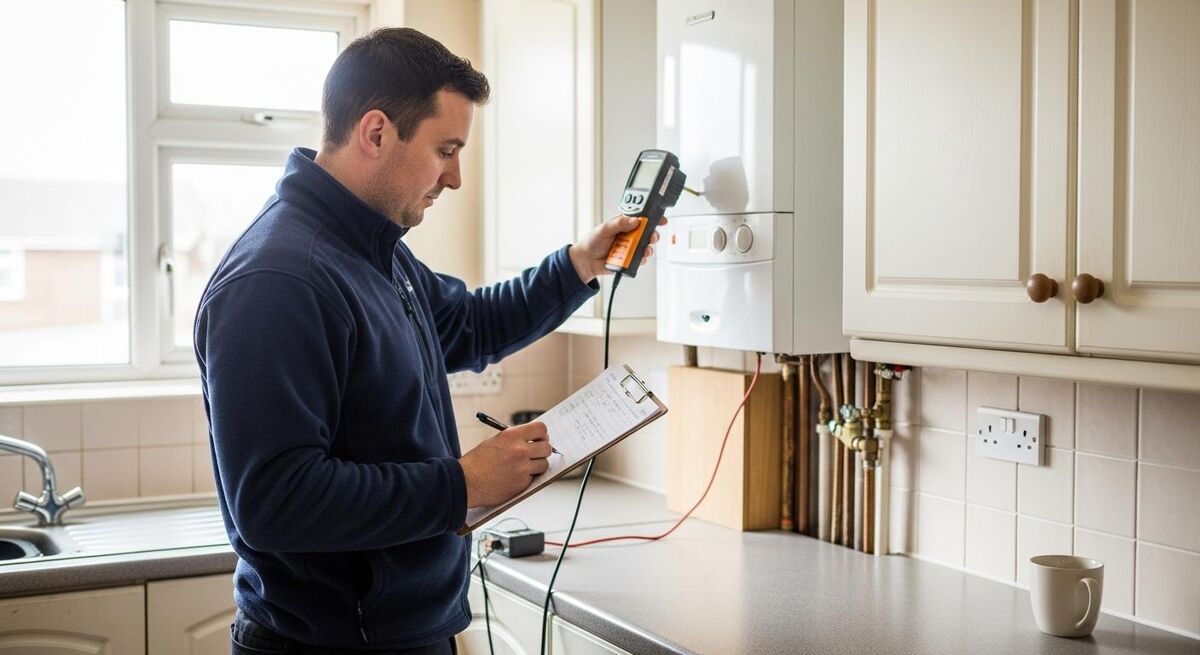
The reformed Decent Homes Standard, confirmed in the Government's policy statement on 28 January 2026, will apply to private rented homes for the first time. It sits on five criteria.
- Criterion A: Free of category 1 hazards. The home must be free of any HHSRS category 1 hazard. This includes excess cold, fire risk, falls, electrical hazards and damp.
- Criterion B: Reasonable state of repair. Key building components (roof, walls, windows, electrical system, heating) must be in a reasonable state of repair.
- Criterion C: Reasonably modern facilities and services. Kitchens and bathrooms must meet minimum age and condition thresholds.
- Criterion D: Adequate heating and thermal comfort. A primary heating system capable of maintaining a healthy indoor temperature, typically 18 degrees Celsius, throughout the whole home.
- Criterion E: Free of damp and mould. This is the brand new criterion. Properties that fail HHSRS damp and mould assessments fail the standard.
Criterion D is the one that quietly rewires a lot of installer work. Partial heating, single-room electric heaters and night-storage-only setups in three-bed semis are now firmly in the "needs review" category. If you are a heating installer, expect more enquiries for whole-home solutions, more conversations about heat loss surveys, and more pressure from landlords to deliver something that ticks the thermal comfort box without breaking the rent margin.
For background on how building regulations interact with these standards, my earlier piece on building control notifications covers when you have to notify and when a competent person scheme registration covers you.
Awaab's Law and what 10 days really means on a damp job
Awaab's Law came into force for the social rented sector on 27 October 2025. The Government has confirmed it will extend to the private rented sector. The expected timing is regulations during 2026, with private landlord obligations going live in 2027.
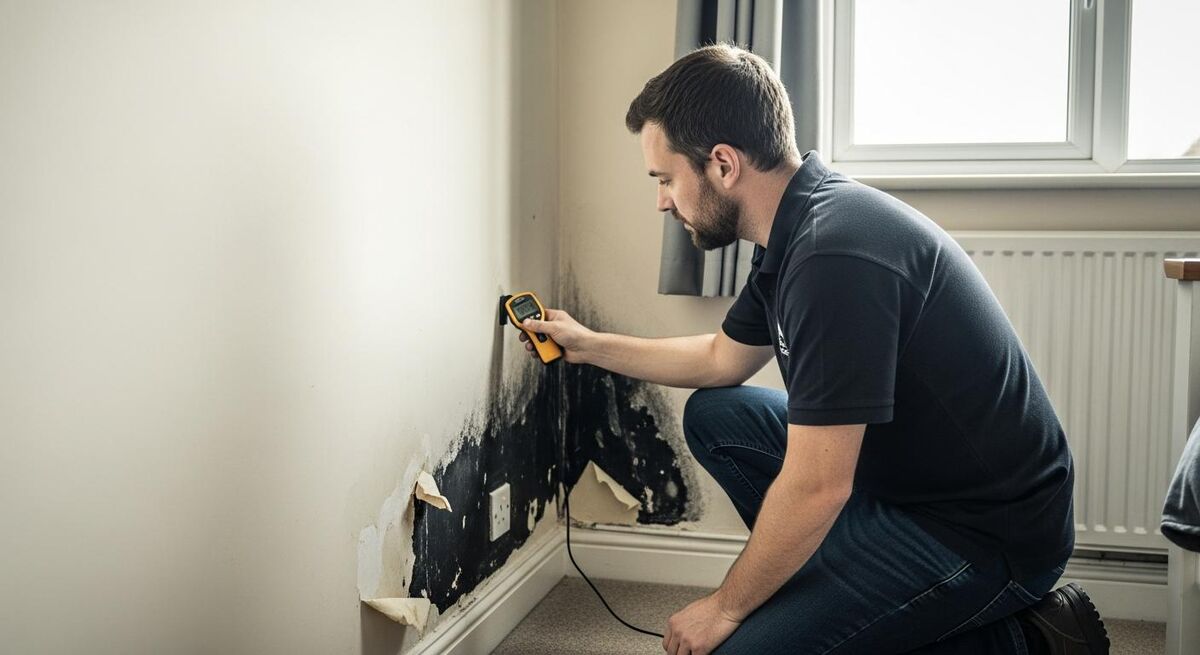
The structure of the law is what matters for trades. Once a damp and mould hazard is reported, the landlord has:
- 10 calendar days to investigate.
- 3 working days after the investigation to share findings with the tenant in writing.
- 5 working days from investigation completion to start remedial works.
- 12 weeks to complete complex works, where applicable.
- 24 hours to act on an "emergency hazard" with imminent and significant risk of harm.
If you are the damp specialist that landlord calls, those timescales are now your timescales. The landlord is on the hook for civil penalties and Housing Ombudsman determinations if you fail to attend, fail to report, or fail to remediate inside the window. Expect to see service level agreements written into the way landlords engage trades. Some will want a 48-hour callout commitment. Some will want a guaranteed survey appointment within the first five days.
EICR, gas safety, and the new penalty regime
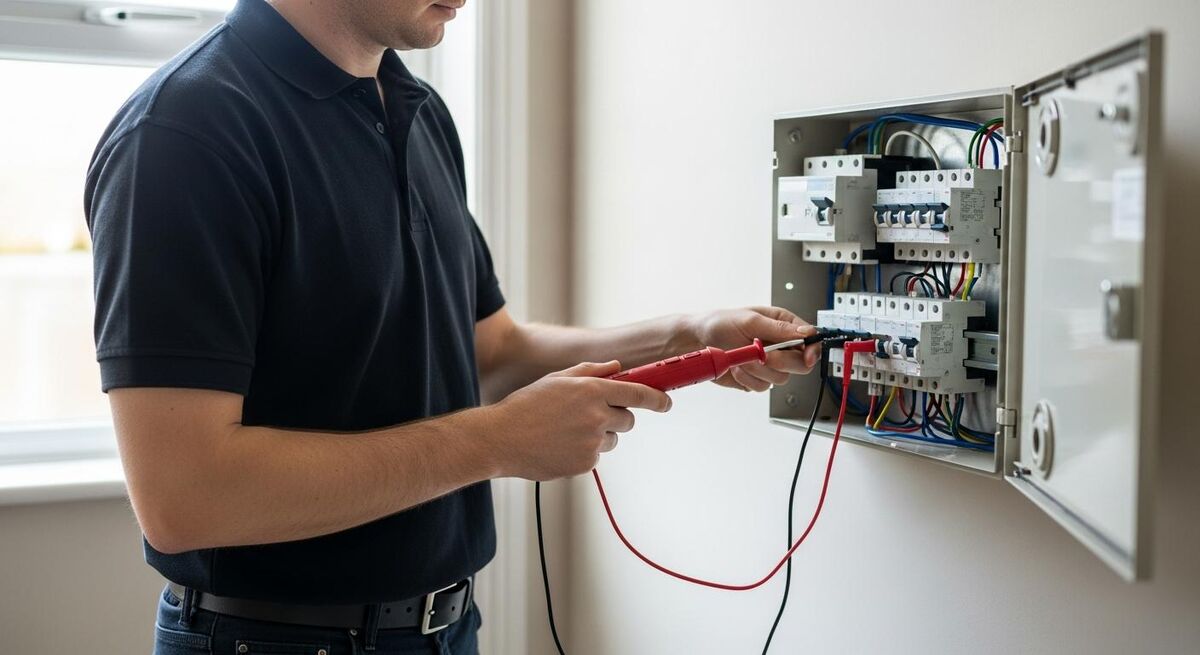
The EICR rules themselves have not changed wholesale. Landlords still need a valid EICR on day one of any new tenancy, must repeat it every five years, and must give every new tenant a copy within 28 days. What has changed is the consequence of getting it wrong.
Under the Renter's Rights Act the maximum civil penalty for electrical safety breaches is now 40,000 pounds per offence (up from 30,000 pounds). Failing to maintain a valid certificate can also block a landlord's ability to regain possession through most Section 8 grounds. For repeat or serious breaches, the route to criminal prosecution remains open.
Gas safety has not been left behind. The CP12 annual landlord gas safety check is still in place, with civil penalties up to 6,000 pounds for not providing a valid certificate, and the Health and Safety Executive can still prosecute under the Gas Safety (Installation and Use) Regulations 1998 in serious cases. For more on Gas Safe registration requirements, see my Gas Safe Register guide.
The same point applies for boiler servicing and gas remedial work. A landlord who has to chase you to come back and finish a job is a landlord who is sitting at risk of penalty. Quote, attend, document, and close out. The trades that win the next five years of PRS work will be the ones whose paperwork makes the landlord's compliance file easier, not harder. For full detail on the testing regime, my Electrical installation testing and certification guide walks through it.
Access, notice and quiet enjoyment
Access rules under the Housing Act 1988 have not been rewritten by the Renter's Rights Act, but the new tenant rights and reporting culture make compliance with them more important. Standard rules:
- 24 hours' written notice before entry.
- Visit at a reasonable time.
- Tenant must give consent unless it is an emergency.
- Tenants have a statutory right to quiet enjoyment.
- Emergency entry (real risk to life or serious damage) is the only exception.

What this means in practice. If the landlord cannot organise access through the tenant, you cannot force entry, even with a written instruction. If you turn up without the proper notice and the tenant refuses, walk away. The landlord owes them quiet enjoyment, and any complaint about an unannounced visit may land at the new PRS Landlord Ombudsman.
I would also be polite about it. The Renter's Rights Act has built a culture where tenants understand their reporting routes far better than they did even two years ago. A rude or rushed tradesperson is a tenant complaint waiting to happen. It is unfair to the tenant and it is bad for your landlord client. Train your team to introduce themselves, show ID, and explain what they are doing and how long it will take.
The paperwork landlords need from you
The PRS Database, which launches regionally from late 2026, will require landlords to register their properties and upload their compliance evidence. The roadmap confirms that EICR, EPC and Gas Safety certificates will all sit on the database. The further phase, expected later in the decade, will add Decent Homes Standard evidence.
If you are issuing certificates, your paperwork is going on a government database. Treat it accordingly. The five documents landlords now want from you on every job:
- A clear scope of work. Quoted before the job, signed off before invoicing.
- The relevant certificate or report. EICR, Gas Safety Record, EPC, F-Gas, asbestos register, damp survey, or whichever applies. Issued in the landlord's name with the right property address.
- Photo evidence. Before and after photos of the work, time-stamped and saved to a job file. This is your defence if the work is later questioned, and it is your landlord's defence if a tenant complains.
- Cause and remedy notes. Particularly for damp and mould work, write down what you found, what caused it, what you did, and what the landlord should do next. A simple bullet list works.
- Next-action timeline. What needs doing in three years, five years, ten years. Service records, retest dates, decennial recoats. The landlord's planned maintenance file lives or dies on this.
For trades with overlapping responsibilities, like asbestos surveys before renovation, see my detailed write-up on asbestos surveys before renovation. And on the changes to BSI standards that have moved in the last 18 months, my BSI standards changes guide covers what is current.
What landlords and trades are saying
Videos worth watching

Damp and mouldy homes still an issue as Awaab's Law comes in
ITV News
Awaab's Law Explained: What Landlords Must Know and How to Comply
Property compliance briefing

Understanding Awaab's Law and Its Impact on Private Landlords
Private landlord guidance

Damp and Mould Masterclass: Awaab's Law and Preventing Reoccurrence
Damp specialist training
Awaab's Law: What Every Renter Needs to Know
Tenant rights overview

Awaab's Law protecting tenants from deadly damp and mould
Housing reform overview
Frequently asked questions
Not legally on every job, but practically yes. Anything safety-related (electrical, gas, damp and mould, asbestos, fire) wants a written record. The PRS Database is going to expect documentation. A short photo-and-bullet job sheet is enough for most general work.
You can decline any job. For electrical work, if you find a Category 1 hazard you must inform the landlord in writing and recommend immediate disconnection until repaired. Walking away from a clearly dangerous installation without flagging it is a competence issue and could land you in front of your scheme provider.
Walk away. Document the time, the address, and what the tenant said. Email the landlord that you attended but could not gain access. The landlord then has to re-arrange and re-notice. Forcing entry is illegal in everything but a genuine emergency.
No. The Act applies to assured tenancies. Short-term holiday lets, lodgers, and most company lets are outside scope. But the underlying gas safety, EICR and HHSRS rules still apply for any rented residential property.
Three things. One, where the damp and mould is (room, surface, area in square metres if you can). Two, the suspected cause (rising damp, penetrating damp, condensation, leak, ventilation, cold-bridging). Three, what remediation you carried out or are recommending, with a timeframe. That is the minimum the landlord needs to evidence Awaab's Law compliance.
Landlords will be uploading your certificates to a government system. Expect more landlords to ask for digital copies, properly formatted PDFs and clean property addresses on every document. The trades who can deliver a tidy digital pack will win more repeat work.
The Renter's Rights Act is England-only. Scotland has its own regime (Private Housing Tenancies Act 2016 and a separate Awaab's Law currently in development). Wales operates under the Renting Homes Wales Act 2016. The compliance fundamentals (gas safety, electrical safety, fitness for habitation) are broadly similar.
My verdict
The Renter's Rights Act is not a one-off shake-up. It is the start of a decade of tighter PRS compliance, more documentation, faster timescales and bigger penalties. The landlords who survive will be the ones who build relationships with trades who can issue clean reports, attend on time, and remediate to a standard the Ombudsman cannot pick holes in. Position yourself as that contractor now, while the market is still adjusting, and you will spend the next ten years quoting on better-margin work than the operators who treat paperwork as an afterthought.