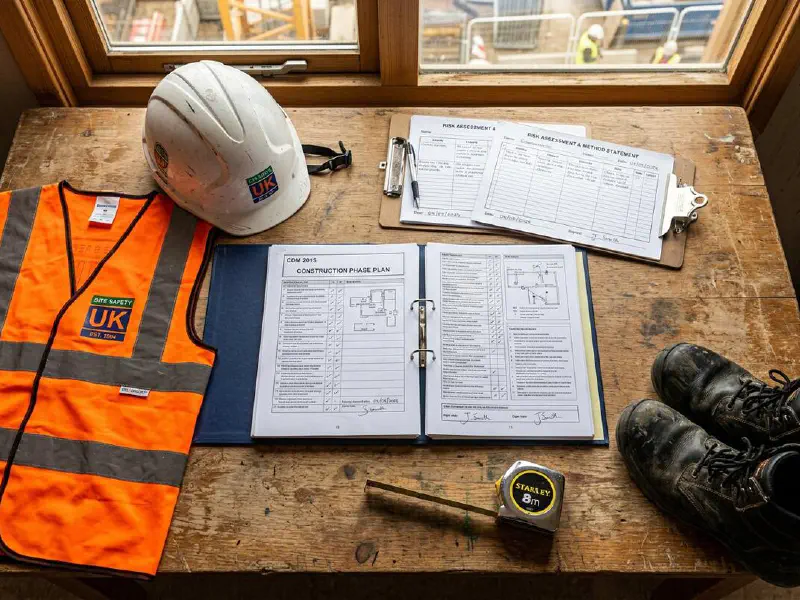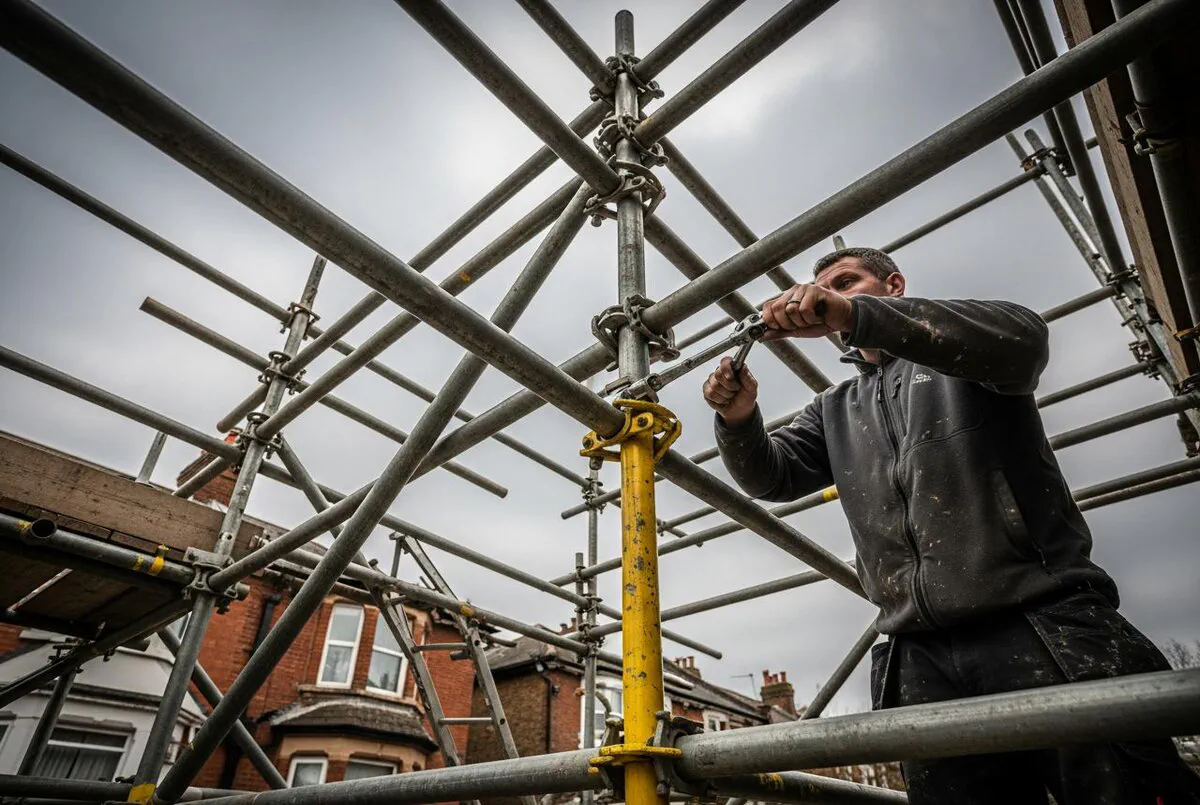

Quick Answer
Only competent, CISRS-qualified scaffolders can legally erect scaffolding on UK construction sites. Trainee scaffolders (Part 1, red card) must work under direct supervision. Inspections are required before first use, every 7 days, and after any event that could affect stability. The full CISRS pathway from labourer to advanced scaffolder takes 3 to 4 years. Getting this wrong carries unlimited fines and prison time, so it pays to understand exactly who can do what.
Table of Contents
- The legal framework you need to know
- Who can actually erect scaffolding?
- The CISRS qualification pathway
- Scaffold inspections: who, when, and how
- TG20 compliance vs bespoke scaffold design
- Training costs and CITB grants
- What happens when it goes wrong
- Timeline: zero to advanced scaffolder
- What scaffolders are saying
- Recommended videos
- Frequently asked questions
- My verdict
The legal framework you need to know
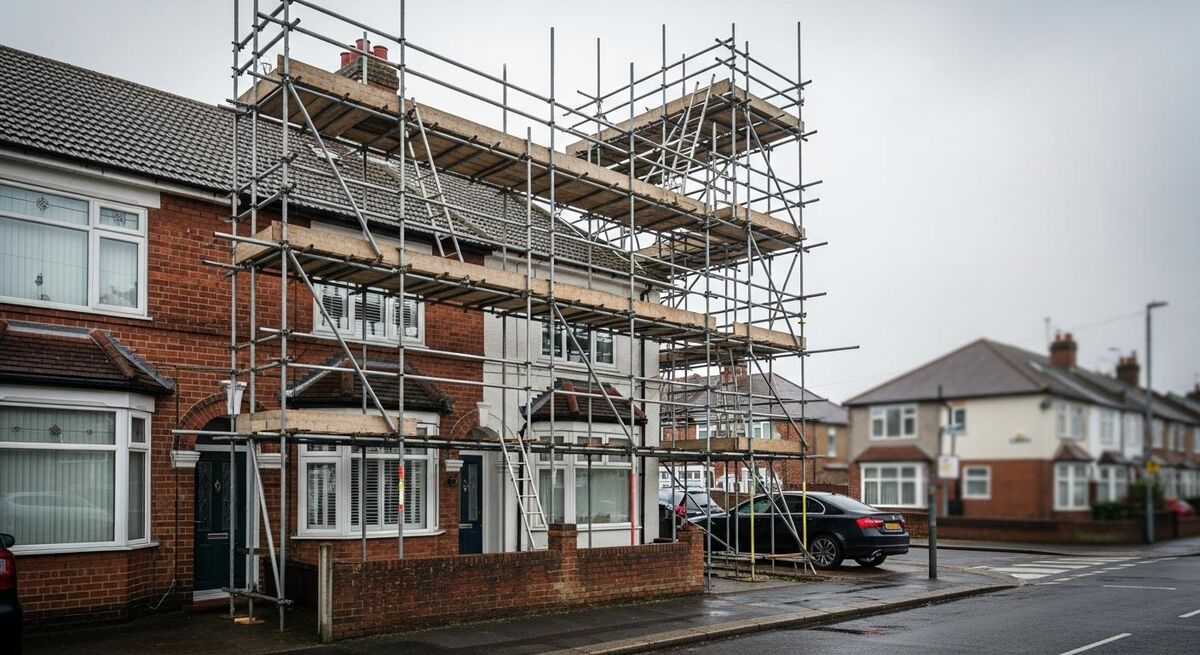
Four pieces of legislation govern scaffolding in the UK. If you work in construction, you need to know all of them. Not in detail, necessarily, but well enough to know where your responsibilities start and end.
The Work at Height Regulations 2005 are the big one. They require employers and self-employed contractors to assess fall risks and organise work safely. Scaffolds must be designed, erected, altered, and dismantled only by competent people under the direction of a competent supervisor. That word "competent" comes up a lot. We will get to exactly what it means shortly.
The Construction (Design and Management) Regulations 2015 (CDM 2015) sit alongside these. Principal contractors must ensure scaffolding is planned, erected, and maintained properly. This applies to all construction projects, including domestic work where homeowners take on client duties. If you are a contractor hiring scaffolders, CDM makes you responsible for checking they are qualified and competent.
Then there is the Health and Safety at Work Act 1974, the overarching legislation. Section 2(1) places a general duty on employers. Section 7(a) places a duty on individual employees to take reasonable care. Both companies and individuals can be prosecuted. And finally, PUWER 1998 (Provision and Use of Work Equipment Regulations) classifies scaffolding as work equipment requiring proper maintenance and trained operators.
Who can actually erect scaffolding?
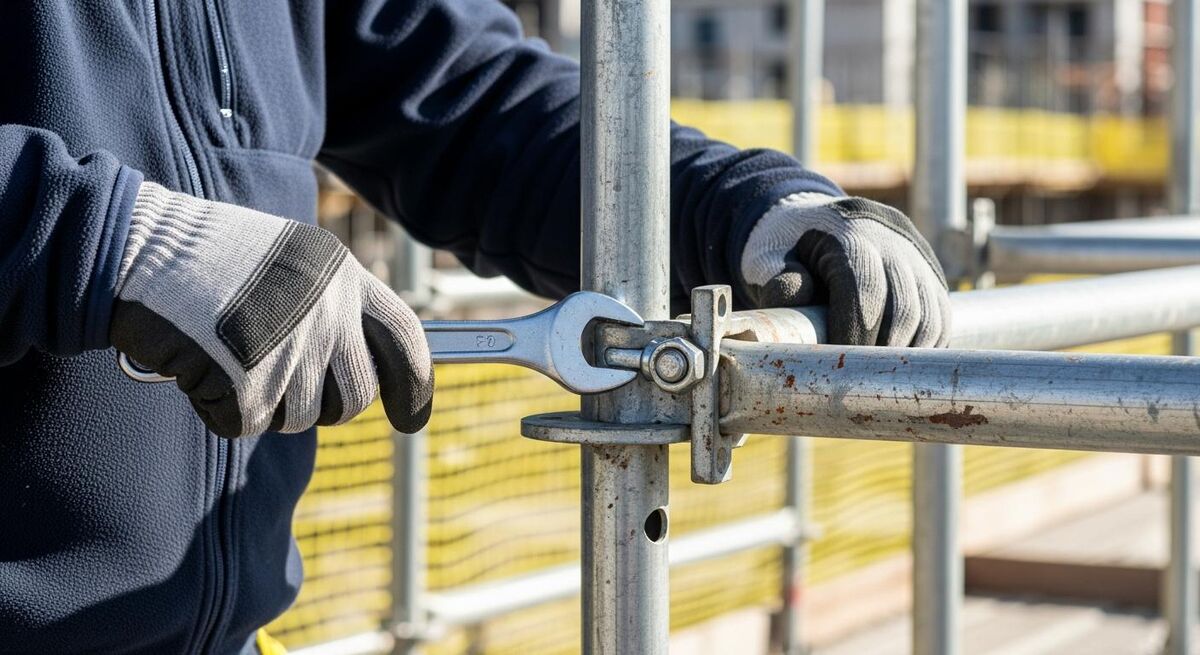
This is where the confusion sits for most people, so let me lay it out plainly.
Qualified scaffolders (CISRS cardholders with a blue Scaffolder or gold Advanced Scaffolder card) can erect, alter, and dismantle scaffolding appropriate to their card level. Standard configurations for the blue card. Complex structures like cantilevers, temporary roofs, and drop scaffolds for the gold card.
Trainee scaffolders (red card, Part 1 completed) can work on scaffolding, but only under the direct supervision of a qualified scaffolder. They cannot work independently. Every scaffold gang needs at least one fully qualified person on it.
Labourers (green card, COTS completed) can assist with scaffold work: passing tubes, moving materials, basic tasks. They cannot erect scaffolding.
Non-scaffolders and tradespeople should not be erecting tube and fitting scaffolding. Full stop. If a tradesperson needs to assemble basic system scaffolding (a small tower, say, up to 6 metres), the CISRS BASE card exists for exactly that purpose. It is a separate qualification.
When it comes to your own safety and the safety of those around you, you should always instruct a trained professional. I have seen what happens when people cut corners, and the consequences are severe. A trade is a craft, and scaffolding is no different. These are things you can only learn by doing, day after day, under the guidance of someone who has already made every mistake in the book.
The CISRS qualification pathway
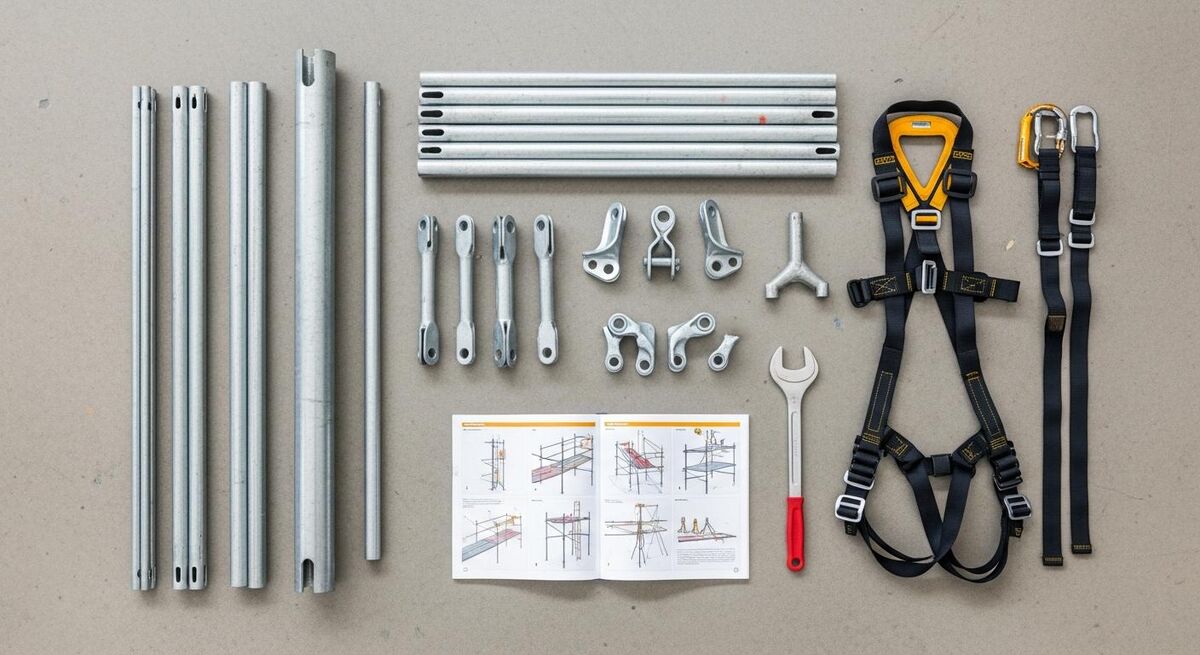
CISRS (Construction Industry Scaffolders Record Scheme) has been the industry-recognised scaffolding qualification since the 1960s. Over 70,000 cardholders work across the UK. The progression is structured and clear, which is one of the things I respect about it.
Here is how the pathway works:
| Card | Colour | Course | Prerequisites | Validity |
|---|---|---|---|---|
| Labourer | Green | COTS (1 day) | CITB HS&E test, valid ID | 5 years |
| Trainee Scaffolder | Red | Part 1 (10 days) | 18+, Labourer card for 3 months, 6 months site experience | 18 months |
| Scaffolder | Blue | Part 2 (10 days) + NVQ L2 + 1-day skills test | Trainee card, 6+ months since Part 1 | 5 years |
| Advanced Scaffolder | Gold | Advanced (10 days) + NVQ L3 + 2-day skills test | Scaffolder card held 12+ months, NVQ L2 complete | 5 years |
| Supervisor | Black | Supervisor (5 days) | Scaffolder/Advanced card or 2+ years experience with employer endorsement | 5 years |
CISRS cards are affiliated with the CSCS (Construction Skills Certification Scheme), so scaffolders do not need a separate CSCS card. The CISRS card serves the same purpose on sites that require CSCS-type cards.
What I find well-structured about this pathway is that it mirrors what I believe about trades training generally. You cannot shortcut it. Each level requires genuine time on site, supervised practice, and formal assessment before you move on. As of March 2024, CISRS tightened the rules further: the COTS course now only leads to a Labourer card (previously it could lead to a Trainee card), and the wait before Part 1 has been reduced from 6 to 3 months.
Scaffold inspections: who, when, and how
Scaffold inspections are required at three points:
- Before first use (after assembly)
- Every 7 days maximum while the scaffold is in service
- After any event that could affect stability: high winds, impact, alteration, anything unusual
These requirements apply to all scaffolds from which a person might fall 2 metres or more. Inspection results must be recorded and kept until the next inspection.
Who can actually inspect? The answer depends on complexity. For standard scaffolds (independent tied, tower, basic birdcage), a person who has completed the CISRS SITS (Scaffolding Inspection Training Scheme) course is deemed competent. That includes site managers and health and safety officers who have attended the 3-day SITS course. For complex scaffolds such as cantilevers, loading bays, and temporary roofs, you need an advanced-qualified inspector, typically someone with a CISRS Advanced card or a SITS Advanced certificate.
A proactive approach to inspections always pays dividends compared to waiting for something to go wrong. The cost of a proper inspection is nothing compared to the cost of a collapse or a prosecution. Independent scaffold inspection typically costs between £300 and £500 per visit.
TG20 compliance vs bespoke scaffold design

TG20:21 is the NASC's definitive guidance for tube and fitting scaffolding. It covers the most common scaffold configurations, and if your scaffold falls within TG20's parameters, you can generate a compliance sheet through the eGuide software rather than commissioning a bespoke design. This saves both time and money.
Scaffolds covered by TG20:21 (no bespoke design needed) include independent tied access scaffolds up to 50 metres, interior birdcages, lift shaft scaffolds, free-standing towers (up to 10 metres internal, 8 metres external), and standard loading bays.
Scaffolds that require a bespoke design include cantilevers, truss-outs, temporary roofs, shoring scaffolds, raking shores, scaffolds exceeding 50 metres, and anything that falls outside the manufacturer's published guidance for system scaffolding. If you are unsure, err on the side of getting a design. The cost is modest compared to the risk.
Alongside TG20, the NASC publishes SG4:22, which is the core fall prevention guidance for scaffolding operations. SG4 establishes the principle that collective protection (guard rails, fully boarded platforms) takes priority over personal protection (harnesses). A harness is a backup. The scaffold itself should be designed so that nobody needs to rely on one.
For the Building Safety Act's golden thread requirements, scaffold design documentation is part of the audit trail that higher-risk building projects need to maintain. Keep every compliance sheet and design drawing.
Training costs and CITB grants
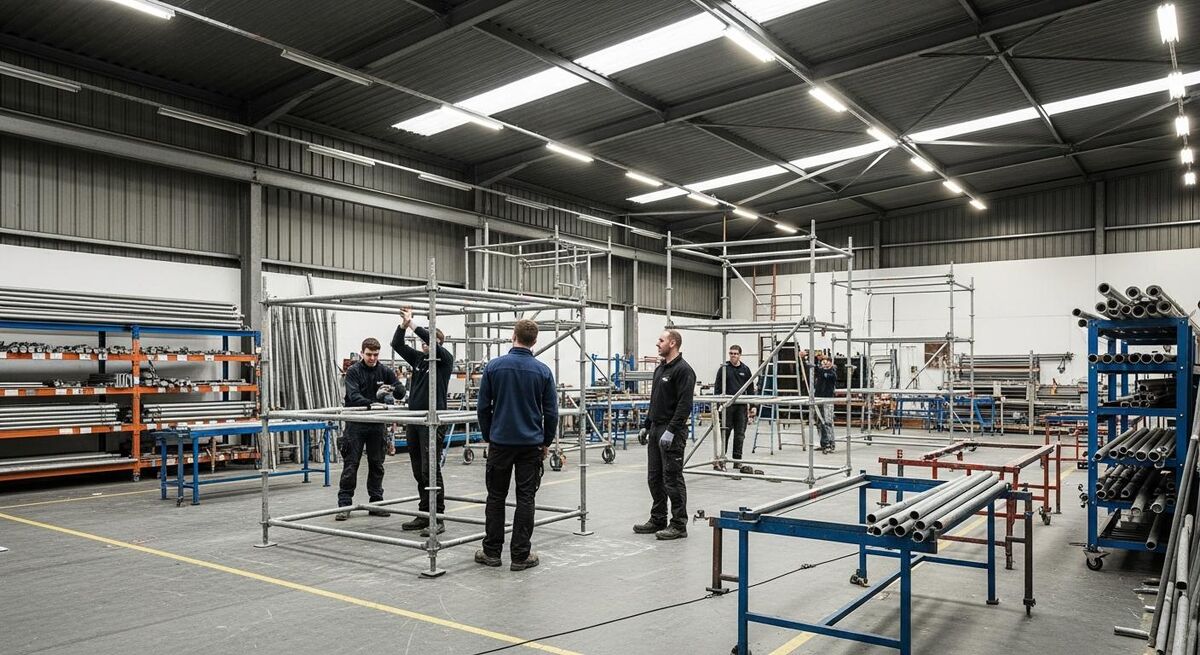
Scaffold training is not cheap. But the CITB grants take a meaningful chunk off the cost for registered employers. Here is what the numbers look like:
| Course | Duration | Typical cost | CITB grant |
|---|---|---|---|
| COTS (Labourer) | 1 day | £160 + VAT | N/A |
| Part 1 (Trainee) | 10 days | £1,200 - £1,715 | N/A |
| Part 2 (Scaffolder) | 10 days | £1,200 - £2,095 | £500 per person |
| Advanced | 10 days | £1,200 - £1,700 | £500 per person |
| Supervisor | 5 days | £850+ | £240 per person |
| Basic SITS (Inspection) | 3 days | £500+ | N/A |
| Advanced SITS | 2 days | £420 - £495 | £140 per person |
| CPD Refresher | 2 days | £425 - £495 + VAT | N/A |
| BASE (non-scaffolders) | Varies | £600 | N/A |
To be straight with you: £1,200 for a 10-day course is not nothing, especially for a smaller scaffolding firm training apprentices. When I was running my own business and training apprentices, I remember thinking that the £1,000 government apprenticeship grant was not even enough to cover uniform and fuel costs for the first year. The economics of training are difficult. But the alternative, employing unqualified people, carries risks that make the cost of training look trivial.
What happens when it goes wrong
HSE does not mess about with scaffolding. Falls from height remain the single biggest killer in UK construction, accounting for 35 fatalities in 2024/25. A significant proportion of those involve scaffolding.
Here are real prosecution outcomes from the past 18 months:
- A.I.M Access Solutions Ltd was fined £30,800 plus £5,041 costs at Wirral Magistrates' Court (February 2025) for failing to ensure a tower scaffold was constructed correctly.
- WH Metals Limited was fined £45,000 plus £4,826 costs at Bolton Magistrates' Court (September 2025) after an employee fell from an unguarded scaffolding tower and later died.
- A London property refurbishment company was fined £160,000 plus £4,788 costs and a £2,000 victim surcharge at Highbury Corner Magistrates' Court (December 2025) following a worker falling from scaffolding with life-changing injuries.
- A construction firm was fined £25,000 plus £83,842 in costs at Canterbury Crown Court (March 2024) following a worker's fatal fall from a scaffold.
Beyond fines, there are insurance implications. If your scaffold is erected by unqualified personnel and something happens, your insurer has grounds to reject the claim. Public liability insurance for scaffolding contractors starts from around £87 per month, but that cover depends on having CISRS-qualified operatives doing the work.
Timeline: zero to advanced scaffolder
One of the questions I get asked most about trades qualifications is "how long does it actually take?" So here is the honest answer for scaffolding. It is not a quick process, and it should not be.
COTS course (Day 1)
One-day course. Pass this and you get a green Labourer card, valid for 5 years. You can assist on scaffold gangs but not erect scaffolding. Cost: around £160 + VAT.
Wait period (3 months minimum)
Work on site as a labourer. Build your experience. Learn the materials, the terminology, the rhythm of a scaffold gang. This wait was reduced from 6 months to 3 months in March 2024.
Part 1 training (10 days)
Two-week course covering H&S awareness, SG4 fall prevention, scaffold types, foundations, stability, and ties. Assessment includes a 50-question written test and practical. Pass and you get a red Trainee Scaffolder card, valid 18 months. Cost: £1,200 to £1,715.
Site experience (6+ months)
Work under direct supervision of a qualified scaffolder. You cannot work independently on a trainee card.
Part 2 training (10 days) + NVQ Level 2 + Skills Test
Two-week course covering advanced scaffold types, bridging, protection fans, truss-outs, loading bays, and inspections. Then complete your NVQ Level 2 (work-based assessment), gain 6+ months more site experience, and pass the mandatory 1-day skills test. Blue Scaffolder card, valid 5 years. Course cost: £1,200 to £2,095.
Experience as a qualified scaffolder (12+ months)
Hold your blue card for a minimum of 12 months before progressing. This is hands-on time building your competence on a range of scaffold configurations.
Advanced course (10 days) + NVQ Level 3 + Skills Test
Complex design interpretation, drop scaffolds, raking shores, dead shores, temporary roofs, stairways, and advanced inspections. Then NVQ Level 3, 6+ months experience, and a 2-day skills test. Gold Advanced Scaffolder card, valid 5 years. Cost: £1,200 to £1,700.
Total elapsed time from COTS to Advanced Scaffolder: approximately 3 to 4 years minimum. That is not a course you can rush through on a weekend. And that is the point. A trade gives you something no office job can: the ability to work anywhere, for yourself, for life. But you earn that through sustained, supervised practice.
What scaffolders are saying
Recommended videos
NASC Explaining CISRS Scaffolder Cards
NASC

Scaffolding Inspection Course Demo
Human Focus International

CISRS Scaffold Training: Tube Cube
NASC

CISRS Part 1 Scaffold Training Time Lapse
NASC

GKR Scaffolding Apprenticeship Scheme
GKR Scaffolding

What Is a Typical Day for a Scaffolding Apprentice?
High Stakes Jobs

Scaffolding Apprenticeships: Anas's Story
BrandSafway International

Full Scaffold to House Erected Solo
Shark Scaffold
Frequently asked questions
Technically, yes. There is no law preventing a homeowner from erecting scaffolding on their own property for their own use. But the moment you hire anyone to work on or from it, you take on legal duties under CDM 2015 and Work at Height Regulations. In practice, hire a scaffolding contractor. It is not worth the risk.
CSCS is the broad construction skills card scheme. CISRS is the specialist scaffolding version, affiliated with CSCS. If you hold a valid CISRS card, you do not need a separate CSCS card. Sites that require CSCS accept CISRS.
Yes, if they have completed the 3-day CISRS SITS course. For standard scaffolds, a SITS certificate combined with relevant site experience makes someone competent to inspect. Complex scaffolds need an advanced inspector.
Every 5 years for Scaffolder, Advanced, and Supervisor cards. Renewal requires a 2-day CPD Refresher course (around £425 to £495 + VAT). You need to renew within 6 months of expiry. Trainee cards are only valid for 18 months.
The CISRS BASE (Basic Access System Erector) card is for non-scaffolders, typically tradespeople, who need to erect basic system scaffolding up to 6 metres. It is not a substitute for a full CISRS qualification. If you are erecting tube and fitting scaffolding or anything complex, you need a proper CISRS card.
No. Scaffold tags are a useful visual communication tool that tells site workers whether a scaffold has been inspected and is safe to use. But they do not replace the legal requirement for formal inspections with written records every 7 days.
My verdict
Scaffolding is one of those areas where the rules exist for a very good reason. Falls from height kill more construction workers than anything else. The CISRS system is well-structured, with clear progression and genuine rigour at each stage. It takes 3 to 4 years to go from zero to Advanced Scaffolder, and that is as it should be. You earn competence through supervised repetition, not weekend courses. If you are hiring scaffolders, check their CISRS cards. If you are a contractor responsible for scaffold inspections, invest in a proper inspection regime. And if you are thinking about scaffolding as a career, know that you are entering a trade that pays well, has clear progression, and will always be in demand. A trade gives you something no office job can. But you have to earn it.
Stay ahead of compliance changes
TrainAR Academy publishes practical guides on UK construction regulations, safety requirements, and qualification pathways. Bookmark the site or subscribe for updates.
Visit TrainAR Academy