

Quick Answer
Every trade has a predictable demand curve. Heating engineers are flat out from October to March, then quiet. Electricians peak in summer but dip in January. The businesses that stay fully booked year-round are the ones running their marketing 6 to 8 weeks ahead of demand, not reacting to empty diaries. This guide breaks down the seasonal patterns by trade, gives you a month-by-month campaign calendar, and shows where to put your budget so the quiet months stop catching you out.
Table of Contents
- Seasonal demand patterns by trade
- The numbers behind seasonal swings
- Month-by-month marketing calendar
- Budget allocation across the year
- Email campaigns that fill quiet months
- Google Ads seasonal strategy
- Using AI for seasonal campaign planning
- Maintenance plans as a seasonal buffer
- What tradespeople are saying
- Recommended videos
- Frequently asked questions
- My verdict
Seasonal demand patterns by trade

The single biggest mistake I see trades businesses make with marketing is treating it like a constant. It is not. Demand follows patterns, and those patterns repeat every year with surprising consistency.
Heating engineers and gas engineers experience the sharpest seasonal swings of any trade. From October through March, most are fully booked weeks in advance. Boiler breakdowns, frozen pipes, and central heating failures drive a surge of emergency work. One in five UK households experienced a boiler breakdown during winter 2023-24, according to HomeServe data. Then from April through August, the phone goes quiet. That is when heating engineers need marketing most, but it is also when most stop doing it entirely.
Plumbers sit somewhere in the middle. Emergency plumbing work peaks in winter with frozen and burst pipes, but general plumbing work, bathroom refits, and outdoor drainage jobs pick up strongly from May to August. Search data from Stacker shows "plumber near me" queries peak mid-summer with a 36% increase over winter levels, while "frozen pipe repair" spikes by 609% in January.
Electricians have the most stable demand of any trade. Search volumes for electrical services fluctuate less than 30% across the year. The busiest stretch is June to August, when construction activity peaks and homeowners invest in outdoor lighting, garden offices, and EV charger installations. A secondary surge hits in November and December as businesses rush to spend annual budgets before year-end. January and February are the quietest months for most domestic electricians.
Heating and cooling trades see the sharpest swings, with peak-to-valley variance regularly exceeding 250 to 600%. Electrical work is the most stable. Plumbing sits between the two. Your marketing plan needs to account for your specific trade's curve.
Roofers, builders, and landscapers face weather-driven seasonality. Outdoor work slows dramatically from November to February. ONS data consistently shows construction output dipping in Q4 and Q1, with seasonal adjustment factors built in specifically for winter weather, reduced daylight, and Christmas shutdowns. Builders who rely solely on reactive enquiries often face 8 to 12 weeks of much lower income each winter.
The smart play is straightforward. Map your trade's demand curve, then build your marketing calendar around it. Not alongside it. Ahead of it.
The numbers behind seasonal swings
The UK plumbing and heating sector is worth £24 billion as of 2025, growing at 2.8% compound annual rate since 2020. There are approximately 118,600 plumbers and HVAC technicians and 198,300 electrical workers competing for this work. That is a lot of competition, and seasonal dips hit hardest when everyone is chasing the same shrinking pool of jobs.
Google Ads cost-per-click data tells the story clearly. Emergency plumber keywords cost £4 to £12 per click, with winter months pushing the higher end as competition intensifies. Boiler installation keywords sit at £3 to £8. General plumbing runs £2 to £6. The pattern is consistent: when demand peaks, so do advertising costs. Businesses that front-load their marketing spend into the quieter months often get 30 to 40% more clicks for the same budget.
Self-employed plumber weekly earnings reached £1,142 in January 2025, an 11% year-on-year increase. But that average masks significant seasonal variation. Heating engineers can earn double their summer rate during winter emergencies, while the reverse is true for landscapers and outdoor trades. Understanding your earnings curve is as important as understanding your demand curve.
| Trade | Peak months | Quiet months | Search variation | CPC range |
|---|---|---|---|---|
| Heating / Gas | Oct - Mar | Apr - Aug | 250-600% | £4-£12 |
| Plumbing (general) | May - Aug | Jan - Feb | 30-50% | £2-£6 |
| Electrical | Jun - Aug | Jan - Feb | <30% | £3-£8 |
| Roofing / Building | Apr - Oct | Nov - Feb | 40-60% | £2-£7 |
| Landscaping | Mar - Oct | Nov - Feb | 70-80% | £1-£4 |
65% of UK households reported at least one plumbing issue in 2024, with leaks at 42% and blocked drains at 28% being the most common. Those problems do not follow a seasonal pattern. The marketing challenge is making sure your business is the one that gets called when they happen, regardless of the time of year.
Month-by-month marketing calendar

This is the calendar I recommend to trades businesses. The core principle is simple: start your campaigns 6 to 8 weeks before you need the work, not when you notice the diary is empty.
January to February: Quiet for most trades. Use this time to plan your annual marketing budget, update your website, and collect reviews from recent jobs. Run a "new year maintenance check" email campaign to existing customers. Heating engineers are still busy, so if that is your trade, focus on capturing reviews while customers are grateful for fast service.
March to April: Spring triggers a wave of home improvement searches. Launch Google Ads campaigns for bathroom refits, rewires, garden electrics, and outdoor drainage. Post before-and-after project photos from winter jobs. This is when to start promoting summer services like EV charger installations, air conditioning, and garden offices.
May to June: Peak enquiry season for most trades except heating. Increase your Google Ads budget by 20 to 30% to capture the surge. Run social media campaigns showcasing current outdoor work. Start booking boiler services for summer, when heating engineers have availability and customers can get appointments faster.
Heating engineers should run a targeted email and social campaign from April promoting summer boiler services. Customers get faster appointments and often lower prices. You fill your quiet months. Both sides win. Frame it as "skip the autumn rush" rather than discounting your rates.
July to August: Still busy for general trades but the first signs of seasonal slowdown appear for some. Start planning your autumn campaign content. Book in any training courses during quieter weeks. Heating engineers should be actively marketing boiler installations for September and October, before the winter rush begins.
September to October: The second busiest marketing window. Homeowners start thinking about heating before winter. Launch boiler replacement and central heating campaigns. Electricians should promote indoor projects, smart home installations, and holiday lighting. This is also when landlord gas safety certificates come due for many rental properties.
November to December: Emergency heating work dominates. Keep Google Ads running but shift budget toward emergency keywords. Commercial electricians see a Q4 budget-spend surge. Send a "winter preparation" email to your customer list. Outdoor trades should focus on quoting for spring work and building their pipeline for January.
Budget allocation across the year
Most trades businesses spend between 5 and 10% of annual turnover on marketing. The mistake is splitting that evenly across 12 months. Your budget should follow your demand curve, but weighted toward the months before peak demand, not during it.
For a plumbing and heating business turning over £150,000 a year, that is £7,500 to £15,000 in annual marketing spend. Here is how I would split it:
Google Ads: 40% of budget. Weight toward the 8 weeks before your peak season. Reduce but do not stop during quiet months, as competition drops and clicks are cheaper.
Google Business Profile and local SEO: 15% of budget. Consistent year-round effort. Post weekly photos, collect reviews monthly, and keep your service descriptions current. This is the 30-minute monthly routine that pays dividends regardless of season.
Email marketing: 10% of budget. Monthly newsletters to existing customers. Seasonal campaign blasts (summer boiler services, winter preparation checks). With an average return of £38 for every £1 spent, email consistently delivers the best ROI of any marketing channel.
Social media: 15% of budget. Regular posting of job photos, tips, and seasonal content. Paid promotion of seasonal offers. Focus on Facebook and Instagram for trades, as these platforms deliver the best results for local service businesses.
Lead generation platforms: 15% of budget. Platforms like Checkatrade, Rated People, and MyBuilder can supplement your direct marketing, during quieter months when you need to fill gaps.
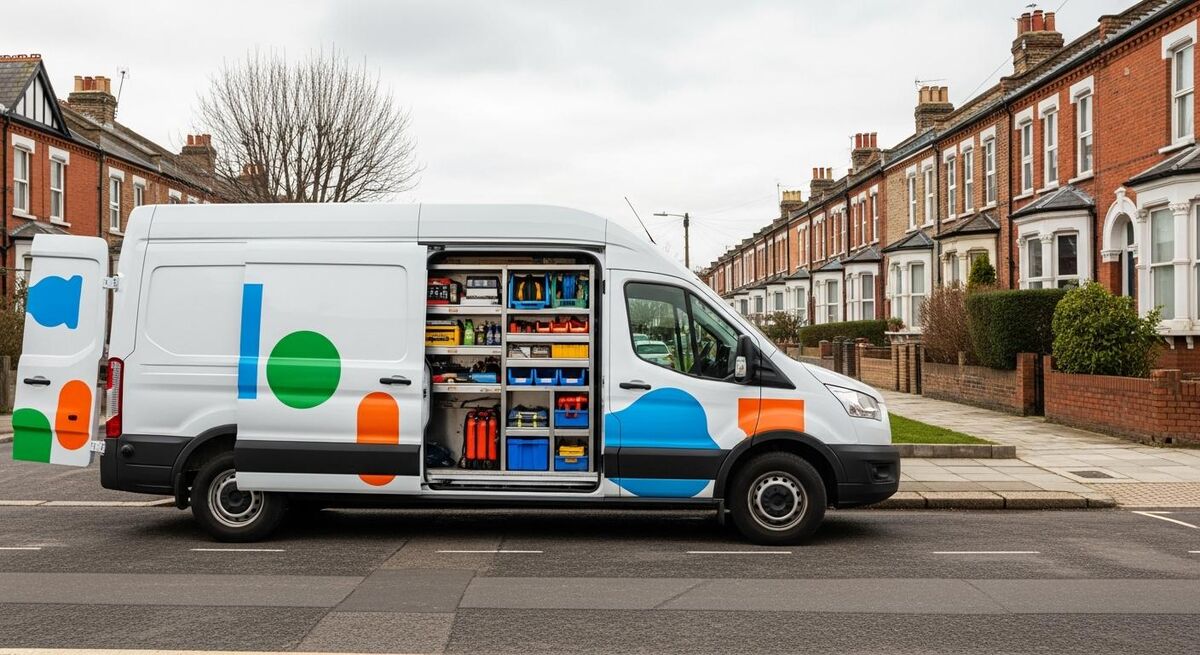
Van branding and offline: 5% of budget. One-off investment that works year-round. Leaflet drops in target postcodes during quiet months can generate work at very low cost.
Email campaigns that fill quiet months

Email marketing is the most underused tool in the trades marketing toolkit. 64% of small businesses now use it, and the average UK return is £38 for every £1 spent. For trades businesses, the returns can be even higher because you are emailing people who already know and trust your work.
The key to filling quiet months with email is sending the right campaign at the right time. Here are the campaigns that work:
The "skip the rush" campaign (April): Email your customer list offering summer boiler services at standard rates with guaranteed availability. Frame the benefit around convenience, not price. "Book your annual boiler service now and pick a date that suits you. Come October, you will be waiting 3 weeks."
The seasonal maintenance reminder (March and September): A simple check-in email reminding customers about seasonal maintenance. Plumbers can suggest drain checks before winter. Electricians can offer smoke alarm testing. Heating engineers can promote power flushing and radiator bleeding. Keep it to 3 or 4 sentences with a clear call to action.
The "we are quiet, you benefit" campaign (January): Honest and direct. "January is our quietest month, which means we can usually get to you within 48 hours instead of the usual 2 weeks. If you have been putting off that bathroom refit or rewire, now is the time." No discounting required. Faster availability is the selling point.
Welcome emails achieve 80% open rates. Regular marketing emails average 22 to 42% open rates depending on how you measure. 62.9% of UK consumers read emails on mobile. Send your campaigns on Tuesday or Wednesday mornings for the best open rates. Even a small list of 200 past customers can generate 5 to 10 jobs per campaign if the timing is right.
51% of UK marketers say AI-supported email marketing is more effective than manual efforts. Tools like Mailchimp, Brevo, and MailerLite all offer AI subject line suggestions and send-time optimisation that can push your open rates up by 10 to 15%. Most offer free tiers that are more than enough for a trades business with under 1,000 contacts.
Google Ads seasonal strategy

Google Ads is where most trades businesses spend the bulk of their marketing budget, and it is also where seasonal strategy makes the biggest difference to your cost per lead.
The fundamental principle is that when everyone else is advertising, clicks cost more. Emergency plumber clicks run £4 to £12, with winter pushing the top end hard. Google Local Services Ads offer 20 to 40% lower cost per lead than traditional search ads, and they work well during peak demand when homeowners need someone fast and trusted.
Here is the seasonal Google Ads playbook:
Pre-peak (6-8 weeks before your busy season): Increase budget by 20 to 30%. Launch campaigns for your highest-value services. Bid aggressively on specific service keywords rather than generic terms. "Boiler installation [town name]" will convert better and cost less than "plumber near me".
Peak season: Maintain budget but monitor cost per lead closely. If CPC spikes above your target, shift spend toward Local Services Ads or reduce bids on the most competitive keywords. Focus on high-intent, high-value keywords. This is not the time for brand awareness spend.
Off-peak: Reduce budget by 30 to 40% but do not switch off entirely. Competition drops, which means your remaining budget goes further. Target different services. Heating engineers should advertise boiler servicing in summer. Electricians should promote indoor projects in winter. Use this period to test new ad copy and landing pages with cheaper clicks.
London trades businesses face materially higher costs per click. Competitive trades keywords can exceed £10 per click in London versus £4 to £5 in less competitive regions. Factor this into your budget calculations and consider tighter geographic targeting to avoid wasting spend on areas you cannot service quickly.
Seasonally adjusted bidding strategies are available in Google Ads, and they work. Set up automated rules to increase bids by 15 to 20% during your pre-peak months and decrease them by a similar amount during your quiet period. This saves you from manually adjusting campaigns every few weeks.
Using AI for seasonal campaign planning
AI tools have made seasonal campaign planning much faster and cheaper. You do not need a marketing agency to run effective seasonal campaigns anymore, though a good one can still add value if your budget allows.
Here is what AI can do well for trades marketing right now:
Ad copy generation: Tools like ChatGPT and Claude can write Google Ads headlines, descriptions, and landing page copy tailored to specific seasons and services. Feed them your service details, location, and target audience, and they will produce 10 to 20 ad variations in minutes. Test 3 to 4 at a time and let Google's algorithms find the winner.
Email content: AI can draft seasonal email campaigns, subject lines, and calls to action. It works well at writing the "skip the rush" and maintenance reminder emails described above. Always review and personalise the output, as generic AI copy will not sound like you.
Social media scheduling: Tools like Buffer, Hootsuite, and Meta Business Suite let you batch-create and schedule seasonal content weeks in advance. Plan your social calendar in January, create the content in batches, and schedule it to post automatically. AI can generate post ideas and captions to speed up the process.
Audience targeting: Google and Meta both use AI to optimise audience targeting for your ads. Performance Max campaigns on Google and Advantage+ campaigns on Meta use machine learning to find the people most likely to convert. Feed these systems enough data and they get better at finding customers during both peak and off-peak periods.
You do not need to overhaul your marketing to use AI. Start with one thing: use ChatGPT or Claude to write 5 seasonal email subject lines for your next quiet month campaign. Test which one gets the best open rate. Build from there.
Maintenance plans as a seasonal buffer

Maintenance plans and service contracts are the most effective buffer against seasonal revenue swings. They create predictable, recurring income that fills your calendar during quiet months and gives you a base of guaranteed work to build on.
For heating engineers, annual boiler service plans are the obvious starting point. Offer customers a fixed annual fee for their boiler service, with priority response times for breakdowns. Schedule the services during your quiet months, April to August, and you have converted dead time into productive, paid work. The secondary benefit is that service visits generate upsell opportunities for repairs, upgrades, and new installations.
Electricians can offer annual electrical inspection packages, especially for landlords who need periodic testing. Plumbers can create drain maintenance plans for commercial properties. The specifics depend on your trade, but the principle is the same: lock in recurring work that you control the timing of.
The numbers work. If you sign 50 customers to a £120 annual service plan, that is £6,000 in guaranteed revenue. Schedule 10 services per month during your 5 quietest months, and you have filled 50 half-days of otherwise empty diary. Each service visit is also an opportunity to identify and quote additional work.
Start by emailing your last 12 months of customers offering an annual service at a fixed price. Include priority response as a perk. Aim for a 10 to 15% uptake rate. On a list of 200 customers, that is 20 to 30 service plans generating £2,400 to £3,600 in predictable annual revenue. Not transformative on its own, but combined with the rest of your seasonal strategy, it fills the gaps.
What tradespeople are saying
Recommended videos
Offline Marketing Tips For Electrical Contractors 2025
Joe Burnich

2025 Marketing Trends for Plumbing and HVAC
Plumbing and HVAC SEO

Plumber Marketing Strategy 2026: Get 30 to 50 New Leads A Month
Marketing 360

10 Plumbing Marketing Ideas and Advertising Tips
One Base Media

Plumbing Marketing Strategies that ACTUALLY Work
Million Dollar Plumber

Electrician Lead Generation 2025: 5 Proven Ways to Book More Jobs
Daniel Dimsey

Entering a New Season: What to Do When Business is Slow
Acumen Connections
Frequently asked questions
Six to eight weeks before you need the work. If your peak is October, start your campaigns in mid-August. Google Ads and email campaigns need time to build momentum. By the time customers are searching, you want to already be visible.
No. Reduce your budget by 30 to 40%, but keep something running. Clicks are cheaper when competitors drop out, so your remaining budget goes further. Plus, you need to fill those quiet months with work, not wait for them to pass.
Email to your existing customer list. It costs almost nothing, delivers £38 return per £1 spent on average, and targets people who already trust you. A single well-timed email about summer boiler servicing or winter preparation can fill a week of your diary.
5 to 10% of turnover is the standard advice. For a sole trader turning over £60,000, that is £3,000 to £6,000 a year, or £250 to £500 a month. Split it across Google Ads, your Google Business Profile, and occasional email campaigns. Word of mouth will do the rest.
Yes. 50 customers on a £120 annual service plan gives you £6,000 in guaranteed revenue and 50 scheduled visits you can place in your quietest months. Each visit also generates upsell opportunities for additional work. It is the most reliable seasonal buffer I have seen.
For writing ad copy, email subject lines, and social media posts, yes. It saves hours. For strategy and planning, it is a useful starting point but not a replacement for understanding your local market and your customers. Start with AI-generated email subject lines and go from there.
My verdict
The trades businesses that stay busy year-round are not luckier than the ones with feast-and-famine cycles. They plan ahead. They run campaigns 6 to 8 weeks before they need the work. They email their customer list when things are quiet instead of waiting for the phone to ring. They invest in maintenance plans that give them control over their own calendar. None of this is complicated. The data is clear, the patterns are predictable, and the tools are cheaper than ever. The only variable is whether you start.