
Quick Answer
For UK installers in 2026, Drayton Wiser is the safest add-on to a boiler swap: roughly 20 minutes on the tools, fewest callbacks, and a margin of £50 to £80 per fit. tado° X is the one to upsell when the customer wants Matter, room-by-room control, and a long warranty. Hive Thermostat Mini is the cheap British Gas-backed default for landlords and price-led customers. Google Nest is dead in the UK, so quote it only as a like-for-like replacement on existing kit, not a new spec.
Table of Contents
- The 2026 smart thermostat market, from the installer's bench
- Hive Thermostat Mini: the cheap British Gas default
- Google Nest in the UK: a field replacement story
- tado° X: the Matter-over-Thread bet that's actually working
- Drayton Wiser: the quiet installer favourite
- Install time per brand: what 30 minutes really looks like
- Margin: what you can actually charge per fit
- Callback rates: where the money quietly leaves the job
- Head-to-head comparison table
- What installers and customers are actually saying
- Install and commissioning videos worth watching
- Frequently asked questions
- My verdict
 Hive
Hive Google Nest
 tado°
tado° Drayton Wiser
The 2026 smart thermostat market, from the installer's bench
Smart thermostats are not a tech story anymore. They are a job-sheet line. When I was on the tools, a smart thermostat fit was a curiosity. Now it is a standard upsell on most boiler swaps and a planned job in its own right. The growth is real. UK trade distributors are reporting smart heating fittings up 40 percent year on year, and that number lines up with what my old engineers tell me when we catch up.
And so the question for installers is not whether to fit them. It is which one to fit, on which boiler, for which customer, and how to do it without sinking the margin on a Saturday afternoon call-back. That is the angle every consumer review misses.
The four brands customers ask for by name are Hive, Google Nest, tado°, and Drayton Wiser. Each one is a different proposition on the tools. Each one has a different callback profile. Each one pays differently. This guide is written for the engineer behind the van, not the homeowner reading TechRadar.
What changed in 2026
Google has confirmed no new Nest Learning Thermostats will launch in Europe, the 4th generation US model is not UK-compatible, and the 3rd gen stock has dried up at most UK retailers. Meanwhile tado° has shifted onto Matter-over-Thread with the X range, Drayton Wiser is on its second-generation HubR, and Hive has its Mini sitting at the cheaper end of the British Gas range. The market has properly reshuffled.
Hive Thermostat Mini: the cheap British Gas default
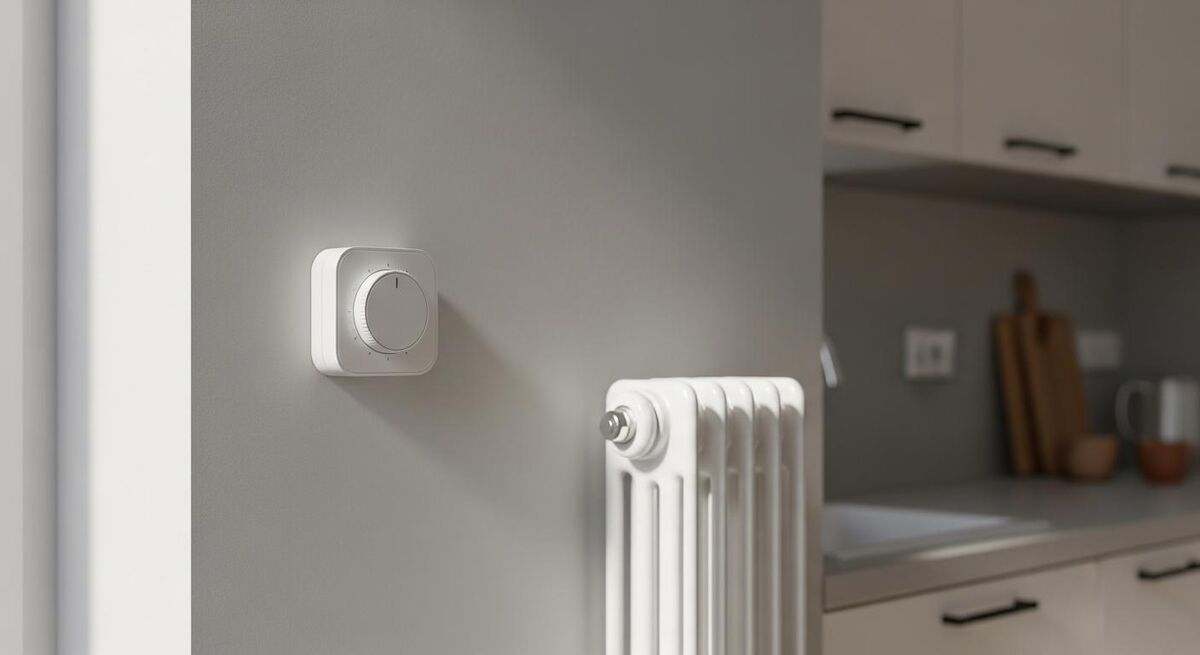
Hive is the brand customers walk in with. Around half the smart heating jobs I hear about from former colleagues start with the homeowner saying, "we want a Hive." That is brand recognition doing the work, courtesy of years of British Gas advertising. As an installer that is a good thing and a frustrating thing.
The good thing is the kit is cheap. The Thermostat Mini comes in around £79 on its own, £99 with a receiver, and around £170 if the customer needs the hub as well. That puts the trade price well under the others, which means you can hold a healthier margin without scaring the homeowner at the quote stage.
The frustrating thing is the limitations. Hive Active Heating uses simple on-off control on most installs, and the OpenTherm modulation that competitors lean on so heavily is patchy depending on which Hive model and which boiler. On a modern modulating combi you are leaving efficiency on the table. Customers do not feel that on day one, but they do feel it when they compare their annual bill to a neighbour on a tado° or Wiser system.
On the tools the fit is straightforward. Most engineers I talk to budget 30 to 60 minutes including pairing and a quick walk-through. The receiver wires in like a standard programmable thermostat, the hub plugs into the router, and the app pairing is forgiving. Where Hive shines is the British Gas backstop. If something goes wrong, the homeowner has someone to ring who is not you. That has real value on a Saturday.
Hive Mini OpenTherm: check the boiler first
Hive Mini reviews are split on OpenTherm support depending on receiver model and firmware. If you are quoting on a Vaillant ecoTEC or Worcester Greenstar where the customer specifically wants modulation, confirm OpenTherm with Hive technical before the install. Do not assume. If you cannot get a clear answer, quote tado° or Drayton instead.
Google Nest in the UK: a field replacement story
Here is the position in 2026. Google has stopped distributing new Nest Learning Thermostats in the UK and Europe. The 4th generation, launched in 2024 in the US, was designed for American HVAC systems and is not compatible with UK combi or system boilers. There is no UK SKU coming. Google issued the statement, the trade absorbed it, and most distributors have run their existing stock down.
So why include Nest at all? Because installed base. There are hundreds of thousands of 3rd gen Nest units on UK walls, the firmware is being supported into 2026 and beyond, and customers will keep ringing when something goes wrong. As an engineer you need a clear position to take with them.
My take is straightforward. If a customer has a working Nest and wants a smart thermostat, leave it alone. If a customer's Nest has failed and they want a like-for-like swap, sell them a refurbished or end-of-line unit only as a stopgap and explain the support tail. If a customer is doing a new install and asks for Nest by name, talk them onto tado° or Wiser. The hardware is better suited to UK heating, the brands are still investing in the UK market, and you will not be the engineer they ring in three years asking why the app stopped working.
The Nest reputational risk
Fitting a new Nest on a boiler swap in 2026 is asking for a callback two years out. When Google withdraws the last of UK support, you do not want to be the named installer on the work invoice. State the position in writing on the quote and let the customer decide.
tado° X: the Matter-over-Thread bet that's actually working
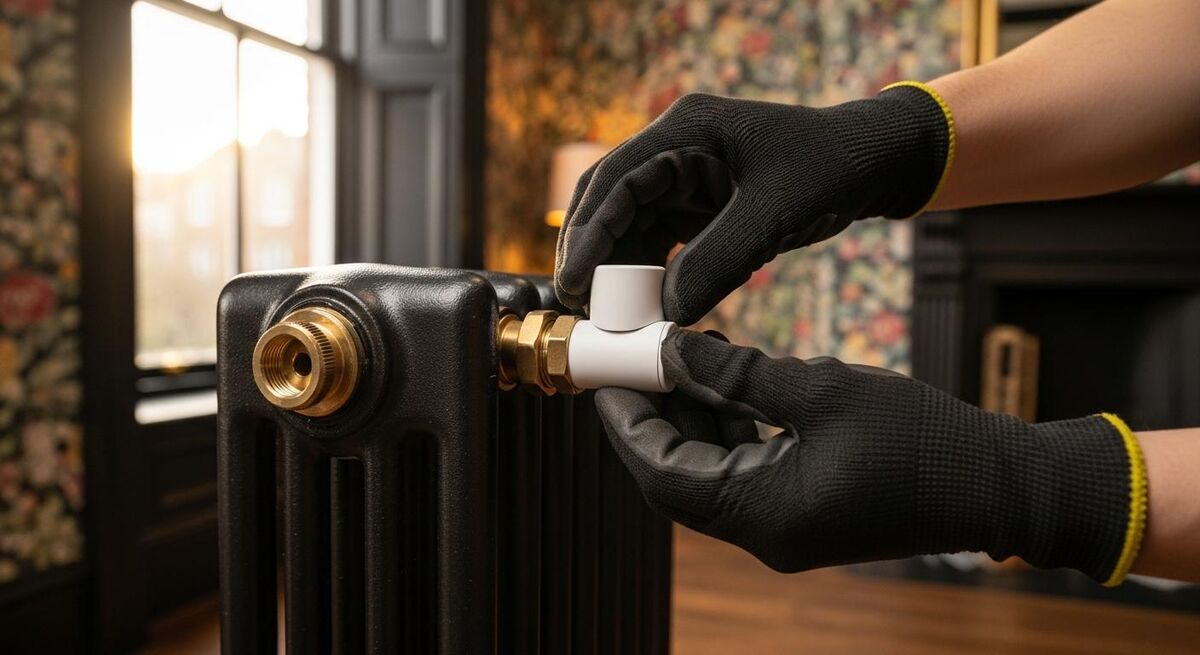
tado° was always the engineer's favourite of the consumer brands, and the move to the X range in 2024 to 2025 has kept it there. The wireless Smart Thermostat X starter kit lands around £159, the wired version around £99, and the smart radiator thermostats around £70 to £80 each. That sounds expensive on paper. In practice the multi-zone story is what justifies it.
The new platform runs on Matter-over-Thread. That matters more than it sounds. Pairing is faster, the mesh recovers from dropouts cleaner than the old Wi-Fi only V3+ setup, and integration with Apple Home, Google Home, and Amazon Alexa is no longer a fight. For installers who keep getting dragged into smart home consultancy by default, this is a real win.
On the bench, tado° has done well by installers. The trade press has been running positive testimonials for the wireless thermostat through 2025, including from Boiler Plan UK and Heatforce. Most engineers can fit a starter kit in 30 to 40 minutes, including pairing. The OpenTherm support is real, the modulation works, and the Auto-Assist subscription, while a customer irritation, does not affect the core schedule and remote control.
The catch is the subscription. tado° pushes Auto-Assist at £3.99 a month or £29.99 a year for geofencing and a couple of premium features. Customers grumble. As an installer you have to flag it at the quote stage, every time. If you let the customer find out from the app after the fit, you will get the callback you do not want.
tado° upsell that lands
Fit the wireless starter kit on the boiler swap, then upsell two smart radiator thermostats for the master bedroom and the living room. The customer feels the comfort difference immediately, the kit is straightforward to fit during the same visit, and you bank an extra £140 to £180 in margin on what is already a paid job. It is the cleanest upsell path of any brand in this list.
Drayton Wiser: the quiet installer favourite
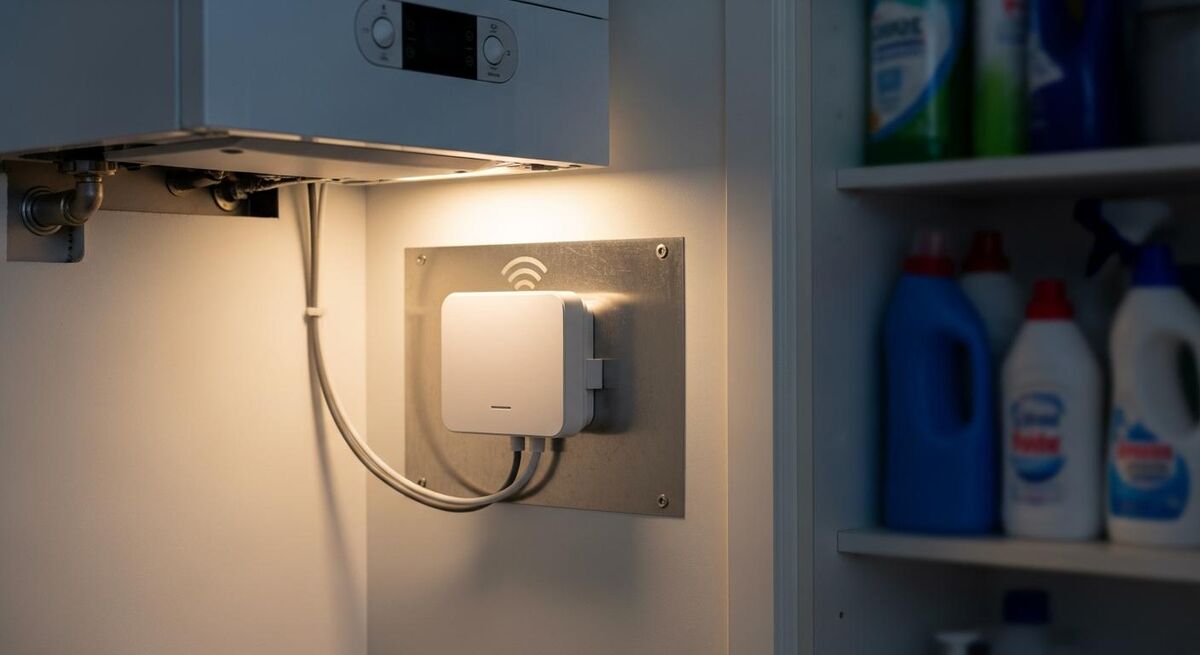
Drayton is the one engineers recommend to other engineers. Schneider Electric own the brand, the Heat Hub uses the industry-standard wall plate that Drayton has shipped on its mechanical programmers for decades, and the kit is built for UK heating systems rather than retrofitted from a US product line.
The pricing is the headline. Kit 1, which suits a combi boiler, lands at £110 to £149. Kit 2, which adds the second channel for conventional boilers with a hot water tank, is closer to £160 to £180. Smart radiator thermostats are around £45 to £55 each, which undercuts both Hive and tado°. The margin on a Drayton fit is the most predictable of the four.
The fit itself is the fastest. The Heat Hub uses the same wall-plate as Drayton's existing programmer line, which means most boiler swaps already have a compatible back plate. Twenty minutes is realistic for the receiver, another ten for the room thermostat, and the app pairing is the most straightforward of any of the four brands. Engineers who have done a few will tell you it feels closest to a conventional thermostat swap.
The under-rated bit is local operation. Wiser stores schedules on the Heat Hub itself. If the customer's internet drops, the heating still runs to schedule. That is not a small thing. tado° and Nest both lean on the cloud, and customers do not always understand the difference until something goes wrong on a cold December evening.
Why the trade margin works on Wiser
Trade pricing on Wiser Kit 1 sits around £85 to £95 at the merchants. RRP is £149. That leaves £50 to £65 in pure kit margin before you charge a penny for labour. On a 30-minute fit, that is one of the best return-on-time jobs you can quote, and the kit is rarely on backorder.
Install time per brand: what 30 minutes really looks like
The 30-minute install figure that gets thrown around online is honest enough on a like-for-like swap. It is not honest on a first install or a complicated wiring centre. Here is what installers actually report once you account for everything from arriving at the property to walking the customer through the app.
Drayton Wiser Kit 1 on a combi swap is the fastest. Receiver onto the existing wall plate, room thermostat paired, app set up, customer briefed. Forty minutes including the chat. Wiser Kit 2 on a system boiler with hot water adds another twenty minutes for the second channel.
Hive Thermostat Mini is similar on the wiring but adds time for the hub plug-in and the British Gas account setup, which is occasionally fiddly if the customer has an old email or a forgotten password. Realistically an hour door-to-door.
tado° X wireless is the trickiest of the easy ones. The starter kit is well thought out, but the Matter pairing occasionally needs a router restart, and the geofencing setup means you cannot leave until the customer has the app on their phone and the location permission sorted. Forty-five minutes to an hour.
Anything involving Google Nest now adds time for the support conversation. The customer will have read something online about UK discontinuation and want reassurance. Build twenty minutes into the quote for that conversation alone.
Margin: what you can actually charge per fit
This is the bit that consumer reviews never touch, and it is the bit that matters when you are quoting. The headline range is £50 to £150 per fit in clean margin, and the spread comes down to the brand, the customer, and whether you are pricing it as a planned visit or a bolt-on to a boiler swap.
On a bolt-on to a boiler swap, the kit price is the customer's anchor. You can buy Wiser Kit 1 in the morning at the merchants for around £85 to £95 trade, retail it at £180 to £200 installed, and bank £90 to £105 in margin for thirty minutes of work after the boiler is fired. That is the strongest unit economics in the list.
tado° X starter kit at £159 RRP gives less headroom on kit margin but the customer pays a premium for the brand. £250 to £280 installed is a defensible price for a wireless starter kit with multi-zone capability, and the upsell on extra radiator thermostats pushes the job total upward without much extra labour.
Hive sits at the bottom of the margin range because the customer knows the RRP. Mini starter kits at £79 retail mean you are realistically looking at £120 to £150 installed including labour, and £40 to £60 clean margin. Volume rather than per-job profitability.
The Nest position is awkward. Refurbished units are still around, but pricing them transparently is a headache. Most engineers I know quote it as a labour-only job if the customer brings the kit, then charge call-out plus an hour on the bill.
Callback rates: where the money quietly leaves the job
Callbacks eat margin faster than anything else on smart heating jobs. From the engineers I talk to, the spread across the four brands is real. Wiser is the lowest, around two to four percent of installs come back for anything beyond a customer-side app login. Hive sits in the middle, five to eight percent, mostly app-side or hub connection. tado° X is similar to Hive in the early Matter rollout. Nest, on the existing UK install base, has been creeping toward fifteen percent as the Google support situation has hardened.
The patterns are predictable. Wiser callbacks are almost always firmware updates or, very rarely, a TRV battery issue. Hive callbacks are split between hub Wi-Fi drops and customers forgetting their account password. tado° callbacks are more often pairing problems on the older V3+ kit and customers ringing about the Auto-Assist subscription pop-up they did not expect.
Nest callbacks are the dangerous ones. They tend to be system-wide problems, the kind where the customer cannot heat the house and remembers your name on the original invoice. If you are still fitting Nest in 2026 you are quietly signing up for that call.
The one paragraph to put on every smart thermostat quote
Spell out which brand you are fitting, which app the customer will use, and that ongoing app and account support is the brand's responsibility, not yours. Cap your support window at thirty days for app-side issues, with anything past that billed at your standard call-out. Customers respect the clarity, and you cut your callback exposure in half on the brands that need it.
Head-to-head comparison table
| Feature | Hive Mini | Google Nest | tado° X | Drayton Wiser |
|---|---|---|---|---|
| UK availability (2026) | Active range | Discontinued for new sales | Active range | Active range |
| Starter kit RRP | £79-£170 | £249 (3rd gen, scarce) | £159 | £110-£149 |
| Average install time | 45-60 min | 45-60 min | 40-60 min | 20-40 min |
| OpenTherm modulation | Patchy, model-dependent | Yes (3rd gen) | Yes, broad support | Yes, broad support |
| Works without internet | Schedules: no | Schedules: no | Schedules: no | Schedules: yes |
| Subscription required | None for core features | None | £29.99/yr for Auto-Assist | None |
| Smart TRV cost (each) | £55-£65 | n/a | £70-£80 | £45-£55 |
| Typical installer margin | £40-£60 | Labour only | £60-£100 | £60-£105 |
| Callback rate (reported) | 5-8% | 10-15% | 4-7% | 2-4% |
| UK support backstop | British Gas network | Limited and shrinking | tado° UK support | Schneider Electric / Drayton trade |
What installers and customers are actually saying
Install and commissioning videos worth watching

Installation of the tado° Smart Thermostat X
tado°

How to install the tado° smart heating system, step by step
UK installer walkthrough

How to commission your Wiser heating thermostat kit
Drayton
How to install Wiser on a Vaillant ecoTEC plus 824 combi
UK heating engineer install
Hive V3 thermostat install in 10 minutes, combi boiler wiring
Vaillant EcoTec Pro engineer walkthrough

How to install the Hive Thermostat Mini on a traditional heating system
Step-by-step installer guide
Frequently asked questions
Most smart thermostat wiring sits at the boiler, so the work is well within Part P and BS 7671 territory for an electrician. The Gas Safe question only comes in if you are also working on the gas controls or removing flue components. For the majority of installs, a competent electrician or a heating engineer can fit a smart thermostat without touching the gas side at all.
It assumes a like-for-like swap onto an existing wall plate with the customer ready, the router live, and the app account already created. On a Drayton Wiser fit that lines up with the marketing. On a first-time install with no existing thermostat back plate, expect 45 to 60 minutes once the wiring, pairing, and customer walk-through are done.
No, not on a fresh install. Google has confirmed no new Nest Learning Thermostats will launch in Europe, the 4th gen US model is not UK-compatible, and new stock has dried up. Field replacements on existing Nest installs are fine as a stopgap. Anything else, talk the customer onto tado° or Drayton Wiser.
Drayton Wiser Kit 1 fitted to an existing wall plate. Trade in around £85 to £95, retail around £180 to £200 installed, and the install runs to about 30 minutes. That is £85 to £100 clean margin on roughly half an hour on the tools. tado° is close behind once you add a couple of smart radiator thermostats to the basket.
Drayton Wiser, comfortably. Engineers report two to four percent of fits coming back for anything beyond a customer-side app login. The local schedule store on the Heat Hub is the reason. If the customer's internet drops, the heating still runs to schedule, which is the single most common source of a "my smart thermostat is broken" call.
Flag it in writing on the quote. The core thermostat features work fine without it, but geofencing, automated open-window detection, and weather-based scheduling sit behind £3.99 a month or £29.99 a year. Customers who find that out from the app three days after the fit will ring you. Customers who saw it on the quote do not.
Yes, when the boiler supports it. Most Vaillant, Worcester Bosch, Ideal, and Viessmann boilers from 2010 onwards modulate well, and the running cost saving from a modulating smart thermostat versus a simple on-off control sits at 10 to 22 percent on the heating side of the bill. That is a real number, and it is worth quoting on the energy savings panel of your job paperwork.
Different story. tado° has the Heat Pump Optimiser kit and Drayton has heat pump variants in the Wiser line. Hive is not the right answer for an air source install. Read our heat pump technology guide for installers for the spec side of that conversation.
My verdict
The installer choice for 2026
Drayton Wiser for the bulk of jobs. It fits faster, callbacks less, and pays better than the others. tado° X for the customer who wants Matter, room-by-room control, or a heat pump pairing. Hive Mini for the brand-loyal, landlord, or price-led customer who walks in asking for it by name. Google Nest for field replacements only, and only after a written conversation about the support tail.
The four-brand market has split cleanly. Drayton Wiser has quietly taken the engineer's vote. Most former colleagues I speak with default to it on a boiler swap unless the customer asks for something specific. The kit is UK-designed, the install is the fastest, the margin is the best, and the local schedule store means the late-night callback rate is lower than the others. That is not a marketing claim, that is the field data.
tado° X is the second pick, and the gap is closing. The move to Matter-over-Thread has resolved the dropout issues that plagued the V3+ generation, the multi-zone story holds up, and the installer testimonials I read through this year are warmer than they were in 2023. The Auto-Assist subscription is an annoyance, not a deal-breaker, and the kit margin works as long as you upsell the radiator thermostats.
Hive remains a brand-recognition play. The kit is cheap, the install is forgiving, and the British Gas backstop has real value for landlords and customers who do not want to deal with apps. The margin is thinner. If you are doing volume on rental properties, Hive Mini still makes sense. If you are doing premium owner-occupier installs, you are leaving money on the table by fitting Hive when the customer would happily pay for Wiser or tado°.
Google Nest is the painful one. There is still installed base, there will be callbacks, and the UK market position has hardened against new fits. Take a clear position with your customers now, write it on the quote, and you save yourself a difficult conversation in 2027 when the support tail finally runs out.
Smart thermostat fitting is becoming a planned revenue stream for trades businesses rather than a curiosity. The four-brand picture above is the realistic 2026 view from the tools, not from a TechRadar reviewer's spare room. Pick the brand that suits the customer, price the fit honestly, set the support expectation in writing, and you will be banking £200 to £300 a week on smart heating without breaking a sweat. For a wider read on adjacent revenue streams worth bolting onto a heating business, our pieces on battery storage and home energy systems for installers, 3D printing for replacement parts and custom fittings, and UK field service platforms all sit within reach of the same customer base.