

Quick Answer
Most subcontractor disputes come down to three things: unclear scope, missed deadlines, and late payments. The fix is not better relationships. It is better systems. Digital agreements that lock down scope before work starts, milestone tracking that flags delays in real time, and automated payment triggers that release funds when work is verified. Tools like Fergus, Joblogic, and BigChange handle the coordination. n8n ties payment automation together. The result: fewer arguments, faster completions, and a paper trail that protects everyone.
Table of Contents
- Why subcontractor disputes keep happening
- The digital contract foundation
- Milestone tracking that prevents scope creep
- How Fergus handles sub coordination
- Joblogic for field service sub management
- BigChange Collaboration Network
- Automating payment triggers with n8n
- The 2026 payment reforms you need to know
- What tradespeople are saying
- Recommended videos
- Frequently asked questions
- My verdict
 Fergus
 Joblogic
 BigChange
 n8n
n8nWhy subcontractor disputes keep happening

I have seen this play out hundreds of times. A builder brings in a sub for a specific job. The scope is agreed verbally or scribbled on the back of a purchase order. Three weeks later, the sub has done extra work nobody formally approved. The builder refuses to pay for it. The sub threatens to walk off site. Everyone loses.
The Construction Industry Training Board (CITB) reports that two-thirds of UK builders have been through some version of this. The Federation of Master Builders puts the average cost of resolving a dispute at between £5,000 and £15,000 once you factor in legal fees, project delays, and the cost of finding a replacement sub.
The root causes are almost always the same. Vague scope documents leave too much room for interpretation. No formal change order process means scope creep goes undocumented. Payment terms are unclear or ignored. And when things go wrong, there is no paper trail to settle who agreed to what.
Most of the advice out there focuses on the legal side. Get a solicitor. Use the Construction Act. Go to adjudication. That is all valid, but it is reactive. By the time you are in a dispute, you have already lost time and money. The smarter approach is building systems that prevent disputes from starting.
Research from the Chartered Institute of Building identifies three primary triggers: scope disagreements (42%), payment disputes (31%), and quality or timeline failures (27%). Digital management systems address all three by creating clear records, automated reminders, and milestone-based payment releases.
The digital contract foundation

A proper subcontractor agreement does not need to be a 30-page legal document. It needs to cover five things clearly: what work is included, what work is excluded, the timeline with milestones, payment terms and triggers, and the process for handling changes.
The Housing Grants, Construction and Regeneration Act 1996 sets the baseline. Every construction contract must provide for stage payments. The payer must issue a Payment Notice within five days of the Payment Due Date. Any "pay when paid" clause is unenforceable. If no payment terms are specified, the Scheme for Construction Contracts kicks in automatically, making payment due 30 days after invoice.
Digital tools make this practical. Fergus lets you attach terms of trade to every quote and job card. Joblogic includes digital forms and certificates that subs can sign off on site. BigChange builds contracts into its workflow so nothing starts without documented agreement. Clear, documented processes are essential to avoiding conflicts, much like structured onboarding systems for team members.
The key is making the exclusions as clear as the inclusions. "Install 12 radiators in ground floor rooms per drawing rev. C" is good. "Install heating system" is asking for trouble. Every item that could be misinterpreted needs a line in the scope document.
Under UK law, verbal construction contracts are technically valid. But proving what was agreed becomes a nightmare when memories differ. Always get scope and payment terms in writing, even if it is just a detailed email confirmed by both parties. Digital signatures through platforms like Fergus or BigChange make this effortless.
For change orders, the process needs to be rigid. No additional work starts until a variation is documented, priced, and signed off. This is where most scope creep happens. A sub does extra work in good faith, expecting payment. The builder says it was included in the original price. Neither has proof. A formal change order process, enforced through your job management software, closes this gap completely. When hiring new team members or subcontractors, clear job descriptions and role definitions prevent misunderstandings before they start.
Milestone tracking that prevents scope creep
Scope creep is not always malicious. Sometimes the sub honestly believes the extra work was implied. Sometimes the builder asks for "just a small change" without thinking about the cost. The problem is that without milestones, nobody notices until it is too late.
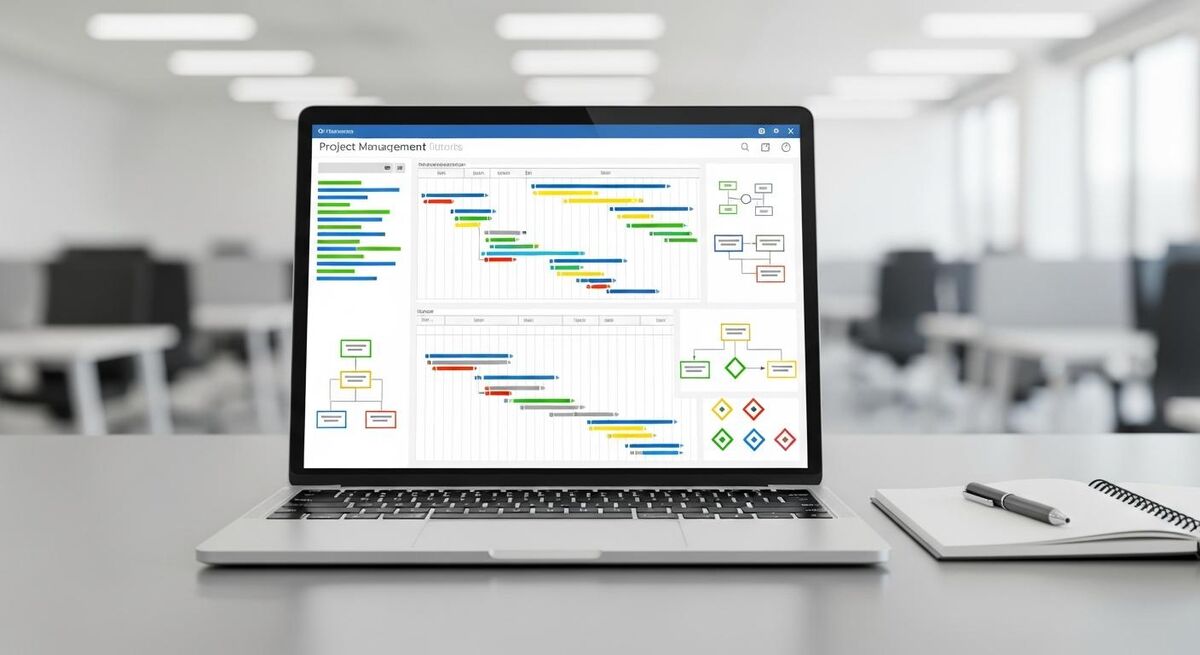
Milestone tracking breaks a subcontractor's work into defined stages. Each stage has a clear deliverable, a deadline, and a payment amount. When the sub completes a milestone, they report it through the system. The project manager verifies it. Payment is triggered.
This does three things. First, it makes progress visible. You can see at a glance which subs are on track and which are falling behind. Second, it catches scope creep early. If a sub reports work that was not in any milestone, that is a conversation, not a surprise invoice three weeks later. Third, it creates accountability. Both sides have a record of what was agreed and what was delivered.
Fergus handles this through its status board, which breaks active jobs into categories so you can see where work is held up. BigChange goes further with its Collaboration Network, giving subs their own portal to report progress and upload evidence. Joblogic uses its asset management and PPM scheduling to track milestones against planned maintenance programmes.
Do not create 20 milestones for a three-day job. Two or three is enough. The sweet spot is milestones that represent genuine progress checkpoints. For a bathroom refit: first fix complete, tiling complete, second fix and commissioning. Each one triggers a payment percentage.
How Fergus handles sub coordination
Fergus was built by a plumber, and it shows. The platform handles job management, scheduling, quoting, and invoicing from one interface. For subcontractor management, the key features are its status board, job cards, and supplier integrations.
The status board gives you a real-time view of every active job. You can filter by sub, by trade, by status. When a sub updates their progress through the Fergus Go mobile app, it reflects on the board immediately. No chasing phone calls. No wondering where things stand.
Job cards act as the single source of truth for each piece of work. Photos, descriptions, health and safety documents, scope details, and communication history all live in one place. When a dispute arises about what was agreed, you pull up the job card. Everything is there.
Fergus integrates with over 100 UK material suppliers including CEF, City Plumbing, Wolseley, and Screwfix. When a sub raises a purchase order, it flows through the system automatically. No manual data entry. No lost receipts.
Pricing starts at £34 per user per month for the Lite plan, which includes job management, scheduling, quoting, and accounting sync. The Pro plan at £37 per month adds communication history and job templates. The Plus plan at £44 per month includes purchase orders and reporting. No lock-in contracts, 14-day free trial.
If you manage five subcontractors regularly, the Plus plan (£44/user/month) pays for itself the first time it prevents a scope dispute. At £528 per year for one admin user, that is less than 4% of the average £15,000 dispute cost.
Joblogic for field service sub management
Joblogic takes a different angle. Built specifically for UK service and maintenance businesses, it covers the full job lifecycle from scheduling through to compliance sign-off and invoicing. If you run reactive and planned maintenance with subcontractors, this is worth a close look.
The platform's strength for sub management is its compliance features. F-Gas reporting for HVAC work, digital certificates, risk assessments, and tailored forms that subs complete on their mobile devices. Every document is timestamped and stored against the job. If a sub claims they completed a gas safety check and the customer disputes it, you have the signed digital certificate with photos.
The visual job scheduler prevents double-booking and makes it easy to see which subs are allocated where. Real-time data flows between the back office and field teams. Subs can access job details, complete forms, capture photos, and log their time without calling the office.
Asset management is another strong point. Joblogic tracks service history and planned preventative maintenance for physical equipment. When a sub is dispatched to service a boiler, they can see the full history of that unit, previous faults, parts replaced, and any outstanding issues. This reduces diagnostic time and prevents the "I didn't know about that" conversations.
Joblogic does not publish pricing openly. You need to contact them for a quote based on your team size and requirements. User reviews on Capterra give it 4.3 out of 5 from 92 reviews, with strong marks for scheduling and compliance features. The main criticism is that it can feel complex for smaller businesses.
BigChange Collaboration Network
BigChange approaches subcontractor management differently from Fergus and Joblogic. Its Collaboration Network is a dedicated feature for connecting main contractors with subcontractors in a shared digital workspace.
The idea is straightforward. You list your business on the BigChange Collaboration Network for free. When you need a sub, you search by skill and location. When you find a match, you share the job through the platform. The sub receives the job details, timeline, and agreed rates. As they complete work, you get real-time progress updates and alerts.
The intelligent matching feature automatically matches invoices with purchase orders. This speeds up approvals, reduces manual checking, and catches discrepancies before they become disputes. When the system uses agreed rates shared via the Network to calculate the invoice, you know the numbers will match. No surprises.
For larger operations managing multiple subs across multiple sites, BigChange integrates CRM, scheduling, live tracking, mobile workforce management, and financial reporting into one platform. You can see where every sub is, what they are working on, and whether they are on schedule.
Pricing starts at £79.95 per user per month for the standard Job Management plan. The Plus tier starts at £99.95 per mobile user per month and adds advanced features. These are higher price points than Fergus, but the Collaboration Network and live tracking features justify the cost for businesses managing 10 or more subcontractors regularly.
Automating payment triggers with n8n

The tools above handle job coordination. n8n handles the automation layer that connects everything. It is an open-source workflow automation platform with over 200 integrations, and it works well for building automated payment pipelines.
Here is a practical example. A sub completes a milestone and marks it as done in Fergus. An n8n workflow detects the status change via the Fergus API. It sends a notification to the project manager for verification. Once the manager confirms, n8n triggers an invoice in Xero and schedules a BACS payment for the agreed amount. The sub gets an automated confirmation email with the payment date.
No manual data entry. No forgotten invoices. No "the cheque is in the post" conversations. The sub sees exactly when they will be paid, and the builder has a complete audit trail of what was delivered and what was paid.
You can build similar workflows for change order approvals, deadline reminders, and compliance document chasing. If a sub has not uploaded their public liability insurance renewal by the expiry date, n8n sends automated reminders at 30, 14, and 7 days before expiry, then escalates to the project manager.
n8n offers a free self-hosted option for technically capable teams. Cloud plans start at around £20 per month for basic usage. For most trades businesses, the free tier covers subcontractor automation needs comfortably.
Do not try to automate everything at once. Build one workflow first, such as milestone completion to payment trigger, and get it running reliably. Then add others. The Fergus-Xero-n8n integration guide walks through the setup process step by step.
The 2026 payment reforms you need to know

In March 2026, the UK Government announced what it called the toughest crackdown on late payments in over 25 years. Two changes matter most for subcontractor management.
First, main contractors will no longer be able to withhold retention money from subcontractors. The practice of holding back 5% of a sub's payment as retention has been standard for decades. It is also been one of the biggest sources of friction. When a main contractor goes into administration, that retention money often disappears. The new rules ban the practice entirely.
Second, large firms paying smaller firms must pay within 60 days with no exceptions. Late payments cost the UK economy £11 billion per year according to government estimates. In construction, businesses wait an average of 21 days beyond agreed payment terms. That is 21 days of cash flow pressure that falls hardest on small subcontractors.
For builders and contractors managing subs, these reforms make digital payment tracking even more important. You need systems that document when payments are due, when they are made, and that generate the required Payment Notices within the statutory five-day window. Manual tracking with spreadsheets is not going to cut it when compliance is mandatory.
The reforms also strengthen the right to adjudication. Any party can refer a payment dispute to an adjudicator at any time. The adjudicator must reach a decision within 28 days. That decision is binding. Having clean digital records of milestones, approvals, and payment schedules is the single best protection you can have in an adjudication.
The retention ban is being phased in. Check the latest implementation dates with your trade body or professional body before adjusting your subcontractor contracts. Early adoption shows good faith and builds trust with your supply chain.
What tradespeople are saying
Recommended videos

How To Manage Subcontractors In Construction
Construction Management

9 Keys To Building A Reliable Subcontractor Network
The Contractor Fight

7 Tips for Managing Your Subcontractors
Contractor Business Tips

Master Subcontractor Management in 11 Minutes
Construction Business Guide

What Great Builders Know About Trade Relationships
Building Business Insights

Fergus Review: Job Tracking, Pricing and Pros/Cons
Software Reviews

BigChange: The All-in-One Job Management System
BigChange
Frequently asked questions
Depends on your size. Fergus is the best value for small to medium trades businesses at £34-44 per month. Joblogic suits field service and maintenance companies that need compliance features. BigChange is built for larger operations managing 10+ subs across multiple sites. All three are UK-based or have strong UK support.
Three things. First, write a scope document that lists exclusions as clearly as inclusions. Second, enforce a formal change order process where no extra work starts without written approval. Third, use milestone tracking so any work outside the agreed milestones gets flagged immediately. Software makes all three easier.
Under the Construction Act 1996, you can withhold payment via a Pay Less Notice, but you must serve it within the statutory timeframe. You can refer the dispute to adjudication at any time, and the adjudicator must decide within 28 days. Having digital records of agreed timelines and missed milestones strengthens your position enormously.
Yes. Tools like n8n can connect your job management software to your accounting system. When a milestone is verified as complete, n8n triggers an invoice in Xero or QuickBooks and schedules the payment. The sub gets automatic confirmation. No manual invoicing, no chasing.
Main contractors will no longer be able to withhold retention money (typically 5%) from subcontractors. This is a major win for subs who often lost retention money when main contractors went into administration. Builders need to adjust their cash flow planning accordingly.
Legally, no. Verbal contracts are enforceable under UK law. Practically, absolutely yes. Without written terms, you have no proof of what was agreed. A simple scope document with payment terms, signed by both parties, takes 20 minutes to prepare and can save you thousands in dispute costs.
My verdict
I have worked with hundreds of subcontractors over the years. The ones I have had the fewest problems with are not necessarily the ones I know best. They are the ones where we had clear systems in place from day one. Digital scope documents, milestone tracking, automated payments. It takes the ambiguity out. Both sides know exactly what is expected, what has been delivered, and when payment is coming. Start with one tool. Get your contracts digital. Add milestone tracking. Then automate the payment side. You do not need all four platforms from day one, but you do need to stop relying on verbal agreements and good intentions. The data is clear: digital tracking reduces disputes by 45%. That is not a marginal improvement. That is the difference between a profitable year and an expensive legal headache. If you are managing subcontractors without these systems, you are leaving yourself exposed. Start small, but start now.