
Apprentice week 1 training: 5 minute microlearning modules that stick
Microlearning approach for training apprentices in UK construction, featuring five focused modules delivered in five-minute sessions during their first week.
Microlearning approach for training apprentices in UK construction, featuring five focused modules delivered in five-minute sessions during their first week.
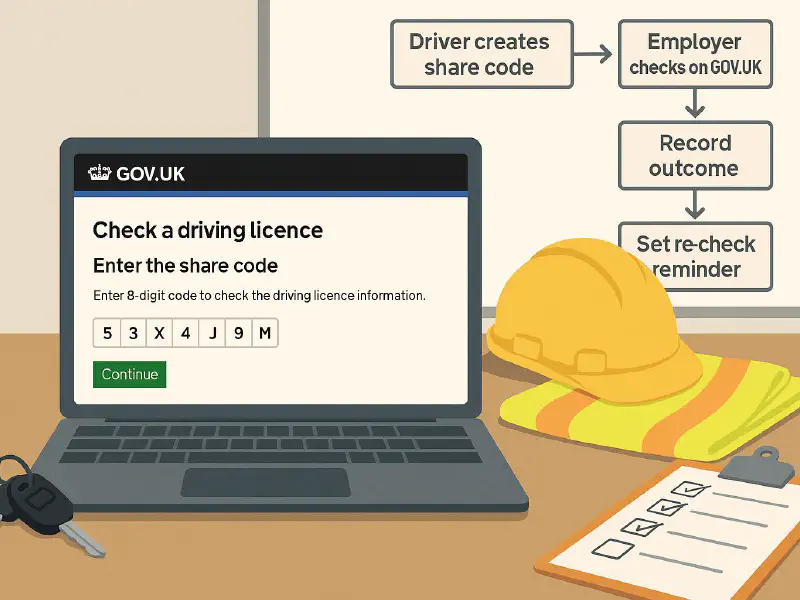
To check a worker's driving licence, employers must obtain a DVLA share code and follow a structured process for verification and record-keeping.
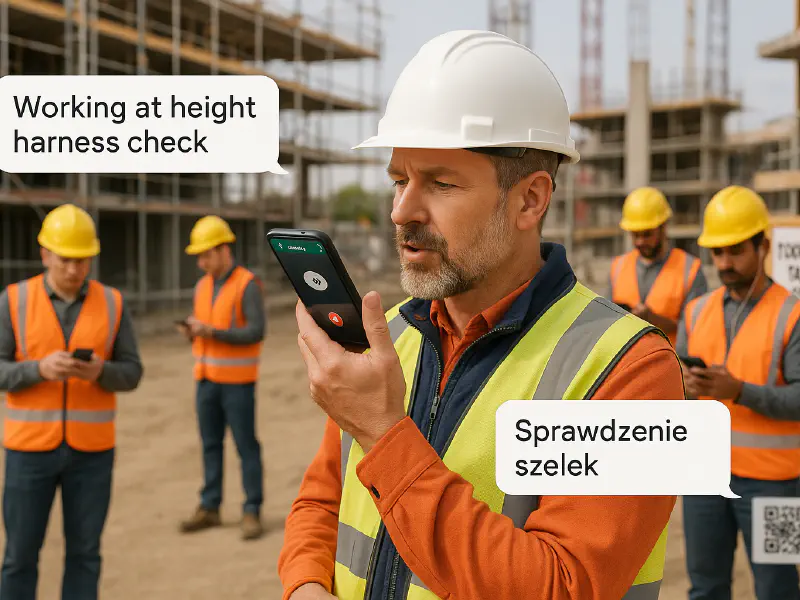
Using WhatsApp for bilingual toolbox talks enhances comprehension among multilingual crews by delivering concise, auditable voice notes and capturing attendance .

Effective fatigue risk management in construction involves setting up a RAG scoring system, shift rules, and monitoring procedures to ensure safety compliance and reduce hazards.

To comply with UK CDM 2015 regulations, create a concise, site-specific induction video, capturing attendance and understanding through a QR code and quiz.

Guidance on handling Artex containing asbestos, including testing, safety protocols, and compliance with HSE regulations for various work scenarios.

Practical QR and WhatsApp check-in system for lone workers in construction, covering setup, intervals, HSE compliance, and escalation procedures.
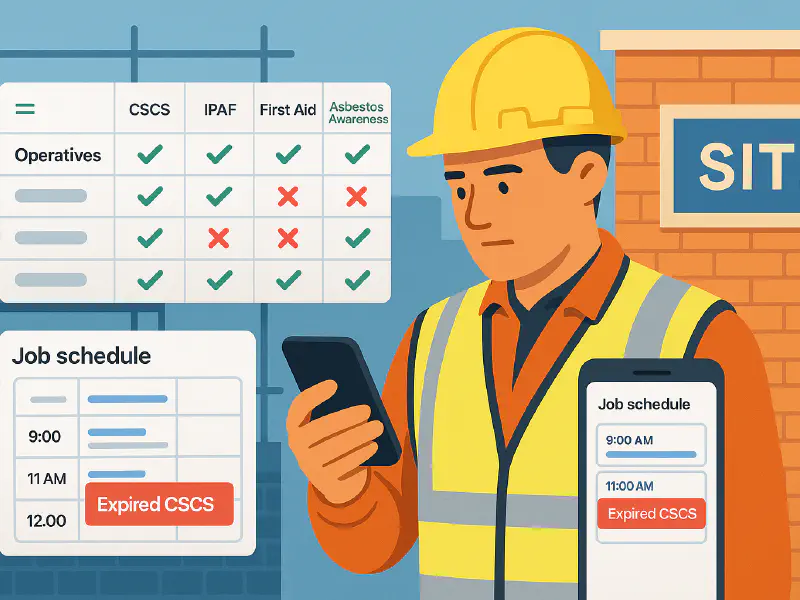
Linking a skills matrix in Google Sheets to scheduling via Zapier automates competence checks, keeping only qualified operatives are assigned to jobs, improving safety and compliance.

Importance of structured performance reviews on construction sites, covering KPIs, templates, and processes to improve safety, quality, and productivity.

Process for claiming CITB grants for apprenticeships and short courses, covering eligibility, claim procedures, deadlines, and common mistakes to avoid.

AI tools enable small UK contractors to quickly generate accurate materials lists from photos or plans, simplifying the estimating process and improving speed.

Effective near miss reporting procedures for construction sites, covering the importance of a simple process, QR code usage, and team training.
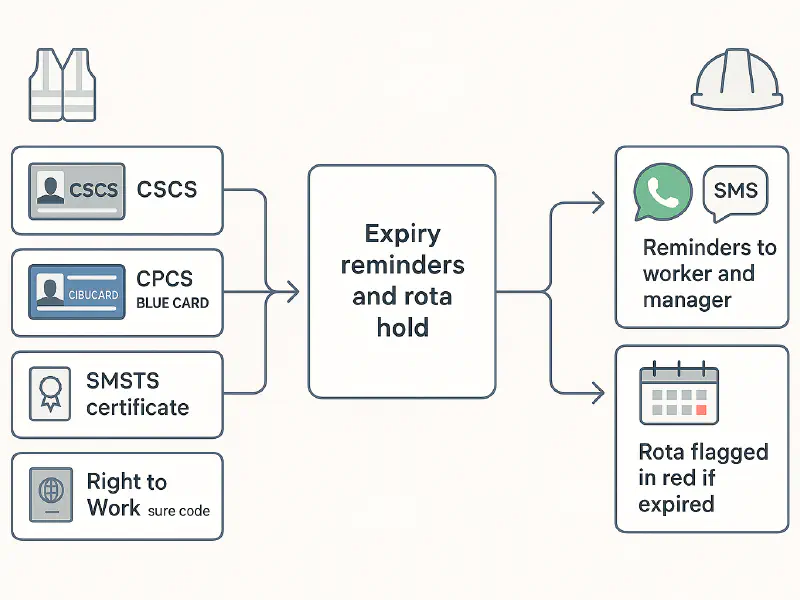
Process for automating the renewals of CSCS, CPCS, and SMSTS certifications to ensure compliance on construction sites.

How to set up a QR code attendance system for toolbox talks using Google Forms and Sheets, keeping compliance and quick record-keeping.

Legal requirements and recommended practices for PAT testing in various settings, covering risk assessment and compliance for trades and landlords.

How to set up a QR code site induction and CSCS Smart Check process for quick, auditable site access without coding.
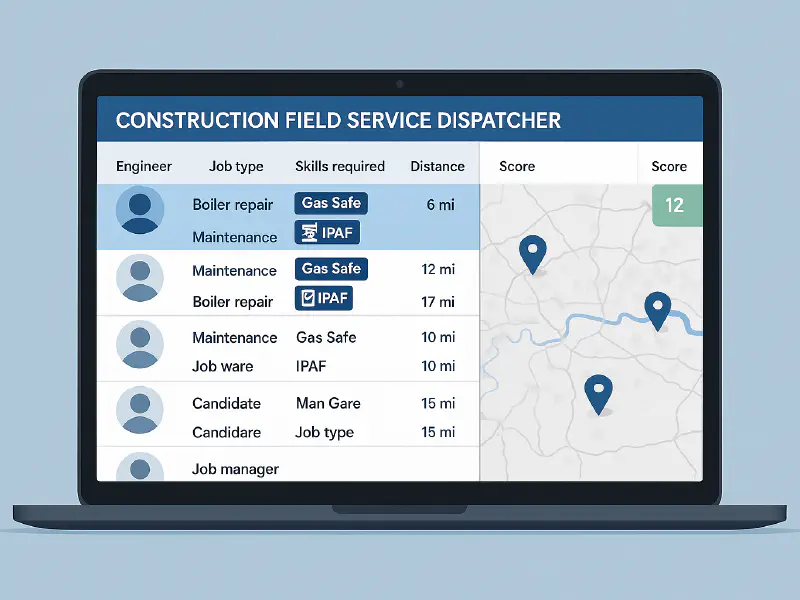
Skills-matching rota system for efficiently assigning engineers to jobs, improving first-time fix rates and reducing operational stress.
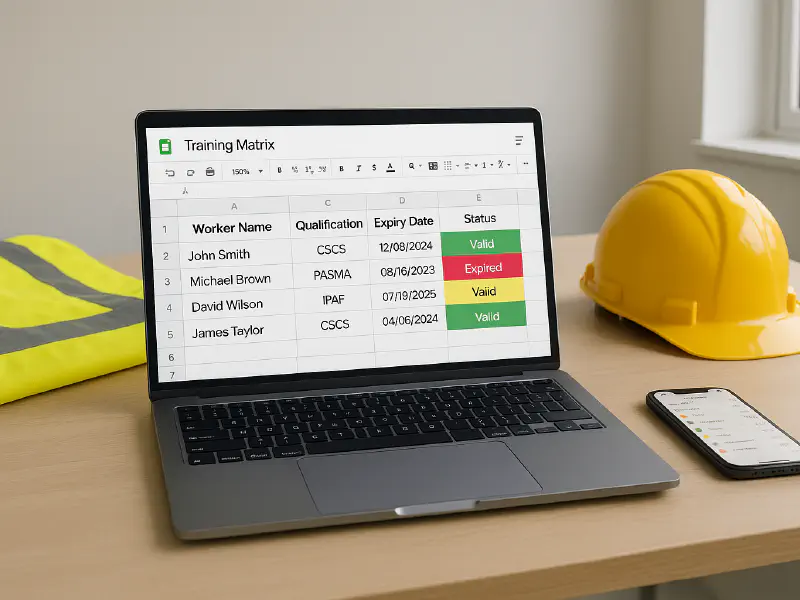
Free training matrix template for UK construction firms, featuring expiry reminders and automation options to manage employee training efficiently.
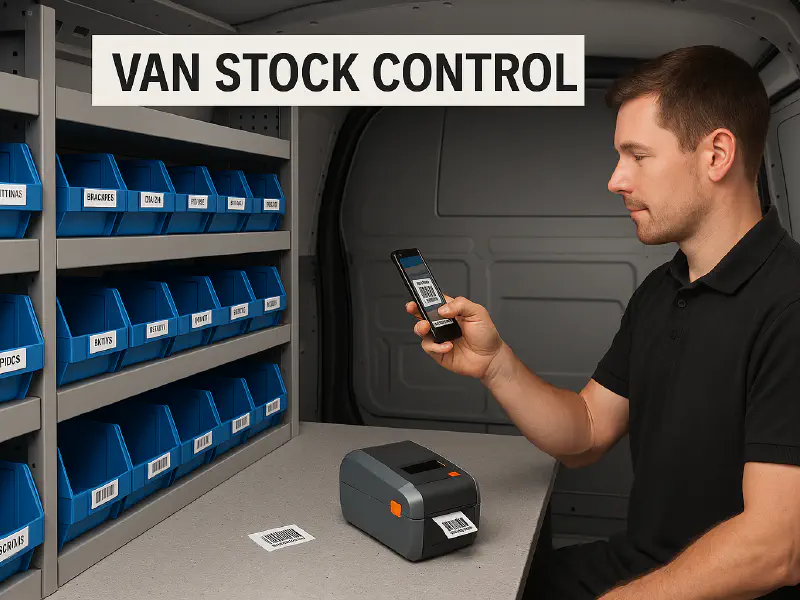
Simple 60-minute setup for van stock control using barcodes, improving speed for small to mid-sized service businesses.
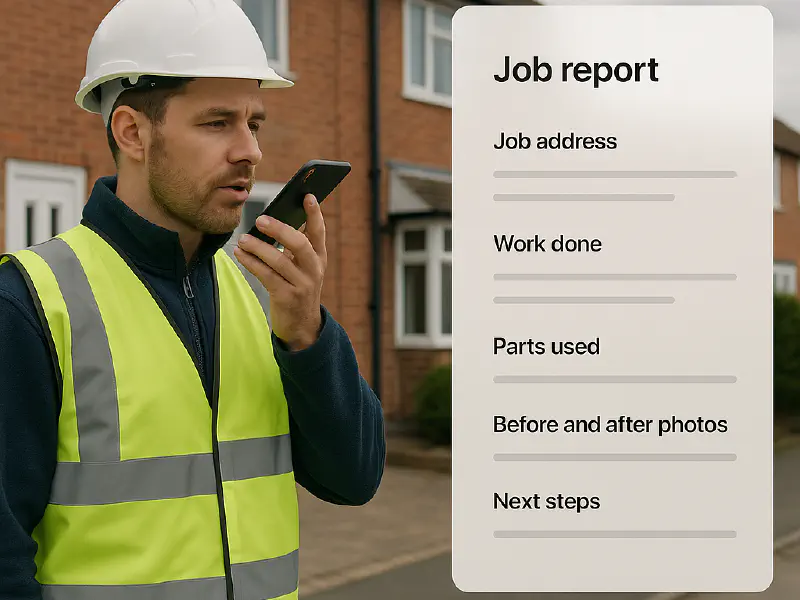
Tradespeople a process for creating job reports using voice notes, transcription tools, and templates to improve speed and accuracy.

Snagging list template and guidelines for construction professionals in the UK to ensure quality checks before project completion.

This guide simplifies the Construction Phase Plan process for small builders and contractors, covering requirements, setup steps, and essential components for effective health and safety management.

Expectations of the HSE regarding toolbox talks in the UK, providing guidance on topics, frequency, and record-keeping for safety briefings.

UK construction professionals with essential guidance on creating effective RAMS, including a free template, key regulations, and common pitfalls to avoid.
Complete apprentice onboarding checklist covering pre-employment setup, day one induction, first month milestones, and legal requirements. Includes DBS checks, CSCS cards, CITB grants, EPA portfolios, and practical tips to avoid common mistakes.
How structured training, skills tracking, and microlearning can reduce repeat visits from industry-average 20-30% down to 12-15%, saving thousands in fuel and labour costs while boosting customer satisfaction.