
Quick Answer
A typical UK sole-trader tradesperson now pays £350 to £1,200 a year for the basics: public liability, tool cover and a commercial van policy. A small limited company with two or three employees usually lands between £1,500 and £4,000 once employers' liability and professional indemnity are stacked on. Costs are rising 10 to 15 percent a year, driven by tool theft claims, van crime and broader inflation. The cheapest premium is rarely the right one. The right one matches the cover you actually need, on the limits clients ask for, with an insurer that pays out without a fight. This guide walks through every policy, what it should cost, and the levers that actually bring the bill down without leaving you exposed.
Table of Contents
- Why trades insurance keeps getting more expensive
- The five policies every UK trade needs to understand
- Public liability: what it costs and how to set the limit
- Employers' liability: the one that is legally required
- Professional indemnity: who really needs it
- Tools cover: where most people get caught short
- Commercial van insurance: the biggest single line item
- Twelve practical ways to cut your premium without cutting cover
- Where AI comparison is actually useful, and where it is not
- What tradespeople are saying
- Recommended videos
- Frequently asked questions
- My verdict
Why trades insurance keeps getting more expensive

I spent years running a heating and plumbing company. The renewal email used to be one of those background admin jobs. Open it, pay it, file it. That has changed. Trades insurance premiums have climbed roughly 10 to 15 percent a year since 2022, and the reasons are stacking on top of each other.
Tool theft is the biggest driver. Direct Line Group research published in April 2026 showed almost one in four tool thefts go unreported, and the actual market loss is estimated at £260 million a year across UK trades. Volkswagen Commercial Vehicles surveyed 1,000 UK van drivers and found the average value of stolen tools climbed to £2,433 in 2024, with more than one in four cases topping £3,500. Some specialists carry far more kit than that, and lose tens of thousands in a single incident. Insurers see the claims data and price accordingly.
Van crime has piled in on top. Vanarama reported a 27 percent year-on-year rise in van theft across the UK in 2025, with London, the West Midlands and Greater Manchester taking the heaviest hits. When insurers add a "high risk postcode" loading, your renewal climbs even if you have done absolutely nothing wrong. Commercial van premiums for self-employed trades now typically sit between £1,200 and £1,800 a year.
Then there is Insurance Premium Tax. IPT has sat at 12 percent on standard commercial policies since 2017. It is not coming off any time soon. HMRC pulled in £8.88 billion from IPT in 2024 and ministers have shown no appetite for cutting it. Every quote you compare already has that 12 percent baked in, and it is irrecoverable. VAT-registered businesses cannot reclaim it the way they would input VAT.
Add inflation in repair and reinstatement costs, a harder reinsurance market after recent storm losses, and the broader cost-of-living pressure on claims fraud, and you have the perfect setup for double-digit annual increases. The good news is that the levers to push back exist. The bad news is that most tradespeople never use them.
The five policies every UK trade needs to understand
Trades insurance is not a single product. It is a stack. Most policies on the market bundle the components together so you only ever see one premium and one renewal date, but underneath the badge it breaks down like this:
- Public liability. Pays out when your work injures a member of the public or damages their property. Most clients ask to see this before they sign anything.
- Employers' liability. Legally compulsory the moment you employ someone or take on certain types of subcontractor. Minimum £5 million cover. HSE will fine you £2,500 per day if you do not have it.
- Professional indemnity. Pays out when your advice or design causes a financial loss. Less common for traditional trades, more relevant every year for anyone selling design, surveying, or consultancy as part of the job.
- Tools and contents. Pays out when your kit is stolen, lost or damaged. Often capped at £10,000 or £15,000 across all hand and power tools, with strict overnight storage conditions.
- Commercial vehicle insurance. Sits separately from the package. Must be in the business name with "carriage of own goods" or "business use" cover to be valid for trades use.
Three optional bolt-ons are worth knowing about. Contract works insurance covers materials and partly completed work on site. Plant and machinery cover handles hired-in kit like scaffold towers, lifts, or compressors. Legal expenses cover pays the lawyer when a customer refuses to pay an invoice and you have to chase. Each adds 5 to 15 percent to the total, but each can save you the entire premium back in a single claim.
Public liability: what it costs and how to set the limit
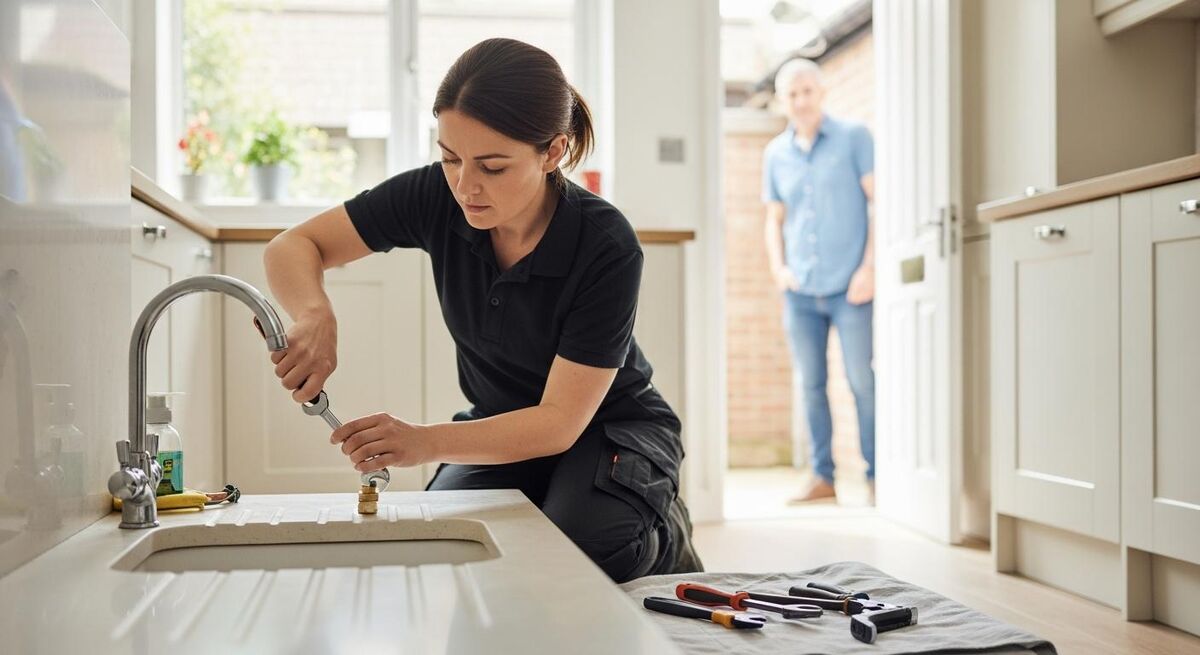
Public liability is the policy most tradespeople buy first, and the one most clients ask about. It pays out if your work causes injury to a third party or damages someone else's property. Knock a tile through a customer's ceiling, soak their carpet with a burst connector, drop a hot tool on a polished floor; this is the policy that handles it.
NimbleFins put the average UK small-business public liability premium at around £120 a year for £1 million of cover in their 2026 update. That figure is the median across all small businesses. Trades sit higher than the median because the risk profile is heavier. A domestic plumber doing low-risk maintenance work might land at £150 to £250 a year for £1 million. A roofer or a builder working at height can easily pay £400 to £700 for the same limit.
The limit you pick matters more than people realise. £1 million is the floor. Domestic-only work, in lower-value properties, with no employees, can probably get away with it. £2 million is the new default for most active traders. £5 million is the limit most commercial clients now demand on their contractor compliance checks, and is non-negotiable for almost all local authority and housing association work. £10 million is reserved for larger contractors and anyone working on commercial fit-outs, schools, or hospitals.
The price difference between £1 million and £2 million is usually 10 to 20 percent. The jump from £2 million to £5 million costs another 20 to 30 percent. Going from £5 million to £10 million is the most expensive step, often adding 40 percent or more, because the underwriting tightens sharply. Pick the lowest limit that satisfies every contract and client you are likely to take on this year. Going lower to save £40 is a false economy if it costs you a single commercial contract.
Employers' liability: the one that is legally required
This is the one that is not optional. The Employers' Liability (Compulsory Insurance) Act 1969 requires every UK business with at least one employee to hold employers' liability cover with a minimum limit of £5 million. The HSE enforces it and the penalty for non-compliance is up to £2,500 for every day you trade without it, plus a £1,000 fine for failing to display the certificate when asked.
A recent HSE prosecution at Liverpool Magistrates Court in April 2026 saw a company fined £1,000 and ordered to pay £2,000 in costs purely for an EL breach. No accident had happened. The fine was for not holding the cover. That is the kind of risk you do not want to live with.
There is one trap people miss. "Employee" under the Act is broader than the tax definition. If you bring in a labourer for a week and you control how, when and where they work, HMRC might treat them as self-employed for tax, but the HSE will treat them as an employee for EL purposes. Same goes for anyone working under your direction with your tools, on your sites. If in doubt, cover them.
Typical EL cost for a small trades business with one or two employees is £150 to £400 a year on a standalone basis, or £100 to £250 a year when added to a package policy. The cost scales with payroll, the trade, and the work environment. Roofing and demolition pay the most. Domestic finishing trades pay the least.
Professional indemnity: who really needs it

Professional indemnity is the policy that responds when your advice, your design, or your specification causes a financial loss for a customer. It is the missing piece in most traditional trades policies, and the line where the modern multi-skilled tradesperson trips up.
Survey data suggests around 15 percent of UK tradespeople carry no PI cover at all, and many of those should. If you do any of the following, you need it: advise on heating system design, specify materials for someone else to install, produce drawings or layouts, sign off on someone else's work, sell consultancy hours, or recommend a particular product solution to a client. Any of those activities could lead to a claim that public liability would not touch.
Simply Business currently quotes from £79 a year for £1 million of PI. Most trades-relevant policies sit in the £150 to £400 range once you add basic admin and legal cover. Architectural and engineering work pushes it higher. Energy assessors, retrofit coordinators and heat pump designers should expect to pay £400 to £800 a year for adequate cover. If you are involved in higher-risk residential blocks, the new Building Safety Act compliance costs add another layer of underwriting scrutiny on top.
Two things to watch. PI policies are written on a "claims made" basis, which means cover must be in force both when the work was done and when the claim is made. If you stop trading and cancel the policy, you lose protection on anything you did during the policy period. Run-off cover for six years after you finish trading is the standard fix, and it usually costs about 50 percent of the previous year's premium per year. Second, retroactive dates matter. Make sure the policy covers work you have already done, not just work done after the start date.
Tools cover: where most people get caught short
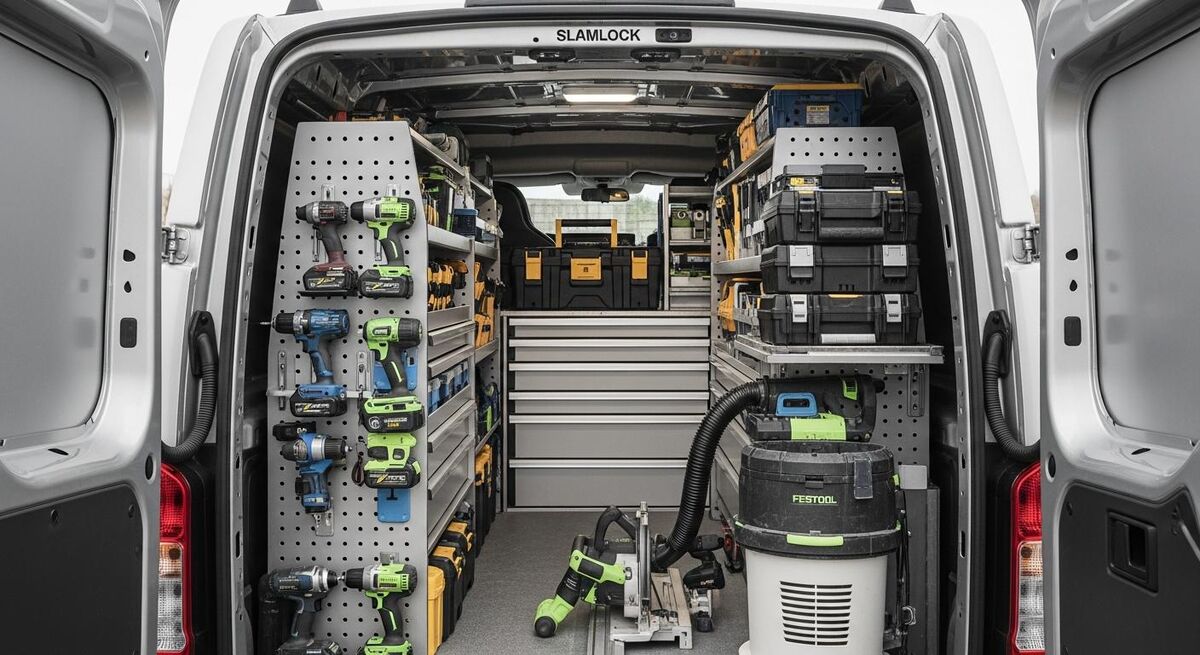
Tools cover is where most policies fail their owners. Standard inclusions on a trades package usually cap at £1,000 or £2,000 of cover. That is enough for a domestic handyman. It is not enough for a working carpenter with two Festool routers, a Domino, a track saw, a sander and a mitre saw setup, which on its own is comfortably over £6,000 of kit at retail price. Stack on cordless platforms, specialist gear and a SDS hammer drill or two, and £10,000 disappears very quickly.
The market reflects this. The Federation of Master Builders reported in their 2024 research that 83 percent of UK builders had been victims of tool theft at some point, with average losses of £2,500 per incident. More than three quarters had been hit in the last decade alone. One tool theft is now reported every 21 minutes across the UK, according to The Workers Union data published in January 2026.
There are three traps to avoid. The first is the in-vehicle overnight clause. Almost every policy says tools must be removed from the vehicle overnight or stored in a locked garage or shed at home. Leave the kit in the van outside your house from 9pm to 7am and a claim can be declined outright. The second is the proof-of-purchase requirement. You need receipts, photographs, or some demonstrable record of ownership. Sospan, a regular on the Screwfix Community Forum, summed up a tool theft claim discussion neatly: "Proof of purchase is key. The quicker you can provide proof the tools are yours, the quicker the claim can be dealt with."
The third trap is replacement basis. Many policies pay out on "market value" not "new for old", and the difference on a three-year-old Festool can be hundreds of pounds. Always specify new-for-old at the point of quote. Expect to pay roughly £150 to £350 a year for £10,000 of new-for-old cover, with sensible overnight conditions.
Commercial van insurance: the biggest single line item
Van insurance usually sits outside the trades package and lands as a separate annual bill. For self-employed trades, the typical comprehensive cost in 2026 is £1,200 to £1,800 a year, according to NimbleFins data. Drivers under 25 can pay £2,500 to £3,500. High-mileage trades that cover 20,000 miles or more, especially in courier postcodes, often see £2,000-plus even with clean licences.
Two things commonly invalidate trade van policies. The first is the use class. "Social, domestic and pleasure" cover does not extend to driving to and between trade jobs. You need at least "business use class one" or, more commonly, "carriage of own goods". The second is the goods question. A van fitted out with racking and tools is fine. The moment you carry materials, parts, or goods for hire and reward, the policy needs upgrading. Standard couriers pay more again.
Real-world quotes shared on the Screwfix Community Forum back this up. Forum member DUDE123 reported £159 a year through Direct Line for a limited company with one employee, £2,500 of tools in van, and £5 million public liability. Forum member jockster posted that AXA quoted around £235 for £1 million public liability and £12,500 of tools cover. Pricing varies dramatically by trade, region and security setup.
Anti-theft kit is now the single biggest van premium lever. Insurers reward Thatcham-rated alarms, deadlocks, slamlocks, and tracker devices. Logrock and Howden both publish data suggesting that approved security upgrades knock 15 to 25 percent off comprehensive premiums. The kit costs £400 to £800 to retrofit. It often pays for itself in the first renewal.
Twelve practical ways to cut your premium without cutting cover
Here is what actually works. Some of these save 5 percent. Some save 25. Stacked together, an average trades business can knock 20 to 40 percent off the renewal bill without dropping a single useful line of cover.
- Stop auto-renewing. Phone the existing insurer the week the renewal lands, ask for the new business team, and tell them honestly that you are about to shop around. Nine times out of ten, they will reduce the quote. Then go and shop around anyway. The market quote is your floor, not your ceiling.
- Use a broker for the complex policies. Public liability and tools cover are mostly commodity. Employers' liability with several trades on the payroll, professional indemnity, and contract works are not. A specialist trades broker knows which insurers price each risk well, and they are paid by commission, not by you.
- Pay annually. Monthly direct-debit financing typically costs 8 to 12 percent more than paying in one go. If cash flow allows it, the saving is the cheapest interest you will ever earn.
- Increase the voluntary excess. Doubling the excess from £250 to £500 usually saves 5 to 10 percent on the premium. Triple it on the van policy and you can save more. Just make sure the excess is one you can comfortably afford if you need to claim.
- Improve van security. A Thatcham Category 2 alarm, slamlocks, and a GPS tracker can shift premiums by hundreds of pounds. Some insurers will not quote at all on certain van models without slamlocks fitted.
- Lock the tools up properly. Off-van storage at home in a locked shed, garage or outbuilding satisfies almost every policy condition and shifts the underwriting view of risk. Some insurers offer a discount when you confirm tools never overnight in the vehicle.
- Match the limit to the contract, not the brochure. Most domestic-only sole traders are over-insured on public liability. £5 million is overkill if you never quote on commercial sites. Carrying the limit your largest realistic client actually demands, and no more, can save 30 percent.
- Bundle smart, not lazy. A combined trades package can be cheaper than the sum of the parts, but not always. Always price the components separately as well, then take the cheaper route.
- Get the trade description right. The trade you put on the form drives the price. "General builder" prices higher than "carpenter" prices higher than "kitchen fitter" prices higher than "decorator". List your actual core trade as your main occupation and add the others as percentages of turnover.
- Improve your claims record by managing the small ones yourself. A £400 claim might be cheaper to settle out of pocket than to claim and lose your no-claims discount on the next two renewals. Run the maths before you submit.
- Use the trade association route. NAPIT, Gas Safe, NICEIC and the Federation of Master Builders all have negotiated scheme rates. Members often save 10 to 25 percent compared to retail.
- Review limits and inventory every year. Underinsurance is a quiet killer. Inflation has pushed up replacement values across the board. Take an hour each renewal to update tool lists, contract works limits and turnover figures. Overinsurance wastes money. Underinsurance leaves a hole when you claim.
| Lever | Typical saving | Effort to implement |
|---|---|---|
| Stop auto-renewing, re-quote yearly | 10-30% | One hour a year |
| Pay annually instead of monthly (see cash flow forecasting) | 8-12% | Cash flow planning |
| Fit Thatcham alarm and slamlocks | 15-25% on van | £500-£800 upfront |
| Increase voluntary excess | 5-15% | Decision only |
| Trade association scheme rate | 10-25% | Membership fee |
| Match limit to actual contracts | 10-30% | Read your existing contracts |
Where AI comparison is actually useful, and where it is not
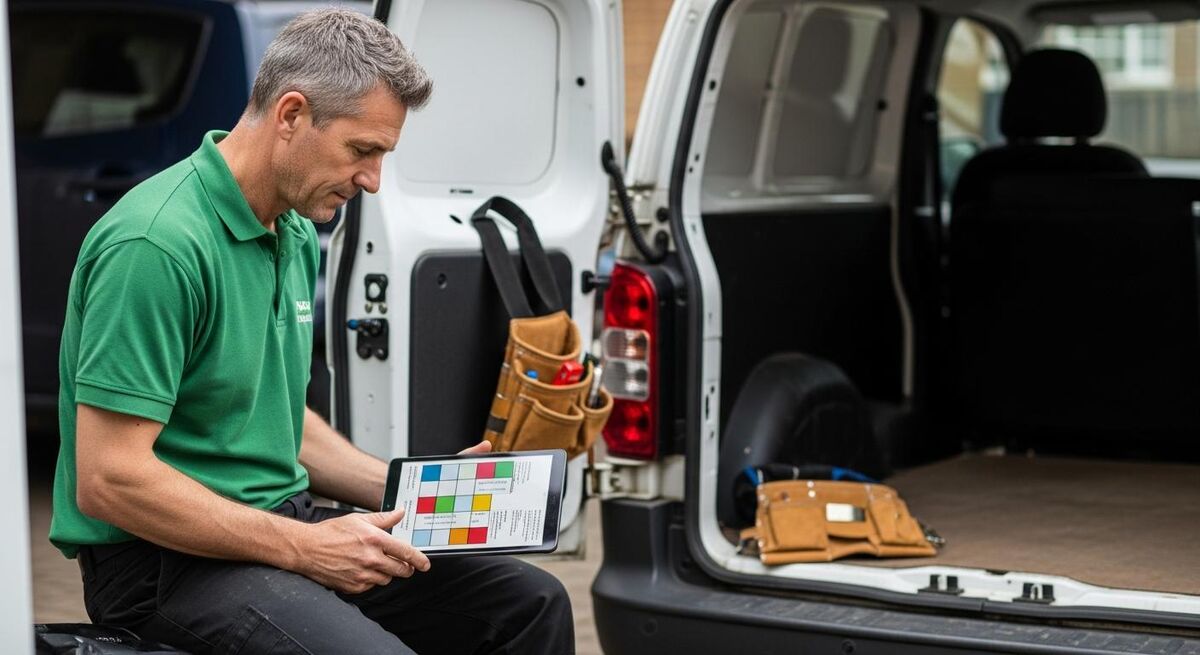
The insurance comparison sites have leaned heavily into AI in the last 18 months. Simply Business now uses a machine learning model to match quoted trades to insurer appetite, which is why the quote arrives in seven minutes rather than the hour it used to take. Brokers like Hiscox, NFU Mutual and AXA all run risk models that weight things like postcode tool theft data, recent van crime trends, and trade-specific claims experience to set the premium.
For the bulk of the comparison work, this is useful. AI-driven engines surface the cheapest acceptable quote far faster than the manual process used to. They also catch the obvious mispricing where a sole trader is over-quoted because of an outdated risk band. ChatGPT-5 and Claude 4.5 are both perfectly capable of reading two policy schedules and producing a side-by-side comparison, complete with the exclusions and excess differences. That is a job that used to take a broker an hour.
Where AI does not help is in the policy wording itself. Two policies that look identical at the price-comparison stage can differ wildly on tool overnight conditions, retroactive dates on PI, business use class on the van, and the definition of "employee" for EL. A human still has to read those clauses. The good news is that an AI can help you do that quickly. Drop both schedules into ChatGPT or Claude with the prompt "Compare these two UK trades insurance policies. Highlight every clause where they differ and tell me which is more restrictive." Then read the output with the policy documents open and challenge the bits that matter.
Three places where I would not let AI be the final voice. Anything HSE-related, where the legal language has to match the Act. Anything where the quoted premium feels too good, which usually means the underwriting form was misread. And anything where the client contract explicitly names a limit or condition; the AI will not read your client contracts unless you give it them. Use the speed gain, keep the judgement.
What tradespeople are saying
Recommended videos
Public Liability Insurance explained
Trade Direct Insurance

Do I Need Public Liability Insurance As A Sole Trader?
Trade Direct Insurance

Public Liability Insurance with Tradesman Saver
Tradesman Saver Insurance
Don't get sued: UK Insurance for Public and Employee Liability
YouTube tradesperson guide

Tradesmen Insurance: A Simple Guide
YouTube insurance explainer

Tradesman and Construction Insurance Explained
constructaquote.com
Frequently asked questions
No. Public liability is not legally compulsory. Employers' liability is. But almost every commercial client, local authority, contractor and lead-generation platform requires public liability before they let you on site. In practice, you cannot operate as a UK trade without it.
Probably yes if you ever advise on system design, sign off another tradesperson's work, or provide a written specification. The straight installation work itself is covered by public liability. The advice and design element is not. For heating engineers running boiler swap quotes, PI cover from a specialist trades insurer at around £150 to £400 a year is sensible.
If you are a genuine sole trader with no employees and only domestic work, £1 million public liability through an online provider can come in under £100 a year. That is the absolute floor. The moment you take on commercial work, employ anyone, or carry tools worth more than £1,000 in a van, that figure is hopelessly inadequate.
Three quick checks. Are your tools insured for their full retail replacement value on a new-for-old basis? Does your public liability limit match what every active client contract requires? Is your van policy in the right use class? If you cannot answer yes to all three, you are exposed.
It depends on the policy. Most insurers exclude tools left in vehicles overnight unless the vehicle is in a locked garage, a secured compound, or behind a closed and locked gate. A few specialist trades insurers allow up to two nights a week on a public driveway with a Thatcham alarm fitted. Always check the small print before parking up.
A solo sole trader with £1 million PL, basic tools cover and a commercial van policy is usually £600 to £1,200 a year all in. A small limited company with two or three employees, £2 million PL, employers' liability, PI, decent tools cover and one or two vans typically lands between £2,000 and £4,000 a year. Higher-risk trades, roofing in particular, push the upper end.
Often, yes. NAPIT, Gas Safe scheme partners, NICEIC, the Federation of Master Builders and the National Federation of Roofing Contractors all have negotiated insurance rates. The membership fee can often pay for itself in the insurance discount alone, especially for higher-risk trades. Always quote both routes before committing.
My verdict
I have watched friends in the trade lose two years of profit to a single uninsured claim. I have also watched people pour money into duplicated cover they never needed. Both mistakes cost the same in the end. The right approach is unglamorous. Read your contracts. Match your limits to what your clients actually demand. Move the tools off the van overnight. Fit the alarm. Reprice every renewal and never auto-renew without a phone call. Use AI to do the boring comparison work, but read the policy wording yourself. If you do those things, your insurance bill in 2026 should sit somewhere between £1,500 and £4,000 a year, and the cover behind it should actually pay out when it has to. That is the only goal that matters.
Ready to Transform Your Business?
Turn every engineer into your best engineer and solve recruitment bottlenecks
Join the TrainAR Waitlist