

Quick Answer
When an engineer hands in their notice, most trades business owners see the recruitment fee and think that is the damage done. It is not. Once you add up the lost productivity, the disruption to your customers, the overtime your remaining team absorbs, and the months it takes a replacement to get up to speed, you are looking at somewhere between £11,000 and £20,000 per departure. For a five-van operation, that is the difference between a profitable year and a stressful one. The good news? Most of the reasons people leave are fixable, and they rarely start with money.
Table of Contents
- The big picture: why this matters right now
- Where does £15,000 actually go?
- The hidden costs nobody talks about
- What really happens when an engineer walks out
- Why your best people are leaving
- The panic hire trap
- What retention actually looks like in practice
- Know your numbers: calculating your real turnover cost
- What the industry is saying
- Recommended videos
- Frequently asked questions
- My verdict
The big picture: why this matters right now
I have been coaching trades and construction business owners since 2010, and if there is one thing I hear more than anything else, it is this: "I just can't find good people." But here is what most owners are not tracking. The cost of losing the good people they already have.
The UK construction sector needs nearly 48,000 new recruits every single year just to keep pace with demand. Electrician vacancies outnumber bricklayer vacancies by 15 to 1. The average age of UK plumbers is now over 50. The apprenticeship pipeline is failing to keep up, which makes every experienced person you already have even more valuable. So when your experienced gas engineer or your reliable electrician decides to move on, you are not just losing a pair of hands. You are losing months of productivity, years of customer relationships, and thousands of pounds you will never see on a balance sheet.
This is a problem I see time and again with my clients. They invest everything into winning new customers but treat their team like a tap they can turn on and off. Your team are the face of your brand. They form the first impression, deliver the quality of work, and either leave your customer delighted or thoroughly disappointed. So losing even one good engineer is not a staffing hiccup. It is a business crisis hiding in plain sight.
Where does £15,000 actually go?
Most business owners I work with are genuinely shocked when we sit down and calculate the real cost of replacing an engineer. They think it is the recruitment fee plus maybe a week of lost time. The actual figure is far higher, and most of it is invisible.
Research from Oxford Economics puts the average cost of replacing a mid-range employee at £30,614. For trades businesses paying engineers between £28,000 and £42,000, the true replacement cost typically lands between £11,000 and £20,000, depending on how long the position stays vacant and how quickly the replacement gets up to speed. My figure of £15,000 sits in the middle, and in my experience coaching hundreds of trades businesses, it is conservative.
Here is where the money goes.
Direct costs you can see
Advertising the role on job boards runs between £200 and £1,500 depending on which platforms you use and how long the ad runs. If you use a recruitment agency, expect 15% to 20% of the starting salary, which for a £35,000 role means £5,250 to £7,000 in fees alone. Then add the time you spend reviewing CVs, conducting telephone interviews, running face-to-face interviews, and checking references. For most of my clients, that is 20 to 40 hours of the business owner's time over four to six weeks. At a modest £40 per hour opportunity cost, that is another £800 to £1,600.
Job board advertising: £200 to £1,500. Agency fees (if used): £5,250 to £7,000. Owner's time (20 to 40 hours at £40/hr): £800 to £1,600. DBS checks, references, admin: £100 to £300. PPE, tools, van signage for new starter: £500 to £2,000. Total direct costs: £1,800 to £12,400.
Indirect costs you cannot see
This is the part that catches people out. Oxford Economics found that of the £30,614 average replacement cost, direct costs accounted for just £5,433. The remaining £25,181 was lost productivity.
When your engineer leaves, the work does not stop. Your remaining team picks up the slack, which means overtime, which means fatigue, which means mistakes. Customer callbacks increase. Response times slip. That job you promised Mrs Henderson would be done by Thursday now stretches into the following week, and she tells her neighbour, and suddenly your Google rating drops from 4.8 to 4.5.
The replacement, even if they are technically competent, needs three to six months to learn your systems, your customer base, your suppliers, and the quirks of the patch you cover. During that ramp-up period, they are operating at 50% to 75% of the productivity of the person who left. That gap is real money walking out of your business every single week.
The hidden costs nobody talks about
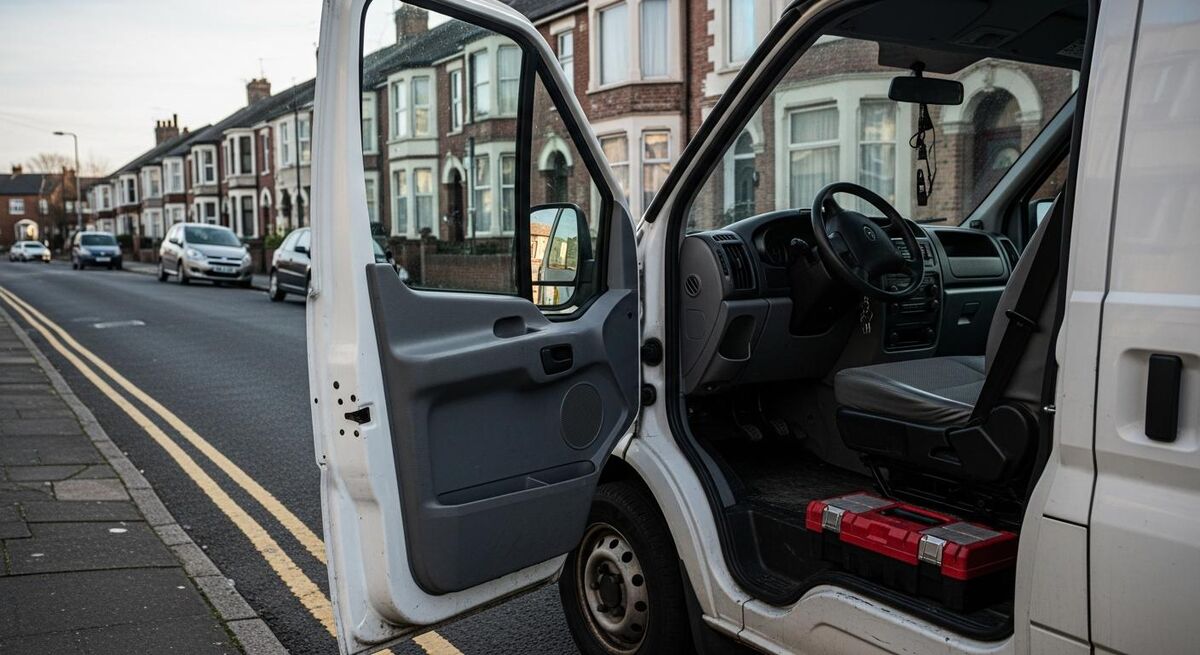
Beyond the numbers, there are costs that never appear in any spreadsheet but damage your business just the same.
Knowledge walks out the door
Your experienced engineer knows that the boilers in the Elmwood estate development all have a dodgy pressure relief valve. They know that Mr Patel on Acacia Road always requests a morning appointment because he works nights. They know that the merchant on the industrial estate does a better price on copper fittings than the one five minutes closer. None of this is written down. When they leave, it leaves with them.
The team feels it
When a good person leaves, the rest of your team notices. They ask themselves: should I be looking too? Research shows that one departure can trigger others, particularly if the person who left was well-liked or well-respected. Suddenly you are not replacing one engineer, you are firefighting to keep the rest of your team from following.
Customer confidence takes a hit
Your customers build relationships with the engineer who comes to their home. They trust them. They request them by name. When that person disappears and a stranger turns up instead, even if the work is just as good, the customer feels unsettled. Some will quietly move to a competitor. You will never know it happened.
A 2026 Stribe survey found that 34% of UK workers are considering leaving their current role. Over half cited lack of recognition as the reason. If one departure goes unaddressed, it sends a message to the rest of your team about how much you value people. That message travels fast.
What really happens when an engineer walks out
The damage does not arrive all at once. It builds over weeks and months. Here is what I typically see play out with my clients.
| Timeframe | What happens | Estimated cost |
|---|---|---|
| Week 1 | Engineer hands in notice. You scramble to reallocate their jobs for the next 2 to 4 weeks. Remaining team absorbs overtime. | £500 to £1,000 in overtime |
| Weeks 2 to 4 | Notice period. Departing engineer's motivation drops. Quality slips. You begin advertising the role. Time spent on recruitment instead of running the business. | £1,000 to £2,000 in lost productivity and advertising |
| Weeks 5 to 10 | Role is vacant. Jobs are delayed or subcontracted out at higher cost. Customer complaints rise. You or your remaining team work 50+ hour weeks. | £3,000 to £5,000 in lost revenue, subcontractor costs, customer churn |
| Weeks 11 to 14 | New starter begins. First week is induction, paperwork, shadowing. Minimal productive output. You spend hours showing them the ropes instead of running jobs. | £1,500 to £2,500 in onboarding and reduced output |
| Months 4 to 6 | New engineer is working but at 60% to 80% productivity. Makes mistakes the previous person would not have. Callbacks increase. Customer relationships need rebuilding. | £2,000 to £4,000 in reduced productivity and callbacks |
| Month 7 onwards | If you hired well, the new engineer is now close to full productivity. If you panic hired, you may be starting this cycle all over again. | £0 if successful, £15,000+ if starting over |
Add those up and you are looking at £8,000 to £14,500 in a best-case scenario, where you hire well the first time. And that does not include the agency fee if you used a recruiter. Factor that in and you are easily at £15,000 or more.
Why your best people are leaving

Here is something that might surprise you. In my experience coaching trades businesses, pay is rarely the primary reason good engineers leave. Yes, they want to be paid fairly. But when I dig into exit conversations with my clients, the real reasons are much more personal.
Lack of recognition
A survey by SD Worx found that 32% of UK employees say low recognition is the main reason they quit. For tradespeople, this is not about employee of the month certificates. It is about being thanked for staying late, being asked for their opinion on how to solve a problem, and being treated as a professional rather than a pair of hands.
No clear progression
Your best engineer does not want to be doing the same jobs in five years. They want to know there is a path, whether that is supervisory responsibility, specialist accreditations, or a route into estimating or project management. If you cannot show them that path, someone else will. Creating a structured training and development programme is one of the most effective ways to signal this path clearly.
Poor work-life balance
Research into why HVAC technicians leave found that those working more than 15% of their jobs on weekends were 24% more likely to quit. Those regularly driving over 50 minutes to jobs were 27% more likely to leave. Burnout is not dramatic. It is gradual, quiet, and by the time you notice it, they have already made up their mind. The data on mental health and burnout in UK trades makes for sobering reading if you want to understand the scale of this.
Feeling unheard
Technical professionals want to be consulted on the work they do. When management makes decisions about system design, scheduling, and materials without asking the people who actually do the installations, frustration builds. One anonymous technician quoted in ACHR News put it plainly: "Continued disorganisation, false promises of positive changes to come, lack of work-life balance, and lack of respect."
The grass looks greener
With around 28,000 construction vacancies in the UK and electrician roles outnumbering bricklayer vacancies 15 to 1, your best people know they have options. If they are not happy, they do not need to put up with it. A good engineer with a clean Gas Safe record or Part P certification can have three job offers inside a week.
I always recommend my clients conduct stay interviews, not just exit interviews. Sit down with your best people once or twice a year and ask: what is working for you? What could be better? What would make you consider leaving? You will be amazed at what you learn, and most of the fixes are surprisingly simple.
The panic hire trap

This is something I see with my clients time and again, and it is one of the most expensive mistakes a trades business can make. Understanding your true employee turnover costs is crucial to avoiding this trap.
What happens is this. Your engineer leaves. You are under pressure. Jobs are stacking up. Customers are calling. So you rush the process. The next-door neighbour's best friend has a son who is looking for work and has done something similar in the past, and hey presto, after meeting for a coffee and a chat, you hire him. I call this panic hiring, and it causes a whole load of problems.
The biggest mistakes I see are: only having one candidate to see, not thinking about what is important in terms of skills and attitude, recruiting people with the wrong attitude, not advertising the role so that you have several candidates to choose from, and rushing the selection process entirely. If you do find yourself needing to recruit, writing a proper job advert is the minimum starting point.
The result? You end up with someone less than ideal, go through months of stress trying to make it work, only to have to let them go and start the whole process all over again. Now instead of one £15,000 hit, you have taken two.
I always say to my clients: if in doubt, throw it out. It is better to stretch your existing team for another few weeks than to take on someone who is going to cause you problems. Every single time I have ignored this advice in my own career, it has come back to bite me.
A client of mine, Kris, who runs a painting and decorating business, came to me in 2014 with exactly this problem. His approach to recruitment was very much "suck it and see" and it was causing him enormous stress. He would recruit people first as employees, and if they were good, he would offer them a franchise. More often than not, they did not work out and caused him problems in the process. We implemented proper recruitment processes, and three years on he had five franchisees on his books and the business was thriving. He told me: "It actually worked so well I haven't done much of it recently, as I have kept the same team for a year. I have the right people."
What retention actually looks like in practice

Keeping good people is not about ping pong tables and Friday beers. It is about doing a handful of things consistently well. Here is what I have seen work best across the hundreds of trades businesses I have coached.
1. Get the first 90 days right
An employee's experience during the first 90 days directly relates to how likely they are to stay. Make sure branded clothing, tools, and system access are ready before their first day. Meet them for a coffee and discuss expectations, because most working relationships break down over a mismatch of expectations. Run weekly check-ins for the first month, and have a senior team member work alongside them in the first week. A structured onboarding process can cut time-to-productivity in half and improve retention significantly.
2. Think of your team as your internal customer
You put a lot of thought into how you come across to paying customers, your brand, your first impressions, what makes you different. Take the same approach with your team. Ask the people who have been with you a while what they enjoy about working for you. It is often different to what you think. Pay them on time, treat them with respect, make them feel part of something. These sound basic, but you would be surprised how many businesses get them wrong.
3. Build your employer brand
Does your website have a careers section? Does it have a section covering what it is like to work for you? Many trades businesses do not have any of this, so it is easy to stand out as an employer of choice by taking these simple steps. One of my podcast guests, Jordan Farley of Artisan Electrics, built 125,000 YouTube followers over three years. People now queue up to work for him. Obviously not everyone will do that, but the principle is the same: show people what it is like to work for your company, and the right people will come to you.
4. Invest in development
Research shows that companies investing in professional development see 25% higher productivity. For a trades business, this could mean funding additional accreditations, sending engineers on manufacturer training courses, or creating a path from engineer to team leader. It does not have to cost thousands. Sometimes it is as simple as asking your engineer what skill they would like to develop next and helping them get there. For a deeper look at what drives people to stay or go, our full guide to staff retention in trades covers the research in detail.
5. Have difficult conversations early
If something is not working, address it straight away. Do not let small issues fester into resignation triggers. And remember, feedback goes both ways. Ask your team what you could be doing better. The best ideas for improving your business often come from the people doing the work every day.
Know your numbers: calculating your real turnover cost

One of the first things I do with any new client is get them to know their numbers. It is one of the foundations of my BUILD system, and it applies to people just as much as it applies to finances.
Here is a simple formula you can use to estimate what staff turnover is actually costing your business.
Step 1: Count your departures
How many people left your business in the last 12 months? Include voluntary resignations, dismissals, and end-of-contract departures.
Step 2: Estimate cost per departure
For a mid-level trades role (£28,000 to £42,000 salary), a reasonable estimate is 40% to 60% of annual salary. That gives you a per-departure cost of £11,200 to £25,200.
Step 3: Multiply
If you lost three engineers last year at an average cost of £15,000 each, your total turnover cost was £45,000. For a business turning over £500,000, that is 9% of your revenue going straight out the door.
Step 4: Compare to prevention costs
A pay rise of £2,000 per engineer across a team of five costs £10,000. Annual training investment of £1,000 per person costs £5,000. A structured onboarding programme costs your time but little else. Total: £15,000 to keep five people versus £45,000 to replace three of them. The maths speaks for itself.
What the industry is saying
Recommended videos
Retaining Construction Employees
4 tips to keep your employees from quitting

Keep Your Best Workers: How to Reduce Employee Turnover in Construction
Practical retention strategies for contractors

Employee Turnover: The Real Cost of Losing an Employee
Breaking down the true financial impact

How to Retain Employees in Small Business
Retention strategies for SME owners

Employee Retention in Construction
Why construction workers leave and what to do about it

What You Need to Know: The Cost of Employee Turnover
Fiona Westwood on the cost of losing key employees

The Hidden Cost of a High Staff Turnover
Understanding the costs beyond recruitment fees

Construction Worker Retention Strategies
Best practices for construction hiring and retention
Frequently asked questions
It is a mid-range estimate. Oxford Economics puts the average at over £30,000 for employees earning £25,000 or more. For a trades business, the figure varies depending on whether you use agencies, how long the vacancy lasts, and whether the replacement works out first time. For most of my clients, £11,000 to £20,000 is the realistic range.
The costs are different but still significant. You avoid employment law obligations but lose control over quality, scheduling, and customer relationships. And if a good subcontractor leaves for a competitor, you still face the same productivity gap and customer disruption. The knowledge they carry walks out with them just the same.
Almost never. Pay needs to be fair, but in my experience the top reasons are feeling undervalued, lack of progression, poor communication, and burnout. I have had clients whose engineers turned down higher-paying offers because they loved the team and the culture. Fix those things first, then worry about benchmarking salaries.
Keep it informal. Take them for a coffee. Ask three questions: what do you enjoy most about working here? What frustrates you? What would make you consider leaving? Then actually act on what they tell you. The worst thing you can do is ask and then change nothing.
As long as it takes. Seriously. Typically good trades take longer to find than office and admin positions, but you also need to move faster when you find them. A good engineer with the right qualifications will get snapped up within days. My advice: always be building your pipeline, even when you are fully staffed. Keep details of strong candidates who did not make the cut last time.
Having a genuine conversation with your team about what matters to them. Not once. Regularly. Everything else flows from that. You cannot fix what you do not know is broken.
My verdict
The real cost of losing an engineer is not £15,000. It is the compounding damage to your team, your customers, and your reputation that builds over months. Most trades business owners invest heavily in winning customers but almost nothing in keeping the people who serve those customers. That has to change. The good news is that the fixes are not expensive. They are about respect, communication, development, and doing the basics consistently well. Think of your team as your internal customer. Give them the same attention you give your paying clients. If you do, you will spend far less time and money on recruitment, and far more time growing your business. Please do let me know how you get on.
Ready to Transform Your Business?
Turn every engineer into your best engineer and solve recruitment bottlenecks
Join the TrainAR Waitlist