
Quick Answer
UK tool theft has become an industry-wide problem. Police logged around 30,848 tool theft offences in 2025, up sixteen percent on the year before, with vans the primary target. A standalone tools cover policy runs from roughly £4.74 a month up to £15 to £25 a month for higher cover limits. Expect a £100 to £500 excess per claim. Read the overnight wording before you buy. That clause is where most rejected claims start.
Table of Contents
- Why tool cover matters in 2026
- What a tools policy actually covers
- What it costs and what drives the premium
- UK providers worth comparing
- New-for-old versus depreciated cover
- The overnight clause, and why it traps people
- Pairing cover with prevention
- How a claim actually plays out
- What tradespeople are saying
- Recommended videos
- Frequently asked questions
- My verdict
Why tool cover matters in 2026
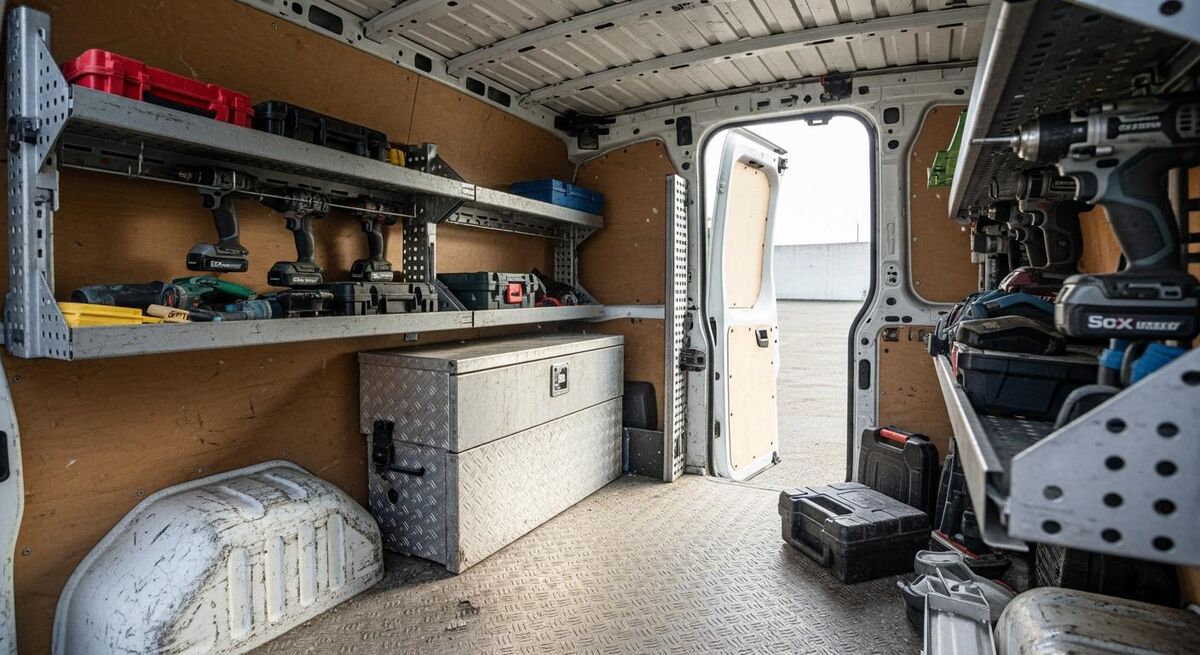
The numbers are not abstract. The Workers Union reported one tool theft every twenty-one minutes across the UK in 2024. Direct Line's 2026 research put the count higher still, with 30,848 offences valued at roughly £19 million. That is around eighty-five incidents a day, and almost a quarter of them never get reported to police at all. The average individual loss has settled at £1,565 in tools plus £623 in income lost while the job sits idle.
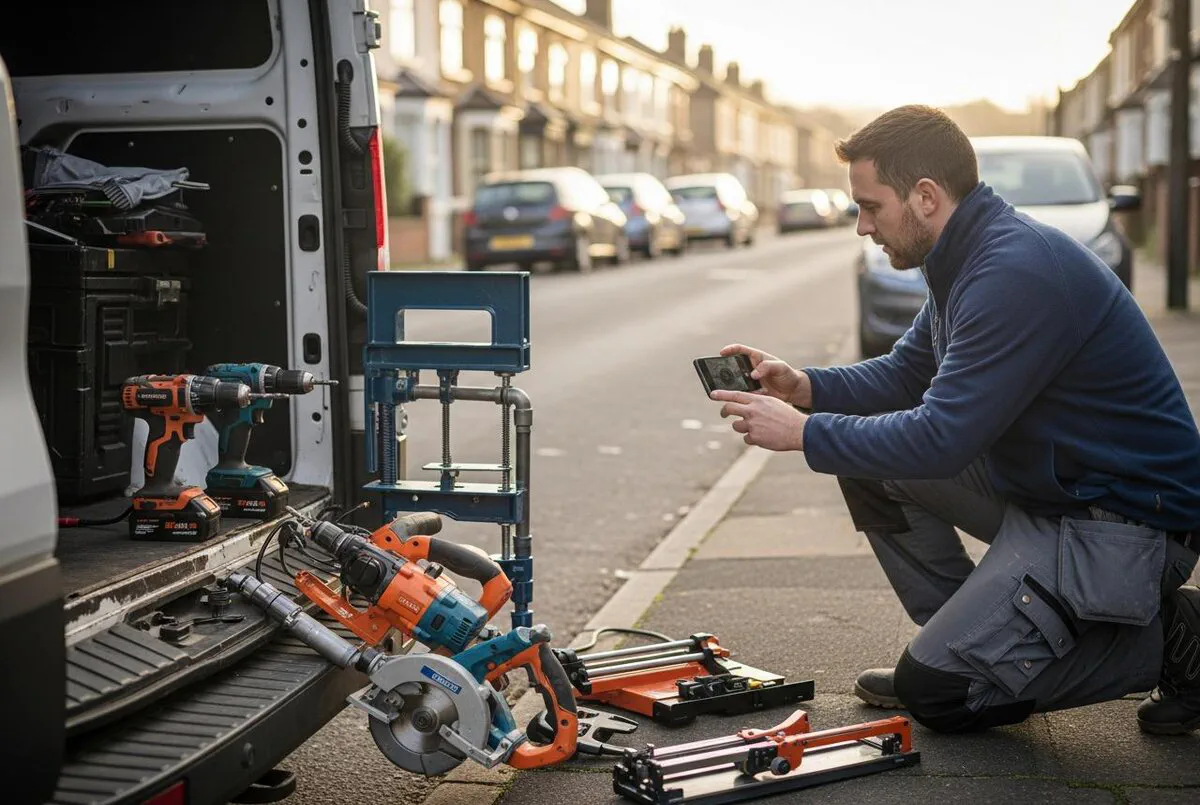
The point is simple. A two-thousand-pound dawn raid on a parked van is not a rare event for a one-van firm. It is a question of when. Even a single emergency replacement of a mid-range SDS drill, a tile saw, and a pipe-press tool can wipe out a month of profit before you have driven to the next job. That is what tool insurance is for.
I spent years on the tools myself before stepping into tech. The conversation I had with apprentices was always the same. Buy good tools, protect them like the assets they are, and treat insurance the same way you would treat compliance certification. It is not a nice-to-have. It is part of running the business properly, the same discipline that applies to business compliance and risk management.
What a tools policy actually covers
A standard UK tools and equipment policy pays out when your tools are lost, stolen, or damaged by forced entry. The cover usually applies in three places: on the job site, in transit, and in the vehicle. The exact wording varies. Read it.
Typical features you should expect on a decent policy:
- Total cover limit: normally £5,000 to £20,000, set by you to match the replacement value of your kit
- Per-item limit: commonly £1,000 to £2,500 per single tool, which catches expensive press tools and laser levels
- UK-wide cover: some policies extend to the EU if you work cross-border
- Hire costs: some pay the cost of hiring replacement kit while a claim settles, others do not
- Loss of earnings: a small handful include a daily limit, most do not
- Public liability bundle: tools cover usually attaches to public liability or tradesman insurance; a few insurers will not sell standalone tools cover
What is usually excluded: tools left visible on display, theft without signs of forced entry, wear and tear, mechanical breakdown, and tools left in the open overnight. If you read nothing else in the policy document, read the exclusions section.
What it costs and what drives the premium
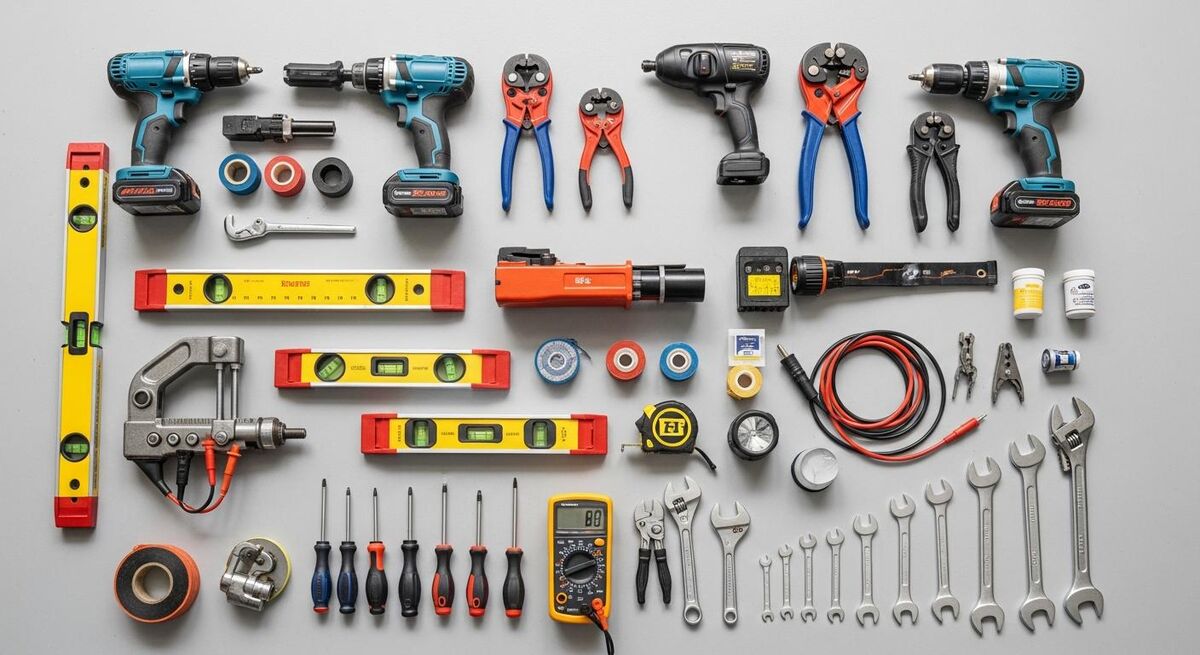
Tool insurance is cheaper than most tradespeople expect. As a working baseline:
- Entry level: from around £4.74 a month with Rhino Trade Insurance for tools-in-transit cover sold alongside public liability
- Mid range: roughly £10 to £15 a month for a balanced tools-and-equipment policy with £5,000 to £10,000 cover
- Higher cover: £15 to £25 a month for £15,000 to £20,000 cover, often the case for plumbers and HVAC engineers with expensive press tools
- Bundled tradesman policy: Kingsbridge includes £2,500 of tools cover as standard inside their all-in-one trade package, which is fine for a small kit, light for a busy multi-trade
As a rule of thumb, expect to pay between five and fifteen percent of your inventory's replacement value per year. So a £10,000 kit lands at roughly £500 to £1,500 a year depending on postcode, claims history, trade, and whether you want overnight cover included.
| Premium driver | Effect on cost | How to manage it |
|---|---|---|
| Total inventory value | Linear. Higher value, higher premium. | Right-size cover. Do not pay to insure tools you no longer own. |
| Postcode | Big effect. London, West Yorkshire, Bedfordshire run hottest. | You cannot change it, but disclose it accurately. False postcodes void cover. |
| Trade | Electricians and plumbers pay more than painters and decorators. | Make sure your trade is recorded correctly. The wrong category can leave you uninsured. |
| Overnight cover | 10 to 40 percent premium increase, sometimes more. | Buy it if you ever park the van at home overnight with tools inside. Skip it only if you unload every night. |
| Excess level | Lower excess, higher premium. | £250 excess is often the value sweet spot. Going to £500 trims premium but stings on small claims. |
| Claims history | Each claim in the last three years lifts the next renewal. | Self-insure small losses where it makes sense. Save the policy for the loss that matters. |
UK providers worth comparing
There is no single best insurer for every trade. There is a best insurer for your kit, your trade, and your van security setup. These are the names that come up most often when UK tradespeople are talking about tools cover.
 Rhino Trade Insurance
 Tradesman Saver
 Trade Direct Insurance
 Direct Line for Business
 Hiscox
 Kingsbridge
Rhino Trade Insurance
One of the cheapest entry points in the market. Tools cover starts at £4.74 a month or £56.86 annually, with a £100 excess. The catch is that it must be bundled with their public liability policy, and the policy depreciates tools by ten percent a year for up to five years. Solid choice for newer kit, less attractive once your tools are five-plus years old.
Tradesman Saver
Trustpilot rating around 4.7 from over a thousand reviews. Overnight cover is included on most of their policies, with a slightly higher excess if the theft happens from an unattended vehicle. Strong public liability bundle. Pricing is competitive but not the absolute cheapest.
Trade Direct Insurance
Part of the Kelliher Insurance Group, underwritten by Zurich. Personal tools cover up to £15,000. Zurich is one of the more financially stable underwriters in this space, which matters when you need a claim to actually pay.
Direct Line for Business
£10,000 per claim limit, £1,500 single-item limit, and an excess set at ten percent of each claim with a £100 minimum and £500 maximum. Overnight tools cover is a paid upgrade, not standard. Brand strength makes it a default for many tradespeople, but the per-item limit is light for plumbers and HVAC engineers carrying expensive press tools.
Hiscox
Premium-tier underwriter. Tool cover follows you in the UK, EU, or worldwide if you travel for work. Premiums are higher but the wording is generally tighter and the claims experience reported by tradespeople is among the better ones in the market. Worth a quote if you carry expensive specialist kit.
Kingsbridge
Offers £2,500 of tools and equipment cover as standard inside their tradesman policy, with in-van cover included. A clean option for a single-tradesperson outfit with a modest kit. If you carry £8,000-plus in tools, you will need to top up.
New-for-old versus depreciated cover
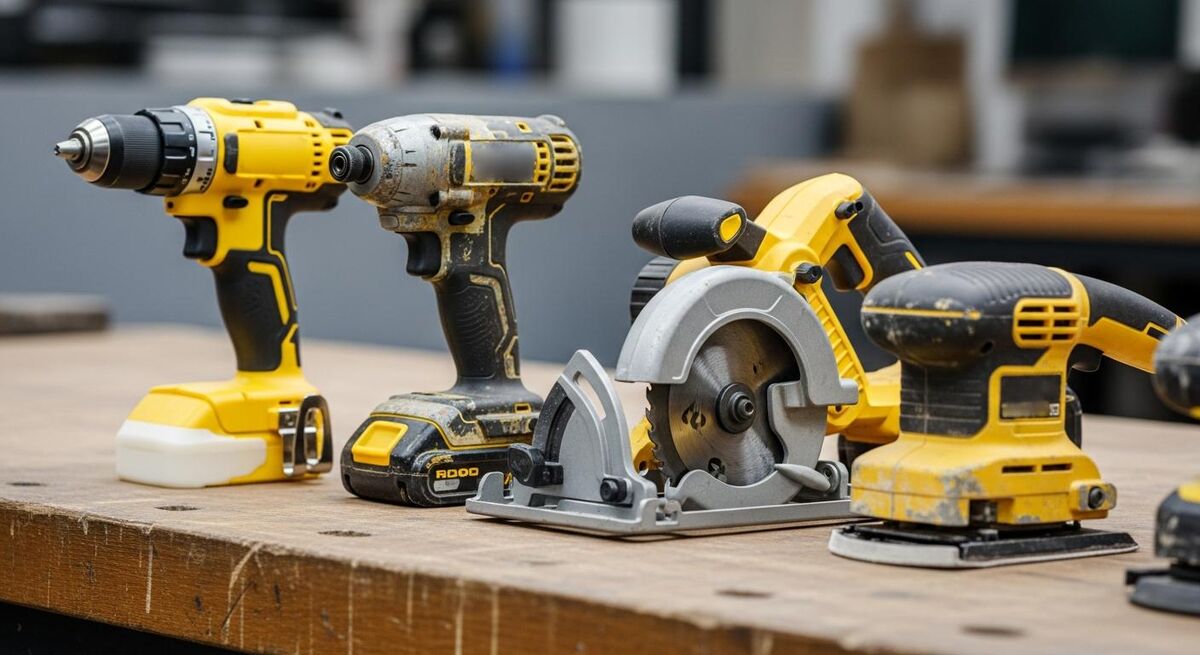
This is the single biggest swing in a tools insurance policy, and most tradespeople do not understand which one they have until they claim. Two settlement bases dominate the UK market.
New-for-old (replacement cost): The insurer pays whatever it costs to buy the same tool brand new today. If your three-year-old Milwaukee M18 fuel cordless drill is stolen, you get a new one. This is the cover you want. Hiscox, Tradesman Saver, and Trade Direct generally settle on this basis. Confirm in writing.
Depreciated (actual cash value): The insurer pays the current second-hand market value, with depreciation applied. A common formula is ten percent off the purchase price per year, capped at fifty percent of original value after five years. Rhino Trade Insurance settles this way. Cheaper premium, lower payout.
The overnight clause, and why it traps people
If a claim is going to fail, it usually fails on the overnight wording. The pattern repeats across forums every month. A tradesperson loses their tools to an overnight van break-in, calls the insurer, and finds out their policy excludes overnight cover unless the van was parked in a locked garage, a secure compound, or had specific alarms and immobilisers fitted. The claim is rejected. Proper van security measures are not just about preventing theft, they directly affect your insurance eligibility and premium.
There are typically three flavours of overnight wording in the UK market:
- No overnight cover at all: The cheapest tier. Tools are only covered between roughly 6am and 9pm, or while you are physically working. Leave them in the van overnight, you are uninsured.
- Overnight cover with strict conditions: Cover applies overnight but only if the van is locked, has an active alarm or immobiliser, and parked off-street or in a locked compound. Some policies require Thatcham Grade 1 alarms specifically.
- Unconditional overnight cover: Tools are covered overnight regardless of where the van is parked, subject to forced entry. Premiums are noticeably higher. This is the safest tier if you cannot empty the van every night.
Insurers do not bury this in the small print to be sneaky. They bury it because overnight van theft is the single most common claim type, and the loss ratio on unconditional cover is brutal. Read the wording, match it to how you actually park, and pay for the right tier.
Pairing cover with prevention
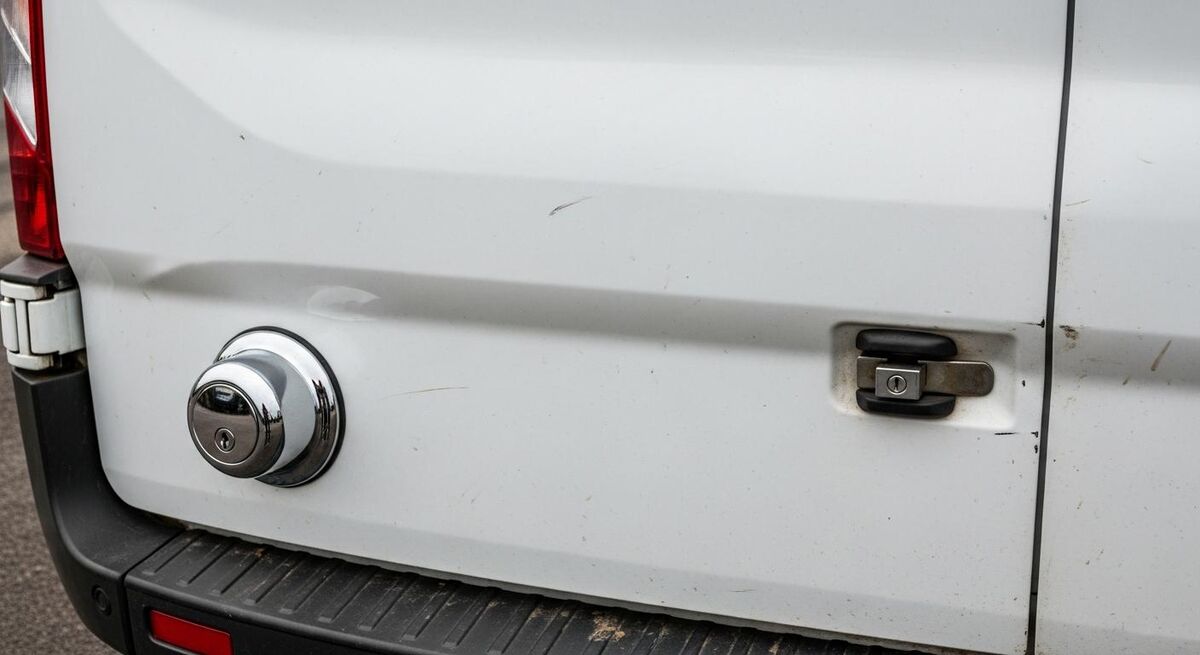
Insurance is the safety net. Prevention is the wall. The two work together. Some insurers will discount your premium if you fit additional security; almost all of them will reject your claim if you have not met their minimum security requirements.
The kit and habits that move the needle:
- Deadlocks or hook locks on every cargo door: Armaplate, Hykee, and Garrison are the names tradespeople buy. Budget £150 to £250 per lock fitted.
- Slamlocks for delivery and service vans: the door locks automatically when shut. Reduces human error on busy days.
- Internal van vault or lockable toolbox bolted through the floor: a second physical layer once a thief is inside the cargo area.
- Thatcham Grade 1 alarm and immobiliser: some policies require this for overnight cover.
- GPS tracking, AirTags, or Tile in expensive single tools: recovery is occasionally possible. More important, it deters resale.
- Photograph the inventory annually: photos with serial numbers, model numbers, and receipts saved in a single cloud folder.
- UV-mark every tool with your business name or postcode: a cheap deterrent, makes recovered tools traceable.
- Park door-to-door or against a wall: physically blocking the cargo doors stops nine out of ten opportunist attacks.
This is also the moment to mention 3D printing for replacement parts as a practical adjunct. Some tradespeople now print and fit van-lock reinforcement plates and custom bracket extensions, useful when you want a tighter fit than the off-the-shelf product gives you. Worth a look once your kit value crosses about £15,000.
How a claim actually plays out
If the worst happens, the order of events matters. A well-handled claim settles in two to four weeks. A badly handled one drags on for three months and may not pay out at all. The steps below are what every insurer wants to see.
- Ring the police immediately. Get a crime reference number on the spot. Most insurers will not progress a claim without one.
- Photograph everything before you tidy up. Damage to the van, the empty space where the toolbox was, any sign of forced entry. Time-stamped photos are gold.
- Call your insurer's claims line within twenty-four hours. Speed matters. Delays raise suspicion. Have your policy number ready.
- Send your inventory list, photos, and receipts. This is where a pre-prepared inventory pays for itself. If you have to recreate it from memory, you will undervalue your loss by a third.
- Request a written summary of what is covered and the offered settlement. Compare it line by line to your inventory. Push back on anything that looks undervalued, with evidence.
- If the claim is rejected, ask for the rejection in writing with policy references. Then go through the insurer's complaints process. If that fails, escalate to the Financial Ombudsman Service. The ombudsman finds in favour of the policyholder more often than insurers like to admit.
The single biggest reason claims fail in the UK trades market is missing or contradicted documentation. Receipts gone. Inventory never built. Wrong postcode declared at quote. Security spec not met. Sort those things now, when the van is still full. Not after the break-in.
| Documentation | Why it matters | When to prepare it |
|---|---|---|
| Receipts or trade-account history | Proves ownership and value | At time of purchase, saved to cloud |
| Photographs with serial numbers | Speeds up settlement, deters undervaluation | Annually, before renewal |
| Crime reference number | Required by almost every insurer | Within hours of discovering theft |
| Photos of forced entry | Confirms claim qualifies under policy wording | At the scene, before tidying |
| Witness statements or CCTV | Useful for contested claims | Within twenty-four hours |
| Maintenance records of security kit | Confirms alarms and locks were functional | Keep service receipts |
What tradespeople are saying
Recommended videos

Tool theft crime wave: Unmasking the boot sale thieves
ITV News

Tool Theft in the UK: How to Protect Your Livelihood
UK trades channel
How to Insure Tools and Mobile Equipment
Insurance education channel
Tradesman Insurance: Protect Your Business and Your Future
UK insurance broker channel

What Ford is doing for van safety: tool theft in the UK
UK trades content
Upgrade Your Van Security: Hook Locks, Deadlocks, Slamlocks
Van security specialists
Frequently asked questions
Yes, if your kit is worth more than three or four thousand pounds. Below that, the maths is finer and self-insuring becomes a reasonable option. The honest answer is that most sole traders find out the hard way. Buy the cover before you need it.
Usually no, or only with a token amount, often £500 or less. Van insurance covers the van. Tool insurance covers the tools. They are separate products and most working tradespeople need both.
Two to four weeks is normal when documentation is in order. Six to twelve weeks if the insurer asks for additional evidence or the loss is contested. Faster claims happen when the inventory, photos, and crime reference are sent in the first call.
Almost certainly not. Every UK tools policy requires reasonable care and most require evidence of forced entry. Unlocked, unattended, or visible-on-display tools are excluded. The insurer will reject the claim. Lock the van.
Tools cover insures hand tools, power tools, and small equipment that you own and carry between jobs. Contractors all-risks covers materials, plant, and works in progress on site. Bigger contractors need both. A one-van firm usually only needs tools cover.
Sometimes. Many tools policies include a small amount of hired-in tools cover, often £1,000 to £2,500. If you regularly hire larger plant, ask for a specific hired-in plant section. The hire company will hold you liable if their kit is stolen or damaged on your watch.
Replacement value, not what you paid five years ago. Walk through the kit, item by item, and write down what a like-for-like new tool would cost today on Toolstation, Screwfix, or the manufacturer's site. Add ten percent for the small items you forget. That is your cover limit.
Rarely as standard. Some higher-tier policies include a daily allowance for hire of replacement kit or a small earnings benefit. Read the wording. If income protection matters to you, a separate income protection policy is usually the right product.
My verdict
For a sole trader with a £5,000 to £10,000 kit, a standalone tools policy at ten to fifteen pounds a month with overnight cover and new-for-old wording is the right answer. For a multi-van firm, you need a proper tradesman package with public liability, tools, and contractors all-risks layered together, sourced through a broker who knows your trade. Pair the cover with a few hundred pounds of van security upgrades and a documented inventory, and you have a system that protects the business as the business grows. That is the point of insurance. It buys you the time and cash to keep working when something goes wrong. Treat it as part of the cost of running the operation, not as an optional extra.