

Quick Answer
Your best tradesperson almost never leaves for the reason you think. In the years I have spent coaching trades businesses through Evolve and Grow, I have watched good owners lose brilliant people and blame the pay packet every single time. The data says otherwise. Fewer than one in ten leavers cite money as the main reason. What actually drives skilled people out is feeling stuck, feeling invisible, being managed badly, and never getting an evening back. The good news, and it really is good news, is that the six things that make them stay cost you almost nothing. This is a practical guide to all six, with a checklist you can run this quarter. Know your numbers, look after your people, and you keep the ones who are hardest to replace.
Table of Contents
- The quiet countdown before someone quits
- What actually drives your best people out
- Fix 1: Show them the next rung
- Fix 2: Say thank you, and mean it
- Fix 3: Give them their evenings back
- Fix 4: Train whoever manages them
- Fix 5: Sort the small stuff
- Fix 6: Ask them, then actually listen
- Your keep-them-this-quarter checklist
- My verdict
- What the trades community says
- Expert takes worth watching
- Frequently asked questions
The quiet countdown before someone quits
Here is what nobody tells you about losing your best person. By the time they hand you their notice, the decision was made months ago. You are not hearing the start of a conversation. You are hearing the end of one, and you were not invited.
I have sat with owners the week after a key engineer walked, and the story is always the same. "I had no idea." "He seemed happy." "I would have matched the money if he had just asked." That last one breaks my heart a little, because it tells me the owner still thinks this was about money. It rarely is.

Let me put the cost in front of you first, because I am a numbers person and I want you to feel this. Losing one good engineer is not a £2,000 problem. Once you add recruitment fees, the weeks of lost output, the training time, the jobs you turn down because you are short-handed, and the drag on everyone else's morale, you are comfortably past fifteen grand. I broke the full figure down in the real cost of losing one engineer, and it shocks people every time.
So this is not a soft, fluffy topic. Retention is one of the highest-return investments you will ever make, and unlike a pay rise, most of it is free. With over 225,000 more tradespeople needed by 2027 and only 8% of the current workforce under 25, the people you already have are worth more than you realise. Losing them to a competitor down the road is the most expensive mistake in the business.
What actually drives your best people out
Before we get to the six fixes, you need to understand the enemy. When researchers ask tradespeople why they left a job, or why they are thinking about it, the same handful of reasons come up over and over. Money is on the list, but it is nowhere near the top.
Career progression is the number one driver, and it beats pay by close to two to one. People walk when they cannot see a future. Then comes feeling undervalued: doing brilliant work for years and never once being told it was noticed. After that, burnout from unpredictable hours and relentless workloads. And running through all of it, poor management. As Simon Sinek puts it, people do not quit jobs, they quit bosses. That line has stuck around for a reason.
The mental health picture makes it worse. IronmongeryDirect's research found that more than four in five UK tradespeople have experienced work-related mental health problems, and a separate study found nearly a third are actively considering leaving the industry altogether. That is not a wellbeing footnote. That is your retention risk, wearing a different hat. I dug into the full data in mental health and burnout in UK trades, and the numbers should stop any owner in their tracks.
The uncomfortable truth about pay rises
When you throw money at someone who is leaving for a non-money reason, you buy yourself a few months at best. The frustration that made them look elsewhere is still there. You have just made it more expensive to keep ignoring it. Fix the real problem and the money conversation gets a lot smaller.
Here is the pattern I want you to hold onto. Your best people are usually the most patient. They put up with the stuck feeling, the silence, the chaotic diary, for longer than anyone else, because they care. Which means by the time they crack, they are properly gone. The fixes below are about catching that long before crack point. Every one of them is low-cost. Most are free. None of them require you to become a different person.
Fix 1: Show them the next rung

People stay when they can see where they are going. It really is that simple, and that overlooked. In most trades businesses there is no map. There is you at the top, everyone else below, and a vague sense that if you work hard something good might happen one day. To an ambitious 24-year-old, "one day" sounds a lot like "never," and they will find a firm that gives them a proper answer.
You do not need an HR department to fix this. Sit down for an hour and write out the rungs. Apprentice. Improver. Qualified engineer. Lead engineer. Supervisor. Next to each one, put the skills they need to reach it and roughly what it pays. That is it. A one-page ladder that turns "one day" into "here is exactly how, and here is what it is worth."
The magic is not the document. It is the conversation it forces. When you can point at the ladder and say "you are here, and here is the one thing that gets you to the next rung," you have given someone a reason to stay that a rival's job advert cannot match. Progression is the thing your competitors forget to offer, which is exactly why it works.
Try this
Give every team member one named development goal for the next three months and one certification or skill you will fund. It signals, loudly, that you are building them a future here rather than just filling today's diary.
For those who might one day want to run the whole show, be honest about that path too. The jump from tools to management is brutal and lonely, and I wrote about it at length in coming off the tools. Showing a talented person that you will support that journey, not block it, is one of the strongest reasons they will ever have to stay.
Fix 2: Say thank you, and mean it
This is the cheapest lever in the entire business, and the one owners are worst at pulling. Recognition. Being told, out loud, that the work was good and that it mattered.
Around half of workers say recognition is a serious factor in whether they stay, and people who feel unrecognised are roughly three times more likely to quit within the year. Read that again. Three times. For the cost of a sentence.

The mistake most owners make is thinking recognition means a Christmas bonus or an awards night. Those are lovely, but they are not what moves the needle. What moves the needle is specific, timely, and personal. "The way you handled that awkward customer on Tuesday, the one who was ready for a fight, that was superb. You saved us that job." That costs nothing and it lands, because it proves you were paying attention.
I coach owners to build recognition into a habit rather than an event. A quick message on the group chat when someone nails a tricky install. A word at the end of the week. Naming who solved the problem when you tell the story later. The tradespeople in the big UK communities feel this gap keenly; ask them whether they get the respect they deserve and you will get an earful. Praise in private if that suits the person, praise in public if they like it, but praise. Your quietest, most reliable engineer is often the most starved of it, and the most likely to be tempted away by the first firm that notices them.
Watch for this
Recognition that only ever arrives attached to a "but, while I have you..." is not recognition. It is a criticism sandwich, and people see straight through it. Let the thank you stand entirely on its own sometimes. No agenda, no follow-on ask.
Fix 3: Give them their evenings back
Chaotic scheduling drives people out faster than the physical graft ever will. That surprises owners, but it is consistent across the research. It is not the hard day. Tradespeople sign up for hard days. It is the day that runs two hours over with no warning, the weekend that gets swallowed by an emergency, the family plans blown apart by a diary nobody controls.
Predictable hours are a retention superpower, and they are free. You are not paying anyone more. You are simply respecting the time you already agreed to. Build the week's rota and share it in advance. When you say a job finishes at four, protect that finish. If overtime truly has to happen, ask rather than assume, and make it the exception rather than the quiet expectation.

This matters most for your people with young families, and it is where smaller firms can quietly out-compete the big regional outfits. You can offer flexibility a large employer cannot. An early finish on a Friday for the school run. A start time that dodges the worst of the traffic. A day swapped without a fuss. These cost you almost nothing operationally and they buy enormous goodwill, because they prove you see the human, not just the pair of hands.
There is a hard-nosed business case here too. Burnout is expensive. A tired engineer makes mistakes, and mistakes on a job cost real money in callbacks and reputation. Reasonable, predictable workloads are not a soft benefit. They are quality control. Look after your people's energy and you protect your margins at the same time.
Fix 4: Train whoever manages them
People do not quit companies, they quit their immediate boss. On a trades job, that boss is usually a supervisor or lead who got the role because they were the best on the tools, not because they had ever been taught to manage a human being. And nobody ever showed them how.
Think about your own promotions. You took your sharpest engineer, handed them a team, and hoped for the best. It is the single most common unforced error in the trade. The skills that make someone brilliant at installing a system are not the skills that make them good at giving feedback, defusing tension, or spotting when a young lad is struggling. Those are learnable, but only if someone bothers to teach them.
The best-value spend in your business
A day of proper supervisor or management training runs somewhere around £500 to £1,500. Set that against £15,000 to replace one engineer who walked because of a badly handled fallout, and it is not close. This is the highest-return line item you are probably not spending on.
Start smaller than a course if you need to. Teach your leads two habits and you will change the culture. First, catch people doing things right, not just wrong. Second, when something goes sideways, ask "what happened and what do you need" before laying into anyone. That shift alone, from blame to curiosity, keeps more apprentices in the trade than any pay rise. Panic hiring to replace the people a bad manager drove off is a false economy, and I laid out why in why the panic hire costs you more than the vacancy.
Fix 5: Sort the small stuff
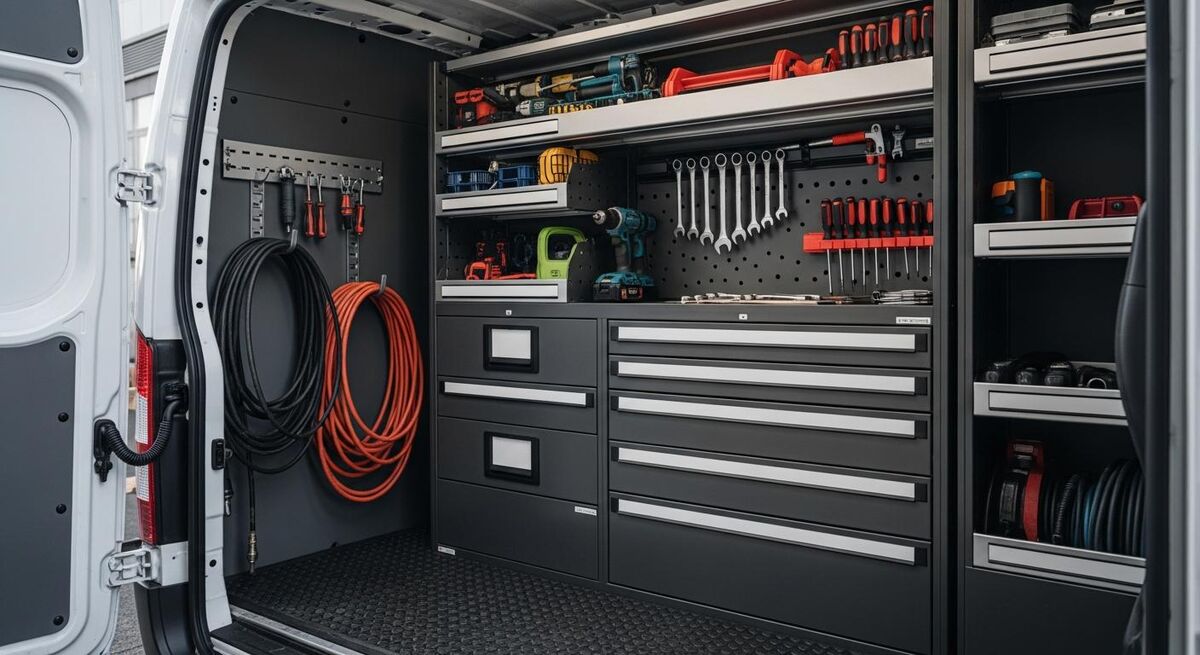
Retention lives in a hundred small signals, and your best people read every one of them. Is the kit reliable, or are they fighting a drill that should have been binned last year? Is the van sorted, or a health hazard? When they spend their own money on parts or fuel, are they paid back this week, or left chasing you for a month? Do they have decent PPE, a warm place to eat lunch, and a loo they can actually use?
None of this is glamorous and all of it matters. A tradesperson who is constantly battling broken tools and slow expenses feels, correctly, that they are an afterthought. On Hacker News, one worker summed up the resentment that builds when the basics are ignored, describing a skilled relative who gets "no health insurance, no paid vacation" despite doing high-value work. The specifics are American, but the feeling of being taken for granted is universal, and it is exactly what pushes good people to answer that recruiter's message.
Fixing the small stuff is often just tightening a process you already have. Set a weekly expenses run so nobody ever has to ask twice. Put a modest annual budget behind replacing worn tools before they fail. Do a five-minute van and kit check once a month. These are tiny operational habits, and together they tell your team a story money cannot: you are looked after here. That story is what a rival's job advert has to overcome, and usually cannot.
Try this
Ask each of your people one question this week: "What is the most annoying thing about your working day that I could actually fix?" Then fix one of the answers fast. Nothing builds trust quicker than a small irritation solved within days of them mentioning it.
Fix 6: Ask them, then actually listen
Most owners only find out why someone was unhappy at the exit interview, when it is far too late to matter. The whole point of a stay interview is to have that conversation while you can still do something with the answers.
It is not complicated. Once or twice a year, sit down with each of your key people for half an hour, away from the job, and ask a few honest questions. What do you enjoy most about working here? What frustrates you? If you were ever tempted to leave, what would the reason be? What is one thing I could change that would make this a better place to work? Then, and this is the only hard part, you shut up and you listen. You do not defend. You do not explain. You write it down and you act on what you can.

The stay interview does two jobs at once. It hands you an early warning system, because people will tell you what is bothering them long before it becomes a resignation, if you give them a safe moment to say it. And the act of asking is itself a form of recognition. It says: your view matters here, and I am invested enough to sit down and hear it. That message alone shifts how someone feels about the place.
Listening extends to wellbeing too. If someone is clearly struggling, do not look away and hope. You do not need to be a counsellor. You need to notice, ask how they are, and know where to point them. Free help exists across the trade, from Band of Builders to the various construction charities, and knowing the number to hand someone is a small thing that occasionally saves a life, never mind a job. Looking after your people's heads is not separate from retention. It is retention.
Do not do this
Never run a stay interview, hear a real problem, and then do nothing. That is worse than not asking at all. You have confirmed to your best person that speaking up changes nothing, and you have handed them the final reason they needed to start looking. If you ask, you must be prepared to act.
Your keep-them-this-quarter checklist
Reading about retention changes nothing. Doing it changes everything. So here is the whole guide turned into a checklist you can actually work through over the next three months. Pick a couple to start, do not try to boil the ocean, and build from there.
- Draw the ladder: Spend one hour writing a one-page progression path from apprentice to lead, with the skills and rough pay for each rung. Share it with the team.
- Set one growth goal per person: Give everyone a named development target and one skill or certification you will fund this quarter.
- Start thanking specifically: Once a week, recognise one person for one concrete thing they did well. Out loud or in writing. No "but" attached.
- Publish the rota in advance: Share next week's schedule before the weekend and protect agreed finish times unless you openly ask for overtime.
- Book management training for your leads: Get whoever supervises people onto a short course, or at minimum coach the two habits: catch people doing right, and ask before you blame.
- Run a weekly expenses payment: Set a fixed day so nobody ever chases you for their own money again.
- Fix one kit or van irritation: Ask what the most annoying daily frustration is, then solve one answer within the week.
- Run stay interviews with your top three: Half an hour each, honest questions, and you mostly listen. Act on at least one thing you hear.
- Know your wellbeing signposts: Have the phone number or website for a trades mental health charity ready before anyone needs it.
- Calculate your real turnover cost: Work out what losing one engineer actually costs your business. It will motivate every other item on this list.
Key takeaways
- Fewer than one in ten of your best people leave over pay. The real drivers are progression, recognition, predictable hours, and management.
- Losing one skilled engineer costs well over £15,000 once you count everything, which makes low-cost retention the highest-return spend in the business.
- Five of the six fixes are free. The one that costs money, management training, is the best-value line item you can buy.
- Stay interviews give you an early warning system. Use them before the notice lands, not after.
- Small firms can out-compete big employers on flexibility, recognition, and being seen. Use that advantage.
My verdict
Stop reaching for the chequebook every time someone gets restless. It treats a symptom and misses the disease. In all my years coaching trades businesses through Evolve and Grow, the owners who keep their best people are never the ones paying the most. They are the ones who built a path, said thank you, guarded people's evenings, trained their supervisors, sorted the boring basics, and had the courage to ask an honest question and listen to the answer.
None of that requires a big budget. It requires attention, and a decision that your people are worth it. Start with two items off the checklist this week. Run one stay interview with your best engineer, and draw your progression ladder. You will learn more in that half-hour conversation than a year of guessing, and you will already be ahead of most of your competition. Please do let me know how you get on.
Do this first: Book a stay interview with your single best person and draw the one-page progression ladder.
Invest here: Management training for your leads. Around £500 to £1,500, and it pays for itself within months.
Skip if: You still believe a pay rise alone fixes a culture problem. It will not, and it is the most expensive way to learn that.
Read next: The full staff retention data for the workforce numbers behind every point above.
What the trades community says
Expert takes worth watching

6 Ways To Get Your Best Employees To Stay
Enhance.training

It's Not a Labour Shortage. It's a Retention Crisis
Jersey Mike HVAC

How Toxic Are The Trades?
Blue Collar Edu

How To Improve Employee Retention And Motivation
Christopher Littlefield

How Leaders Reward
Born Inspirational (Simon Sinek)

Employee Retention Strategies That Work
ServiceTitan
Frequently asked questions
Money is often the easiest thing to say, not the real thing. It is a tidy reason that avoids an awkward conversation about feeling stuck or unappreciated. Match the money by all means, but if you do not also fix the underlying frustration, you will be having the same chat in six months, for more money. Ask what a rise would actually change for him. The answer tells you the real issue.
Yes, and often better. You cannot always beat them on pay, but you can beat them on everything that actually keeps people: flexibility, recognition, being properly seen, and a boss who knows their name and their kids' names. Big employers struggle to offer that. Lean into it. It is your advantage, not your handicap.
It is a friendly, honest half-hour with someone you want to keep, held while they are still happy rather than after they hand in notice. Ask what they enjoy, what frustrates them, and what would make them think about leaving. Then listen without defending yourself and act on what you can. Do it once or twice a year with your key people.
Less than you fear. Five of the six fixes in this guide cost nothing but attention. The one real spend is management training, at roughly £500 to £1,500 a head. Set that against the £15,000-plus it costs to replace one engineer and the maths makes itself. Retention is cheap. Turnover is the expensive option.
Do not look away and hope it passes, because it will not. Have a quiet, non-judgemental word, ask how they genuinely are, and look hard at their workload and hours first. You do not have to be a counsellor. Notice, ask, and know where to point them for proper support. Charities like Band of Builders offer free help across the trade.
Watch for the quiet withdrawal. The person who used to offer ideas going silent in meetings. Less banter, more clock-watching, a sudden run of appointments needing early finishes. By the time these show up the countdown is already running, which is exactly why regular stay interviews matter. Ask before the signs appear, not after.